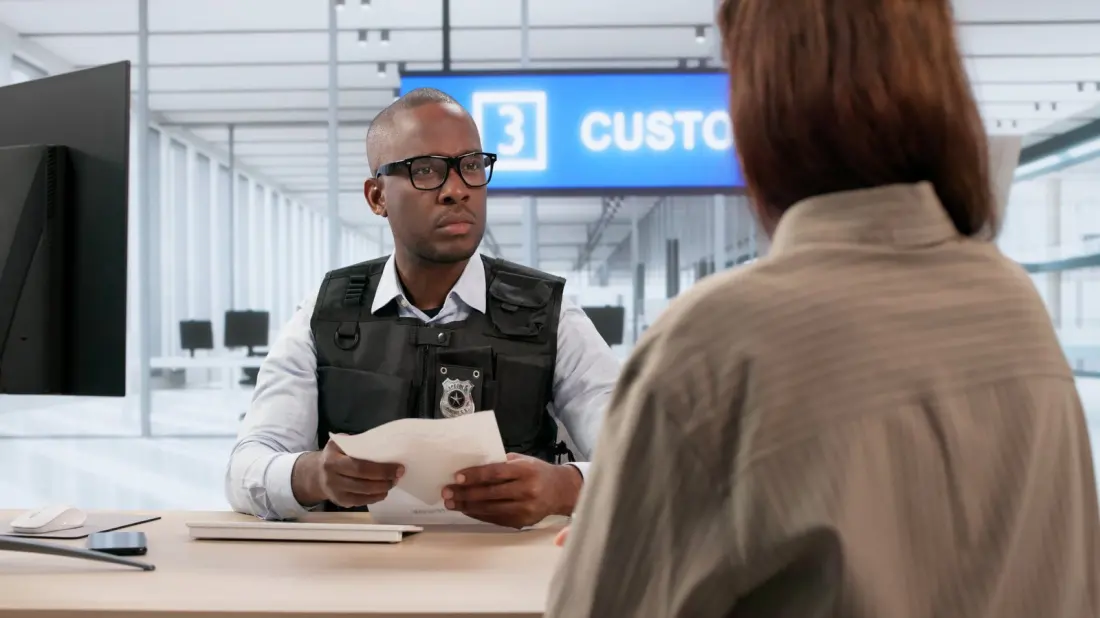
A bottle of the Green Fairy is a classic souvenir from a trip to Switzerland, France or the Czech Republic — but it's also one of the most frequently seized items at US customs. Absinthe is legal to import again, yet only under strict conditions that catch plenty of travellers out.
The spirit's troubled history explains the fuss. Made from fennel, anise and wormwood, absinthe earned a wild reputation among 19th-century European writers and artists, who credited it with hallucinations and creative visions. By the early 1900s it was being blamed for psychosis, brain damage and worse — van Gogh's decline is often partly laid at its door. Switzerland banned production in 1908, the US followed in 1912, and the American ban only ended in 2007.
The real culprit, modern research suggests, wasn't wormwood at all. The blamed compound is thujone, found naturally in the plant, but today's scientists argue old toxicity studies were flawed and that dodgy additives and plain alcoholism drove the drink's dark legend. The ban, naturally, only made it more glamorous — smugglers ran bottles into the US for decades, and bootleggers tweaked recipes to hide the telltale green colour.
If you want to bring a bottle home, here's what CBP actually requires. The absinthe must contain fewer than 10 parts per million of thujone. The word "absinthe" can't be the brand name or appear alone on the label, and any artwork can't suggest hallucinogenic or mind-altering effects — bottles that break those rules are subject to seizure. In practice, that means buying a properly certified bottle rather than a rustic local distillation from a market stall.
Fans who've tasted both sides of the thujone line generally say compliant bottles taste just as good, provided you pick a quality producer. And the lesson stretches beyond absinthe: food and alcohol are among the most commonly confiscated souvenirs at North American borders, and even things like Hawaiian beach sand can get taken off you. Rules also shift quietly — the TSA updated its marijuana policy in April 2026 after reclassifications — so it pays to check current guidance before you pack anything edible or drinkable in your suitcase.
For travellers who love bringing flavours home, the takeaway is simple: a little research beats a disappointing bin at the airport.