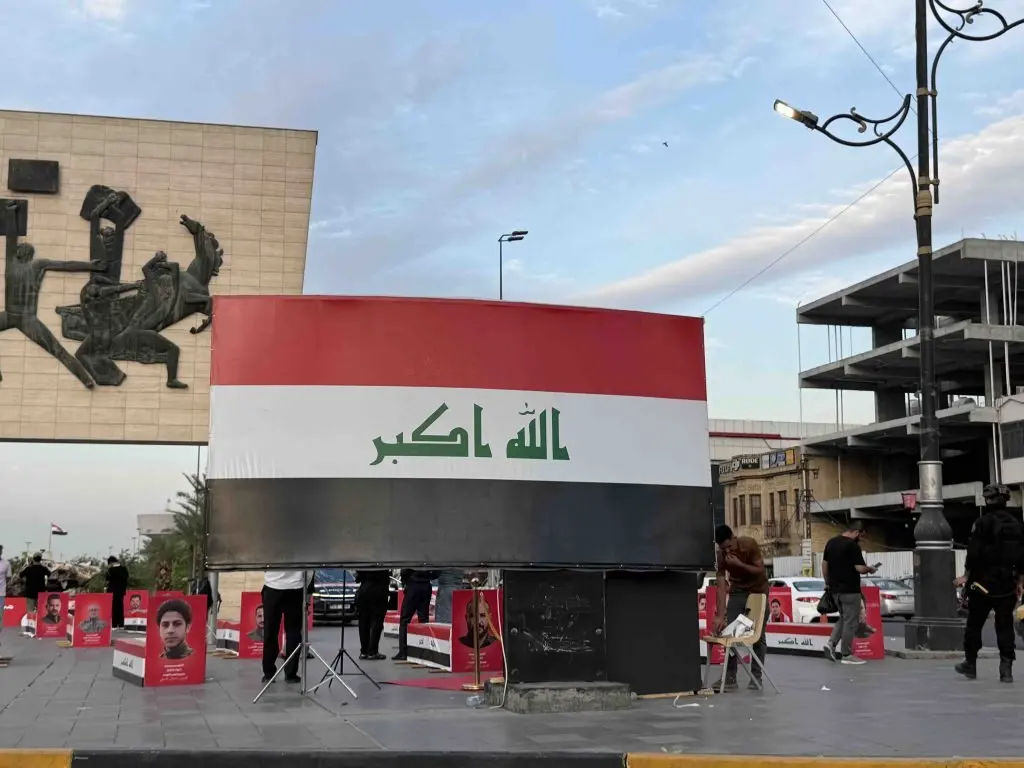
Iraq has marked a historic turning point. On 30 September 2026, the last American forces completed their phased withdrawal, formally ending Operation Inherent Resolve — the US-led military mission against ISIS that ran in Iraq since 2014. The date is being memorialised in the country as Sovereignty Day.
The pullout was agreed between Washington and Baghdad back in 2024, with troops leaving several bases in stages. The mission it concludes was, on its own terms, a success story: ISIS, which once controlled major cities including Mosul, has been reduced to tiny insurgent cells operating in remote rural areas. Iraqi Security Forces, the Kurdish Peshmerga and the Syrian Democratic Forces did much of the ground fighting as the coalition provided air power, training and intelligence. ISIS lost its last territorial hold at Baghouz in 2019, and by 2026 the threat had shrunk enough that Iraq no longer needed foreign troops for counter-terrorism.
Operation Inherent Resolve was only the latest chapter in a long American military entanglement with Iraq. Desert Storm in 1991 pushed Saddam Hussein's army out of Kuwait in a 100-hour ground offensive, but was followed by a decade of no-fly zones. The 2003 invasion toppled Saddam but dismantled state institutions, fuelled sectarian violence, displaced millions and created the conditions in which al-Qaeda in Iraq evolved into ISIS. Iranian influence in Baghdad has grown throughout, and analysts are now watching to see whether a power vacuum emerges once the empty bases are contested by other actors.
For travellers, the significance is more optimistic than the history suggests. A completed withdrawal and an official holiday celebrating it signal a country confident enough in its own stability to welcome visitors again. Young Pioneer Tours runs group trips that include spending Christmas in Baghdad, visiting Mosul — heavily damaged but slowly rebuilding after the ISIS years — hiking in the autonomous Kurdistan region, and attending Arbaeen, the world's largest pilgrimage. Kurdistan in particular has marketed itself as a safe, distinct experience within Iraq for years, and improved national stability could open up Baghdad, Babylon and the southern marshes to more mainstream tourism.
If you've ever been curious about Iraq, this may be the moment when it moves from fringe-adventure status to a genuinely viable destination — with the caveats that infrastructure is patchy, security situations can shift quickly, and independent travel remains difficult. Group tours with local operators are still the sensible entry point, and Sovereignty Day itself could become one of the most interesting dates on the Iraqi calendar to witness firsthand.