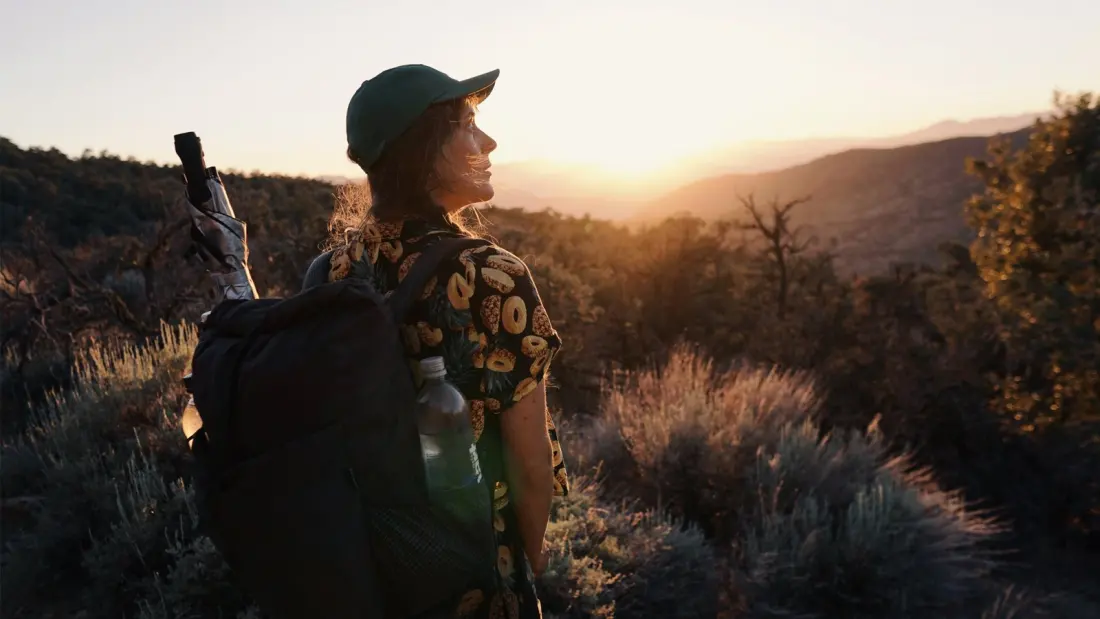
On long-distance trails like the Pacific Crest Trail, the coolest gear flex of recent years has been the pack with no hipbelt at all. Frameless, beltless packs date back to the GoLite Breeze in the late 1990s, moved through cottage favourites like the Mountain Laurel Designs Burn, and went properly mainstream around 2017 when Pa'lante Packs made the look viral. Free your hips, the thinking goes, and move faster with less. But a growing number of hikers are finding the trend has a physical price.
One PCT and Continental Divide Trail thru-hiker described cutting the belt off a Hyperlite Windrider, feeling weightless for years, then paying for it on desert water carries: first an ache in the left shoulder, then tingling down the arm, then numbness. A padded replacement belt helped, but the nerve irritation lingered. Around them, other beltless hikers were collecting similar nagging shoulder and back complaints.
Physical therapists Morgan Brosnihan of Blaze Physio and Matthew Shafter, himself a thru-hiker with a seven-pound base weight, explain why. Sustained strap pressure compresses muscles, ribs and nerves, and hikers with a stiff upper back or weaker supporting muscles hit that limit sooner. Sometimes the compression aggravates an anatomical issue you never knew you had. As Brosnihan puts it, hauling everything on your shoulders is working harder, not smarter.
The fix isn't instant, either. Shafter compares it to transitioning to minimalist running shoes: adaptation takes gradual exposure, sometimes months or years. His test is blunt — hike a full day beltless with your heaviest food and water load. Any pain, even in the last hour, means your shoulders aren't ready. Pack designer Chris Pickering of Nashville Pack adds a practical wrinkle: even the best vest-strap designs, like the brand's Cutaway, only stay comfortable below roughly 20 pounds, and real-world loads swing wildly between resupplies. He now considers a hipbelt an essential option on any modern ultralight pack, arguing that four or five extra ounces is worth it for almost any hiker in the long run.
The takeaway for anyone eyeing a lightweight setup this season: ultralight is still worth it — lighter loads are easier on your joints and let you cover more ground — but pick gear with options. A removable hipbelt lets you travel beltless on easy, short carries and clip it back on for the five-day food stretch or a dry desert section. Looking cool beats walking comfortably only until the tingling starts.