One of the world's rarest gemstones comes from a single hillside in the Dominican Republic, and 2026 has been a bumper year for it. Production of larimar — the pale blue semi-precious stone found nowhere else on Earth — topped 372,000 pounds in the first ten months of the year, running about 10% ahead of forecasts, according to Energy and Mines Minister Joel Santos.
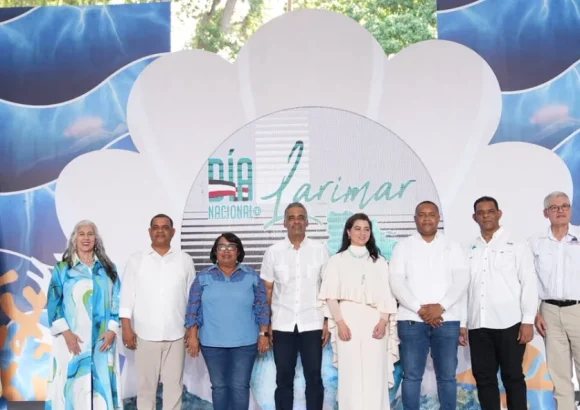
The figures were announced at National Larimar Day celebrations on November 22 in Bahoruco, a community in La Ciénaga, Barahona province, where the stone is mined. Around 500 people gathered for craft fairs, jewellery exhibitions and awards honouring the miners, carvers, designers and traders who make a living from it. Officials credited better technical support for miners and improved access and safety at the mine for the production jump.
The industry matters well beyond the mine. Roughly 1,000 families in Barahona depend directly on larimar, with another 2,500 benefiting indirectly across the country. The 'Larimar Barahona' designation of origin is now protected in 29 countries, and a Regulatory Council has been set up to guard authenticity. From 2027, a digital platform will let buyers trace certified pieces back to the source — useful if you're shopping for jewellery and want to avoid fakes sold as the real thing.
For travellers, larimar is a genuinely local souvenir. Its name was coined in 1974 by Dominican craftsman Miguel Méndez, blending his daughter Larissa's name with 'mar', the Spanish word for sea, in homage to the stone's Caribbean-water blues. It was declared the national stone by law in 2011, and National Larimar Day became official under 2018 legislation. The Dominican Larimar Museum in Santo Domingo is a good place to see the best of it, while Barahona itself — a quiet southwestern province far from the Punta Cana resort strips — offers rugged coastal scenery, the famous Playa San Rafael, and the chance to buy straight from workshops and cooperatives near the source.
If you're heading to the Dominican Republic and tired of mass-produced trinkets, a piece of certified Larimar Barahona is about as rooted in one place as a souvenir can get. Just check for the designation-of-origin certification, especially as the traceability system rolls out next year.