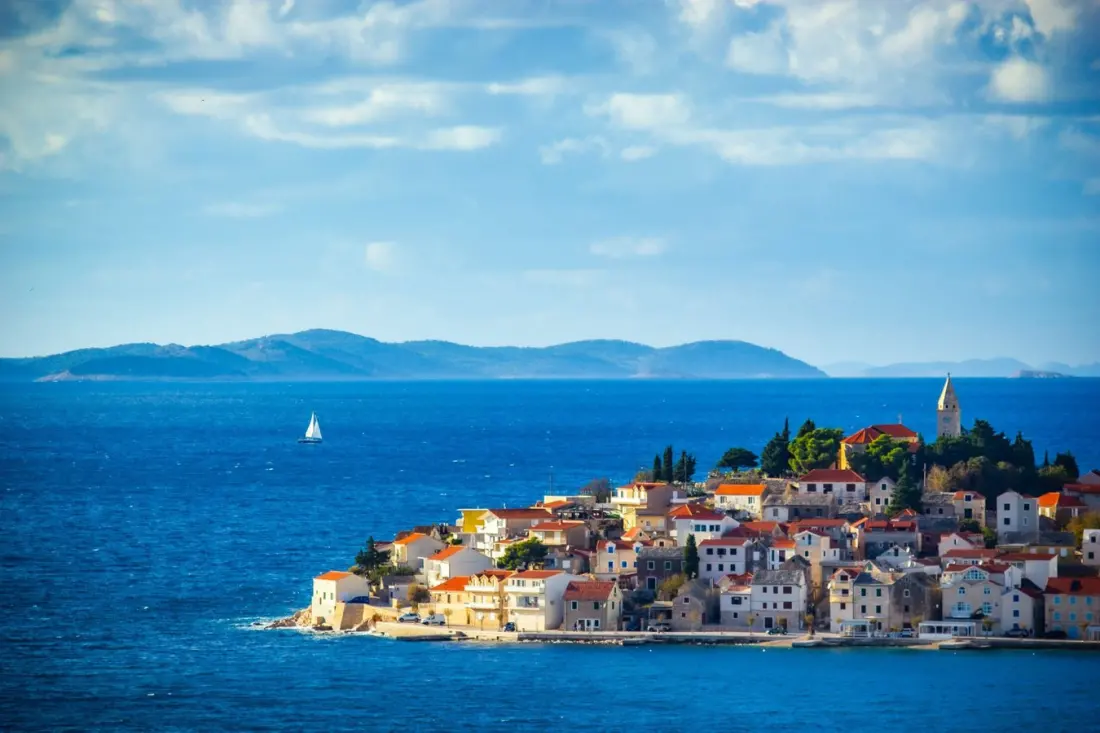
Croatia has wrapped up another strong tourist season, and the big story isn't record numbers — it's how people are booking. Damir Krešić, director of the Institute for Tourism, told HTV that while 2026 wasn't a big step up from last year, the result is solid given tricky geopolitical and economic conditions. The trend he flagged as most striking: last-minute reservations are no longer the exception. They're becoming the rule.
For travellers, that's genuinely useful news. If you're the type who decides on a whim, the Adriatic is increasingly set up for you. Prices rose more gently than in 2025, and Krešić noted tourists are spending more carefully — which tends to push providers toward late deals rather than early-bird premiums.
Weather is changing the calendar too. Krešić says extreme July and August heat is nudging some visitors towards the shoulder months. Demand isn't abandoning the Mediterranean wholesale, but peak-season trips may lose appeal while May, June, September and October soak up the overflow. Combine that with Croatia's chronic seasonality — a problem shared by every Mediterranean country, he stressed — and the shoulder months look like the sweet spot: fewer crowds, milder temperatures, and a growing push from local operators to build attractions beyond sun and sea.
Croatia is also eyeing new markets to fill those off-peak weeks. Long-haul guests from overseas, Krešić suggested, often prefer visiting outside the crowded July-August crush anyway. And beyond families tied to school holidays, he sees potential in business travellers and pensioners — groups free to travel whenever the value is best.
There's a sobering note beneath the success. Krešić warned that tourism's benefits come with real costs — environmental, spatial and social. One rarely discussed example: in heavily touristic areas, young people are less inclined to pursue education, since renting out property can deliver a comfortable living without qualifications. His point is that Croatia should measure tourism's real value by subtracting these costs from the revenue, not just celebrating the headline numbers.
Why should a holidaymaker care? If you've been defaulting to August out of habit, Croatia in June or late September offers the same coastline with better weather for sightseeing and often better value. And if you book late, you're no longer gambling — you're following where the market has moved. Just keep an eye on demand for your exact dates, because the season is stretching but the peak weeks still fill fast.