Planning to drive in Mexico? One decision will shape almost everything about your trip: whether you take the libre, the free local road, or the autopista, the toll highway. It affects your time, your budget and what you actually see along the way.
The libres are usually older two-lane roads that thread through towns and villages. Expect patchy maintenance, soft or missing shoulders, unclear signage, potholes, the occasional cow in the road, and the infamous topes — speed bumps that will rattle your teeth if you don't slow down. But that's also the point of choosing them. Everyday Mexican life happens along these roads: roadside fondas and restaurants, craft sellers, old churches, tire shops. If you have time to spare, a libre can be the more memorable route.
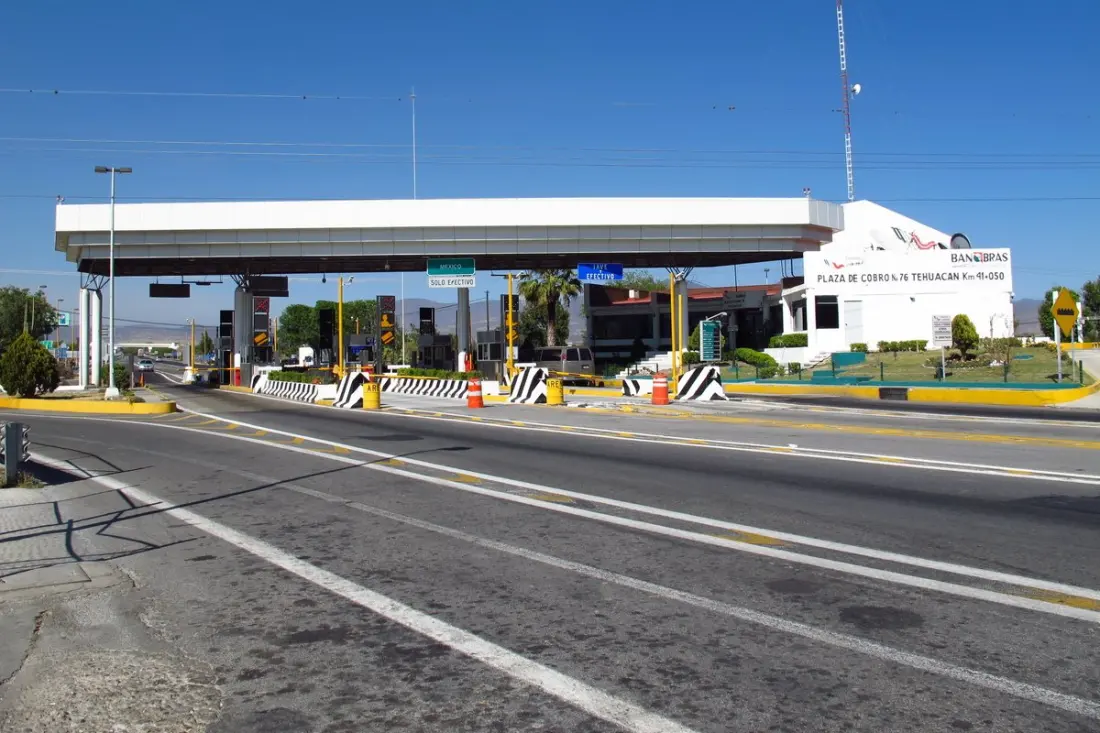
Autopistas are the opposite experience. Built and maintained by CAPUFE, the federal roads and bridges agency, they're straighter, well-signposted, have proper shoulders and limited access points, and most are three or four lanes. You'll find gas stations with restrooms, coffee and mini-marts at regular intervals. The catch is cost: tolls vary by route and distance, and long trips add up fast. Many casetas (toll booths) don't take cards and ATMs are scarce outside cities, so carry enough cash. Frequent drivers can get a Tag-IAVE electronic chip for the windscreen that deducts tolls from a prepaid account or linked credit card.
Keep your toll receipt for the whole journey — the CAPUFE emergency number is printed on the back. If you break down or spot a hazard, call it and give the nearest kilometre marker (small white posts like US mile markers). Help may come from the Angeles Verdes, a roving fleet of repair trucks on the toll roads. Mexican mechanics rarely use tow trucks; they come to you and fetch parts if needed, and you pay them in cash. Breakdown cover through your insurer can handle everything from a snapped fan belt to a major failure.
One thing you absolutely cannot skip: Mexican auto insurance. A US or Canadian policy won't provide valid cover in Mexico, and driving without adequate insurance can mean arrest and serious liability if there's an accident, especially with injuries or damage to public property. If you have a collision, call your insurer first. Several providers sell English-language Mexican policies covering third-party liability, legal assistance, and optional medical and roadside help.
Who is this for? Anyone renting a car or driving their own across Mexico. The short version: use autopistas to cover distance quickly and safely, especially after dark or with a full schedule, and pick libretes when the route itself is the attraction and you're driving in daylight with patience to spare. Budget for the tolls, carry cash, get proper insurance before you cross the border, and you'll find Mexico one of the more rewarding countries on the continent for a road trip.