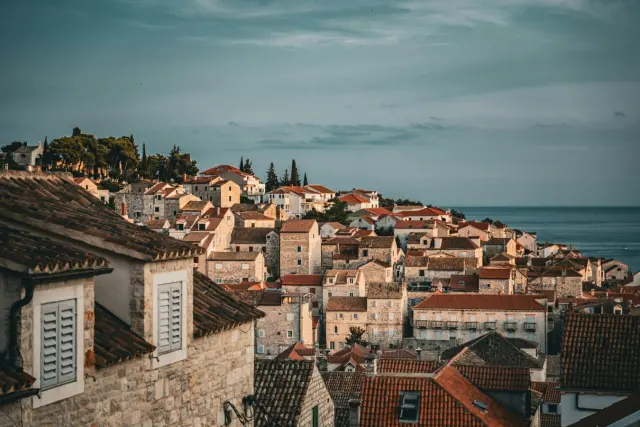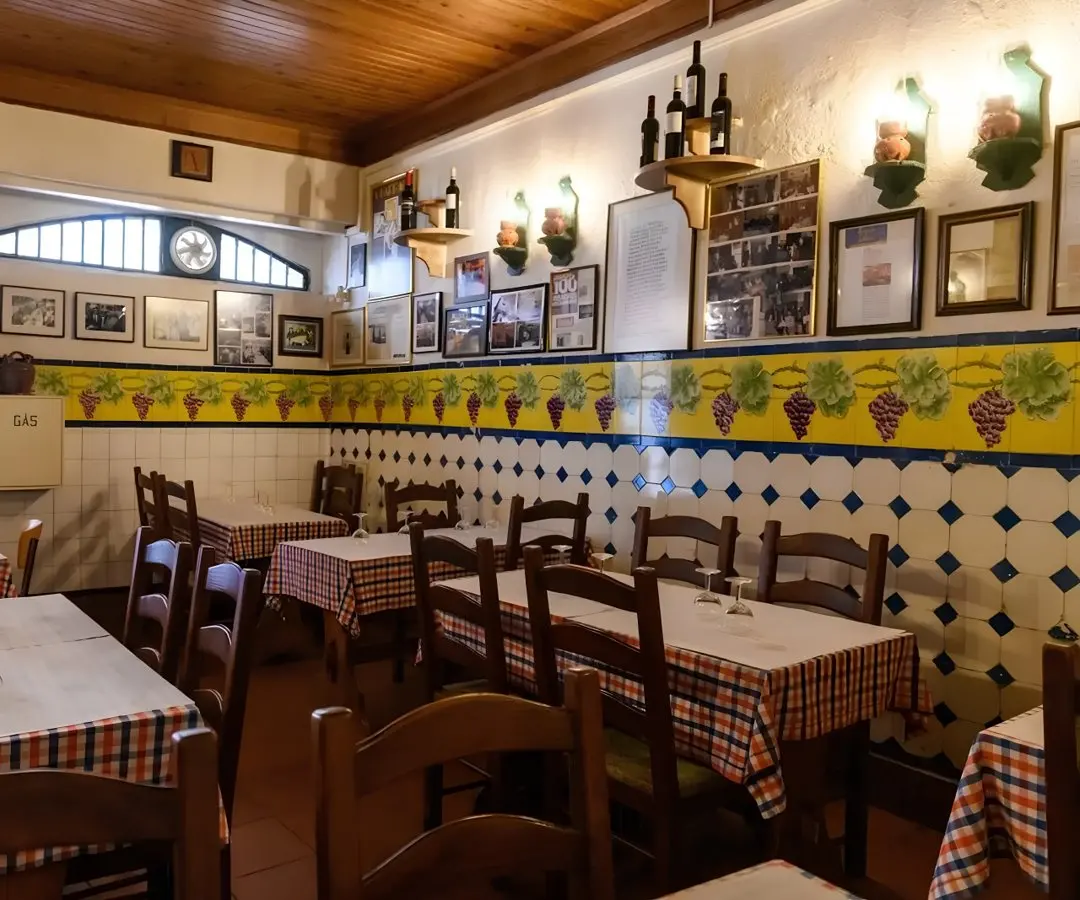
Walk through Alfama or Mouraria a decade ago and you'd stumble on a tasca on nearly every corner: a small, family-run dining room with paper tablecloths, chalkboard specials, and a pot of something slow-cooked on the stove. These humble neighbourhood eateries are where Lisbon has always eaten — bifanas, grilled sardines, cozido, a glass of vinho verde for pocket change. They're also increasingly endangered.
The causes are familiar to anyone who has watched a beloved city change fast. Over roughly the past twenty years, Lisbon remade itself as a magnet for tourism and foreign investment. Property prices climbed steeply, and in several central districts short-term rentals now outnumber actual homes. Rents that no family-run restaurant could absorb crept upward. Longstanding tascas closed their doors, and the spaces often reopened as burger joints, brunch spots, and international menus pitched at digital nomads and visitors who wanted something recognisable rather than something local.
The interesting twist is what's happening now. A new wave of young Portuguese restaurateurs has started deliberately rescuing these places rather than replacing them — taking over old tasca spaces and keeping their spirit intact. The idea isn't nostalgia for its own sake. It's a bet that what makes Lisbon's food culture distinctive is precisely the unpolished, everyday character of the tasca: cheap, generous, deeply local cooking served without ceremony. These chefs are updating the model just enough to survive — often sharper cooking, better ingredients, longer wine lists — while keeping the prices and the neighbourhood regulars that made the originals matter.
For travellers, this matters more than it might first appear. Lisbon's restaurant scene has been justly celebrated in recent years, but the risk of any food city going global is that the distinctive stuff gets sanded down into Instagram-friendly sameness. The tasca revival is a counterweight. Eating at one isn't just a cheaper dinner; it's a direct way to support the kind of business that mass tourism is quietly pricing out. The practical advice follows from that: skip the riverside strips lined with English-language menus, head uphill into the working neighbourhoods, look for places where the menu is short and in Portuguese, and go at the hours locals actually eat — lunch around 1pm, dinner from 8pm.
It's worth knowing that Lisbon rewards wandering here. Some of the best tascas have no website and don't take bookings. If a counter seat next to strangers and a daily special scrawled on a board appeals to you, this movement is aimed squarely at your kind of appetite. And if you'd rather read deeply on where Lisbon's food culture is heading, the reporting itself comes from Roads & Kingdoms, which covers exactly this intersection of food, place, and change.