Sarajevo has one of the fastest-growing tourism scenes in Europe, and it's not hard to see why. Thirty years after a siege that lasted nearly four years — the longest of any capital city in modern warfare — the Bosnian capital is welcoming a stream of visitors, many of whom come back again and again. Between 1980s Olympic landmarks, Ottoman-era bazaars and Austro-Hungarian facades, it's a city where East genuinely meets West, and where the food tells that story better than any museum.
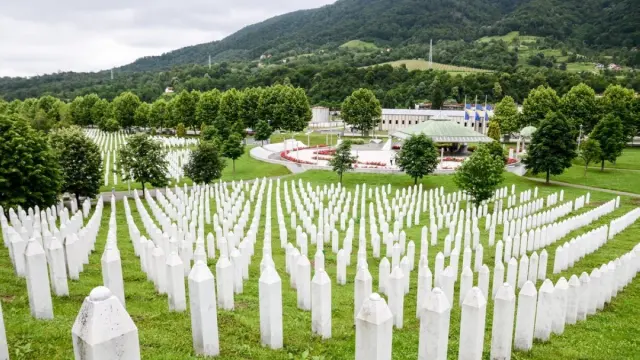
The recent history is sobering. In the early 1990s, around half a million shells fell on the city, and residents regularly went up to six months without gas, electricity or running water. Locals like Mersiha Kevelj-Panjeta, a Sarajevo cook, credit survival to community: people living with each other, not just next to each other. That warmth is exactly what travellers notice today. Hospitality here isn't a tourism strategy — it's a habit formed under pressure.
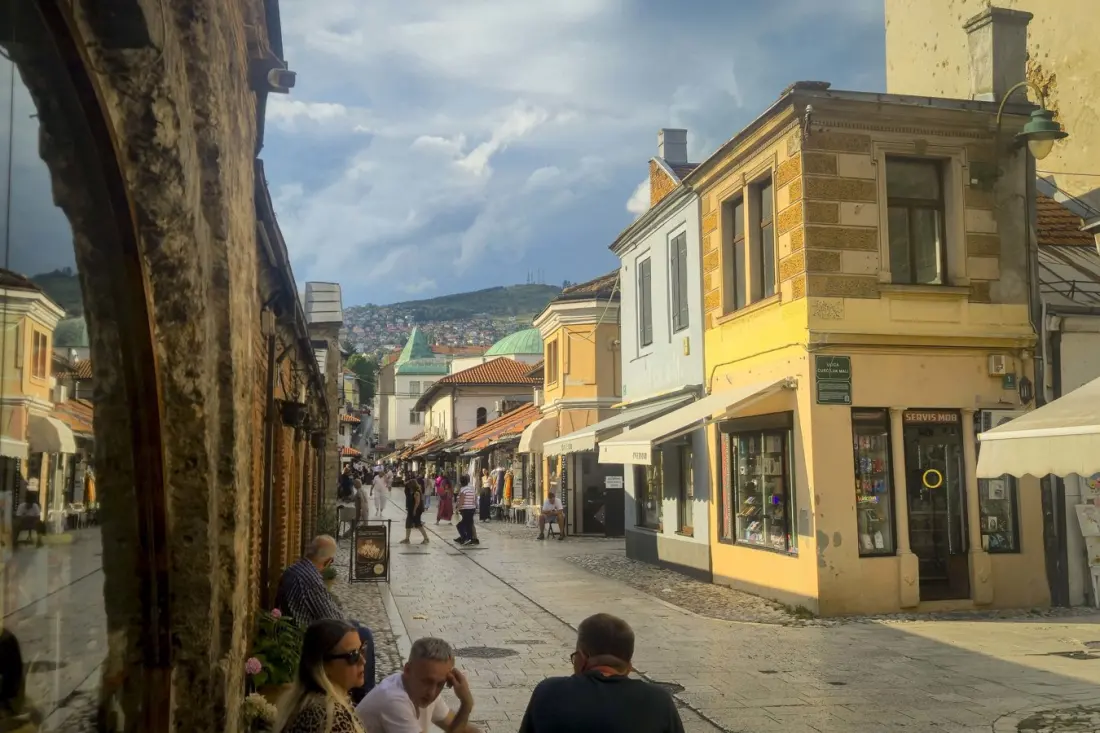
What does that mean for your plate? The classics lean on the city's Ottoman roots. Ćevapi, the small grilled minced-meat kebabs served in flatbread with raw onion and kajmak, are the unofficial national dish — Baščaršija, the old Turkish quarter, is full of institutions that have grilled them for decades. Burek, a flaky filled pastry, is eaten any time of day, ideally with a glass of yoghurt. Bosnian coffee, served in a copper džezva with a cube of rahat lokum, is a ritual rather than a caffeine hit; you'll linger over it for an hour and that's the point. Austrian influence shows up in bakeries and patisseries, while the more recent chapter shows up in sombre but worthwhile sites like the Tunnel of Hope and the memorial markers set into the pavements.
For travellers, Sarajevo punches well above its weight on value. It's compact and walkable — the old town and the more Habsburg-flavoured centre are minutes apart — and meals that would cost triple elsewhere in Europe are everyday prices here. It also suits a slow style of travel: long coffees, chats with shopkeepers, a food market in the morning and a walk up one of the surrounding hills for a view over the red rooftops and minarets in the afternoon.
Who is it for? Food-focused travellers, anyone interested in 20th-century history, and visitors who like destinations that feel lived-in rather than staged. It also pairs neatly with Mostar and the Herzegovina wine country a few hours south. Just go with an appetite and an openness to hearing the city's story — most locals are happy to tell it, because in Sarajevo, eating and remembering tend to happen at the same table.
First reported by Roads & Kingdoms.