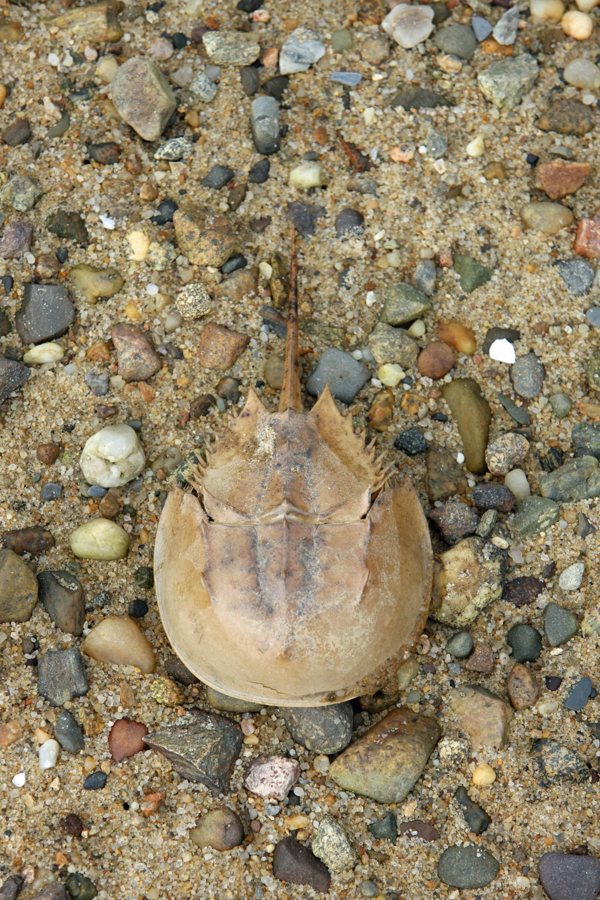
Horseshoe crabs — creatures that have barely changed in 450 million years, pre-dating the dinosaurs — have been documented in the Philippines for the first time outside Palawan. The new find comes from Tawi-Tawi, an island province at the country's southernmost tip, and it came about almost by accident.
In December 2023, marine scientist Ivane Pedrosa-Gerasmio was browsing a market in Bongao, the provincial capital, when residents mentioned they'd seen horseshoe crabs locally. She and her student, Quesie Tolero Omnos, followed the lead by interviewing 142 coastal residents across four municipalities. The result: solid evidence of two species, apparently the tri-spine horseshoe crab (endangered on the IUCN Red List) and the mangrove horseshoe crab (so little-studied that its conservation status is listed as data deficient).
Locals call the animals 'bangkas' — a nod to their boat-like shape — and report seeing them across a striking range of habitats: sandy beaches, mangrove forests, rocky coral areas, seagrass beds and even waters 10 to 15 metres deep. That breadth suggests Tawi-Tawi's coastline is a more important refuge for the animals than anyone realised.
There's a worrying side to the interviews, too. More than half of respondents believed horseshoe crab numbers are falling, citing harvesting for traditional medicine and rituals, climate change and industrial pollution. Only four species survive worldwide today, three of them in Asia, where habitat loss, bycatch and coastal development all add to the pressure. The researchers say this first documentation is step one: better data on where the animals live and how many remain could underpin real conservation plans built around local knowledge.
Why should travellers care? Tawi-Tawi is one of the least-visited corners of the Philippines — remote, overwhelmingly Muslim, and gloriously raw — and this discovery puts a spotlight on coastal ecosystems there that few outsiders ever see. If you're drawn to genuinely off-grid destinations, this is a place where mangroves, seagrass meadows and coral reefs still function largely as nature intended, and where community knowledge now has scientific backing for protecting them. It's also a reminder to treat wildlife encounters responsibly: the same animals that appear in local medicine and rituals are globally endangered, so observe, photograph and leave them be. As more data emerges, Tawi-Tawi could quietly become one of Southeast Asia's most intriguing destinations for marine-life watchers — long before the crowds arrive.