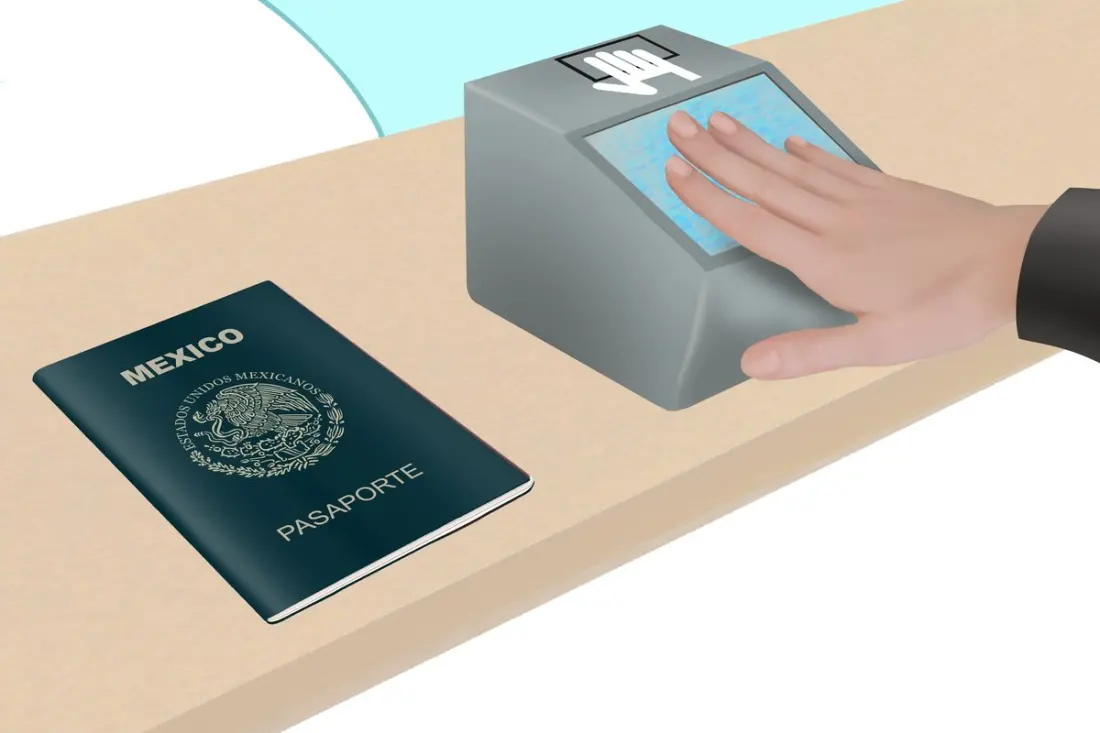
If you hold Temporary or Permanent residency in Mexico, a change in your personal circumstances isn't just something to mention to friends — it's a legal obligation to report. The immigration authority, the INM, expects residents to file a formal notification within 90 calendar days whenever key details change.
The events that trigger a filing include moving house, changing your name, taking a new nationality, a change in marital status (marriage, divorce, or the death of a spouse or partner), and changes to your economic activity — say, switching employers, starting a job after not working, or opening a business.
The rules are stricter than many expats expect. Each notification must be filed separately per applicant, in person at an immigration office in Mexico, and each type of change needs its own filing — so if you've both moved address and got married, that's two procedures. Consulates abroad can't handle these notifications, so a holiday outside Mexico isn't the moment to sort paperwork.
Preparation matters. Depending on the change, you may need supporting evidence such as marriage certificates. Documents issued outside Mexico generally need to be notarised or apostilled and translated into Spanish. You'll also need to complete the relevant forms and write a covering letter in Spanish. The upside: change notifications are usually processed the same day you attend, so no repeat visits.
For those daunted by the process, services like the one Mexperience describes offer tele-assistance: an initial consultation, a review of your documents, help completing forms and letters in Spanish, booking your appointment through the INM's online system, and a personalised checklist for the day itself. The first filing costs US$129, with additional filings at US$75 each — government fees excluded. It's worth noting this is facilitation, not fast-tracking: no provider can guarantee appointment dates or preferential treatment.
Why does this matter to anyone considering a longer stay in Mexico? Residency is increasingly popular with remote workers, retirees and snowbirds, and losing good standing over an unreported change of address is an avoidable headache. Mark the 90-day window, keep certified copies of key documents, and treat the local immigration office as part of your admin routine — like renewing a driving licence, only with more Spanish.