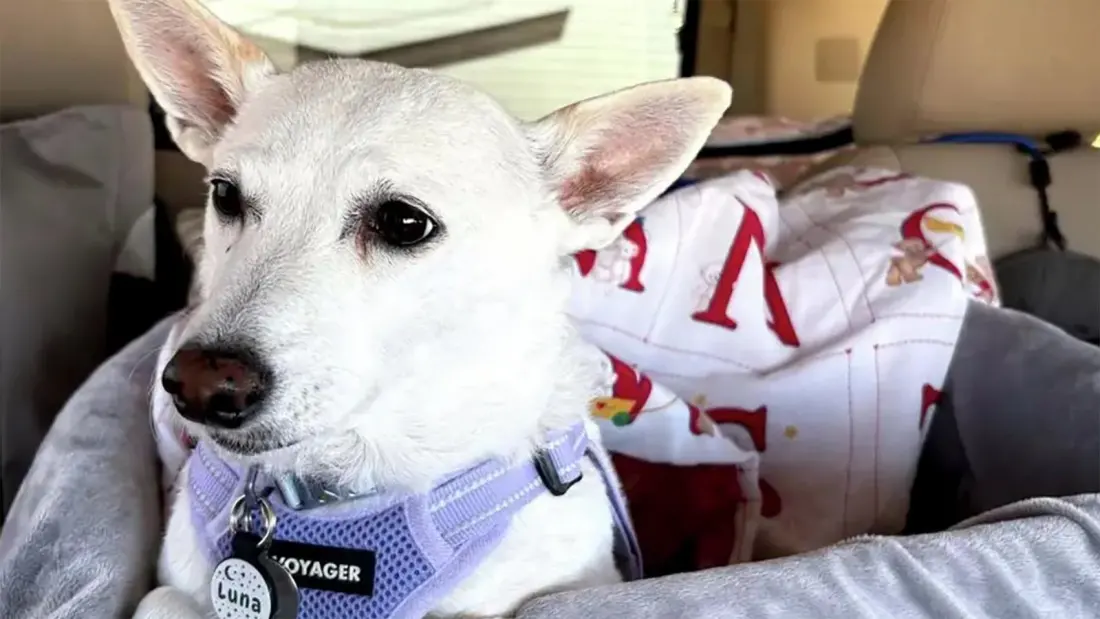
A ten-year-old Jack Russell Terrier from California named Luna is finally safe. On October 14, after more than a month on the loose in Yellowstone National Park, the Montana-based Norris Ark and Recovery Center confirmed she had been captured and was on her way to the vet. "We got her," centre president Katie Boucher reported, with details of her condition still to come.
Luna's ordeal began on September 10, when a housekeeper opened the door of the cabin her family was renting and she bolted. For 34 days she lived on her own in a park full of cold nights, thin pickings and predators, repeatedly spotted near lodges, cabins and parking lots — including a sighting on October 13, just a day before the rescue, where she looked healthy and uninjured.
How did a small house dog last so long? Boucher points to Luna's early life: she spent her first year as a stray on California streets before the SPCA picked her up. Those instincts — hiding, foraging, steering clear of perceived threats — clearly kicked back in. "She does not need people and she knows it," Boucher said. Breed expert Alison Cook Cilliers of Kimberlite Jack Russell Terriers in California agrees the breed is built for this: originally bred to hunt underground without handler direction, Jack Russells are famously tenacious and independent. Cilliers also notes a key difference from Finney, another Jack Russell who survived 72 days in Colorado's mountains in 2024 — Finney stayed with his injured owner, while Luna was alone from day one, which likely made her even warier of human approaches. Chasing or calling a frightened dog, Cilliers warns, can push it deeper into survival mode.
The rescue itself took serious legwork. The National Park Service granted Norris Ark a special trapping permit for a Missy Trap — a large enclosure triggered remotely by an observer watching from a distance, rather than by a pressure plate — and construction crews gave the team access to restricted areas usually closed even to staff. Boucher described Yellowstone as an "urban wilderness environment" where any recovery has to juggle wildlife, tourists, road rules, contractors and federal permits, all of which were due to expire on October 31. Early snow and falling temperatures added urgency: as Boucher put it, Luna was "a California dog" who had never seen snow.
There's a practical lesson for anyone travelling with pets. Luna's family stayed in the area until September 22, but left reluctantly after struggling to find legal lodging as seasonal accommodation closed — Yellowstone prohibits sleeping in vehicles or camping outside designated sites. They contacted Boucher as soon as sightings began, and the reunion is now a reality rather than a hope.
For travellers, it's a reminder that Yellowstone in autumn is both spectacular and unforgiving: services wind down fast after September, nights turn cold, and the park's rules are strict. And if your Jack Russell ever disappears? Don't chase. Wait, watch from afar, and call in specialists with a humane trap.