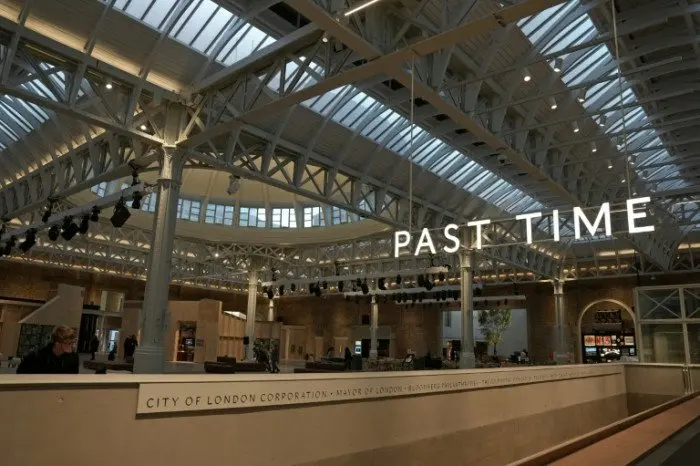
After nearly a decade of work and a £437 million ($570 million) investment, the London Museum has swapped its cramped 1970s home for a far more atmospheric address: the Victorian brick buildings of Smithfield Market in the heart of the City. The free museum opens to the public on Saturday, and even its director admits the result feels like a small miracle.
The site hadn't been used since the 1990s and was, by the museum manager's own account, dripping water everywhere — restoring the glass roof alone took around three years. Smithfield, central London's last major food market, is gradually winding down, and the museum leans into that history rather than hiding it: archival photos of hanging carcasses hang alongside displays questioning whether "the business of food" is getting too messy for a sanitised city.
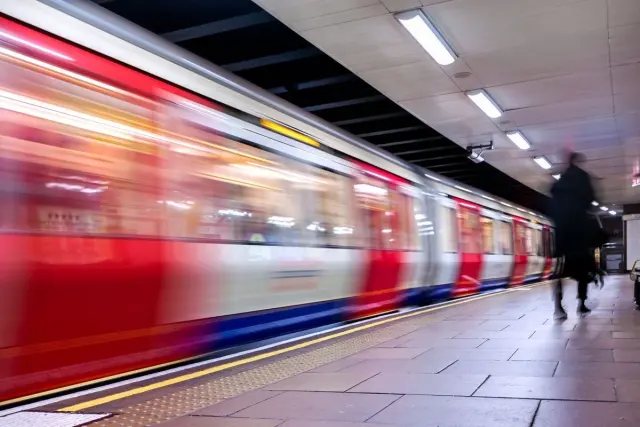
Inside, the ground floor is a vast hall of brick and iron columns set up as a kind of indoor public square, with cafés, shops and seating — a layout the director says no one would ever have designed from scratch. Downstairs, in a former railway depot, 5,000 objects trace the city across 2,000 years, roughly chronologically, right up to the 2012 Olympics. A viewing window lets you watch commuter trains rumble past; the vibrations are strong enough to make the gift shop mugs clink.
The collection deliberately mixes the grand with the everyday. There's the gilded Lord Mayor's coach used in the annual parade, Queen Victoria's black silk mourning dress, and over 500 pieces of 16th- and 17th-century jewellery displayed with the sound of hammering goldsmiths. But recent London gets equal billing: a bike courier's outfit, Indian ready meals, a horse-drawn coffee stall run by one family for a century, a bowler hat, an early Nokia "brick", and shop signs including one from the Top Shop store on Oxford Street that closed in 2021. A sobering display commemorates the 72 people killed in the 2017 Grenfell Tower fire, noting the community has "yet to see the change that they are owed".
The curators' pitch is simple: whether you lived in Roman Londinium or modern Zone 1, people shared the same fears and hopes. That makes this one of the more human history museums you'll find anywhere — and, crucially, it's free.
For travellers, this is a genuinely new anchor for a corner of London most visitors only pass through on the way to St Paul's. Combine it with the historic market buildings, nearby Clerkenwell's food scene, and the Barbican next door, and you've got a half-day that most city-break itineraries miss.