Kathmandu's Patan is about to become the documentary capital of South Asia. The 15th edition of Film Southasia runs 26-29 November at Yala Maya Kendra, screening 48 films from 11 countries alongside Q&As with the directors who made them.
Founded in 1997, the biennial festival has always aimed to be a space for peaceful, people-focused dialogue across the Subcontinent. This year's theme, Documentary in Transit, is a deliberate response to the moment: festival director Mitu Varma frames it as a way to talk about migration and change in a world dealing with wars, humanitarian crises and the rise of AI. Assistant director Pawas Manandhar adds a formal twist — the selection leans into experimental work that bends the traditional documentary format with theatrical storytelling techniques.
The numbers behind the programme are striking. From 2,600 submissions, 672 met the criteria, and 42% of entries were directed or co-directed by women. An international jury of three will judge the competition: Bhutanese filmmaker Arun Bhattarai, Chennai-based scholar Anitha Pottamkulam, and Nepali Times publisher Kunda Dixit. Films come from Afghanistan, Bangladesh, Bhutan, India, Myanmar, Nepal, Pakistan and Sri Lanka.
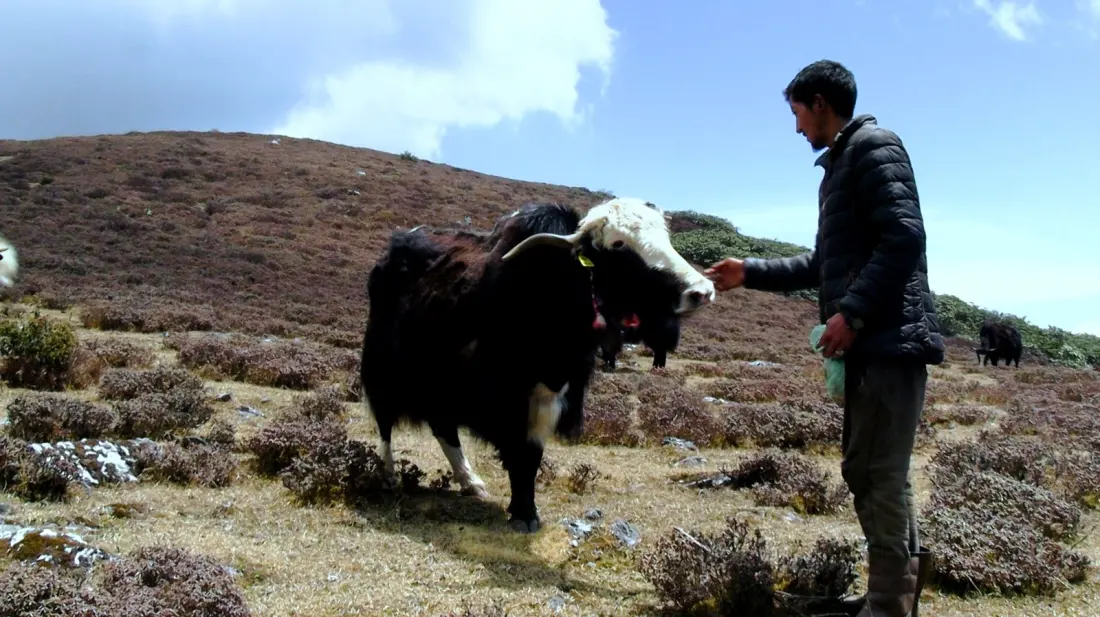
The watchlist alone is worth the trip. Kesang Tseten's The Lama's Son follows a Bonpo Lama in Mustang waiting for his sushi-chef son to return from New York and inherit his role, even as climate change erodes the community around them. Paikar has Dutch-Afghan director Dawood Hilmandi confronting his father's violent past across Afghanistan, Iran and Iraq. Shorter picks include 30 Yaks, a 12-minute Bhutanese film about a herder at 4,800m consulting an astrologer about missing livestock, and JAAN, a student film about Afghan women surviving repression through song and dance.
For travellers, the festival is a rare chance to see South Asia as South Asians see themselves — intimate, contested and often far from the tourist-brochure version. Screenings and filmmaker conversations are concentrated over four days in Patan, one of Kathmandu's most atmospheric quarters, so you can pair a day of documentaries with evening wanders around Patan Durbar Square and its café scene. It's a low-cost, high-density cultural fix, and English is widely used at festival events.