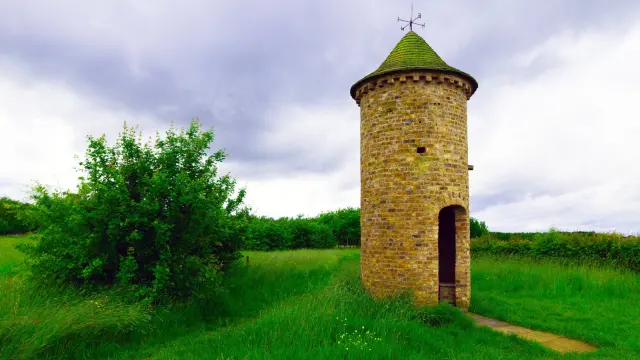
It's not the kind of landmark that makes the postcards, but London's oldest public loos have quietly earned a place on the city's list of curiosities. Secret London has spotlighted these Victorian-era conveniences, which date back to the 19th century — a time when public health reformers were busy dragging the capital into the modern age.
Public toilets first appeared in London in the 1850s, spurred by the Public Health Act and the sweeping sewer works engineered under Joseph Bazalgette. The earliest ones were built for men (a reflection of the era's assumptions about who was out and about in the city), often tucked beneath pavements near busy stations and markets. Ornate tiling, brass fittings and porcelain cisterns were the order of the day — these were engineered to impress, not just to function.
Many of the surviving examples sit around the City of London and the West End, some still in use, others long since closed and left as time capsules. A handful have found second lives as bars, cafes and events spaces, which has become something of a trend in the capital. You might well have had a drink in a former public convenience without realising it.
Why does this matter to a visitor? Because it's a genuinely free slice of London history you walk past every day. The Victorians treated public infrastructure with a design ambition we rarely see now, and these subterranean spaces — with their spiral staircases and glazed brick walls — tell you as much about the city as any museum gallery. They're also handy to know about when you're caught short in a city where free public toilets have become surprisingly scarce.
If you fancy tracking one down, pair it with a walking route through the historic City streets, where several of the oldest examples cluster. Keep an eye out for the green heritage plaques and the small doorway signs that hint at what lies below street level. Some operators and heritage walking tours include a conveniences stop on their route, and photogenic examples pop up regularly on architecture-focused blogs.
One practical note: accessibility varies enormously. Most Victorian facilities are underground and reached only by stairs, so they're no use for step-free needs — modern accessible toilets are better sought at larger stations, museums and department stores, which are free and well maintained. And a few historic loos now charge a small fee or ask for card payment, so having a contactless card handy saves a scramble.
Quirky, free and genuinely historic: London's oldest public toilets are a reminder that the city's most interesting stories aren't always above ground. Full details of the specific location can be found at the original source.