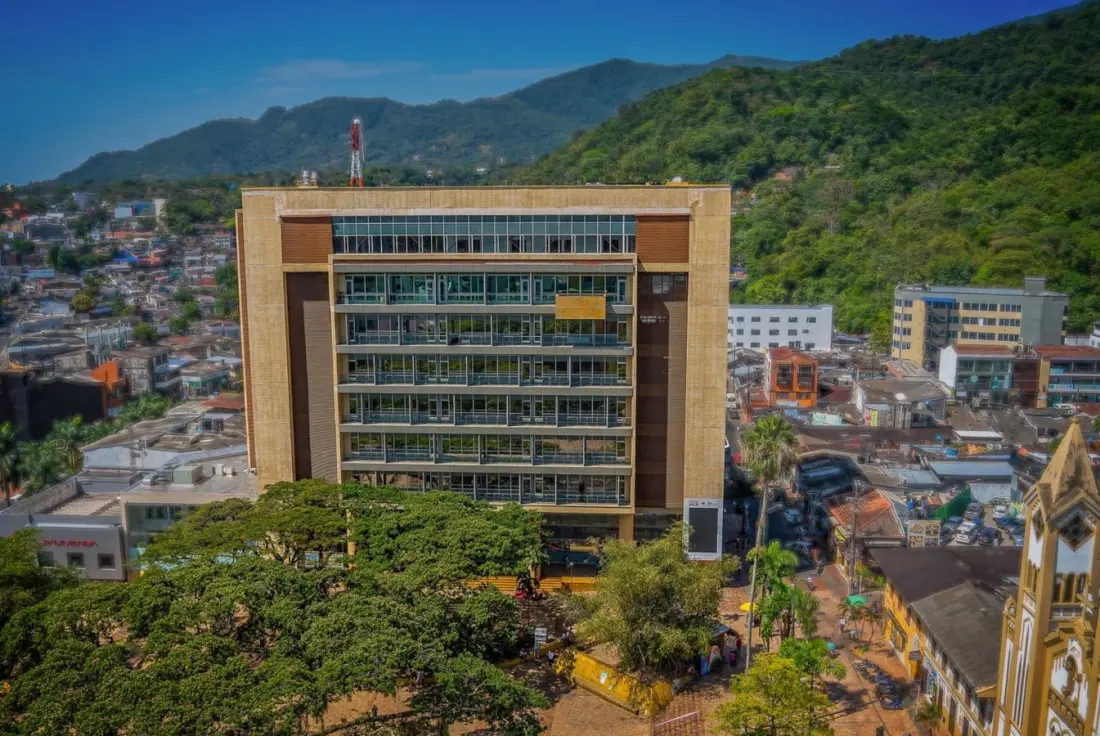
A car bomb exploded outside the Meta Governor's Office in downtown Villavicencio late on Monday, November 23, injuring at least 23 people — among them a nine-year-old girl — and wrecking buildings across several blocks. No deaths had been reported as of early Tuesday, but the blast left a crater in the street, knocked out power and damaged properties within roughly a 500-metre radius, including the city's cathedral.
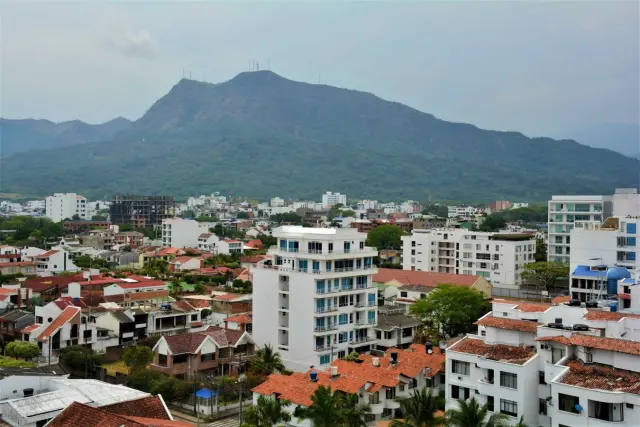
Villavicencio, capital of Meta department, sits about 78 miles south of Bogotá and is a common jumping-off point for travellers heading into the Llanos plains. Authorities have not formally named those responsible, but initial assessments point to dissident factions of the former FARC. Investigators are reportedly looking at figures linked to the Amazonas Bloc's 28th and 39th fronts, as well as the 44th Front associated with alias Ivan Mordisco. One working theory is that the bombing was retaliation for weekend military airstrikes in Mapiripan, in the same department, that killed five alleged group members.
The attack fits a worrying pattern. In recent weeks, armed groups have escalated from drone strikes on military bases to explosives dropped on police stations. A November 7 drone attack on a military base in Santa Rosa del Sur, Bolivar department, killed three soldiers and injured eight. On the same night as the Villavicencio bombing, explosives-laden drones hit the police command headquarters in Cúcuta, on the Venezuelan border, injuring three civilians — including an 18-month-old child — and damaging dozens of homes. Similar incidents have been reported in Catatumbo and Nariño.
President Abelardo de la Espriella responded by ruling out any return to peace talks. "There will be NO DIALOGUE WITH DRUG TERRORISM under this government," he posted, framing the attack as an attempt to intimidate his administration into negotiation. He travelled to Villavicencio on Tuesday to coordinate an emergency security plan with Governor Rafaela Cortes, who called the bombing an assault on the population and public institutions.
For travellers, the takeaway is timing and geography. The escalation comes just before the 10th anniversary of Colombia's 2016 peace agreement, a reminder that while most tourist corridors — Cartagena, Medellín, the coffee region — remain far from these flashpoints, violence is once again reaching departmental capitals in areas like Meta and Norte de Santander that draw more adventurous visitors. Anyone planning trips to the Llanos, the Catatumbo region or border zones should check current government travel advisories, avoid political gatherings and demonstrations, and monitor local news closely. This is a security situation in flux, not a reason to write off the country — but it argues for extra caution and flexible plans in the affected departments.