A supercharged El Niño winter is on the table for 2026-27, and skiers are once again weighing whether to gamble on a big-ticket trip or find snow somewhere cheaper. One writer with years of cheap-skiing road trips behind them argues the smart move is skipping the mega-resorts entirely — and the options are surprisingly good.
The economics of skiing have gotten rough. Vail and Alterra now dominate much of the industry, full Epic and Ikon passes run north of $1,000, and a weeklong trip for a family of four can easily cost $5,000 to $15,000. Last season's weak snowfall in the West pushed resort visits 9.1 percent below the ten-year average. Warmer, wetter storms mean lower-elevation hills are riskier bets, so elevation and snow-making now matter as much as brand names.
In Colorado, the trick is skiing the independents down the road from the famous names: Sunlight Mountain near Glenwood Springs (steeps, small crowds, small prices), Powderhorn on the Grand Mesa, high-elevation Monarch Mountain instead of Crested Butte, and Wolf Creek, which reliably claims Colorado's deepest snowpack. The Indy Pass, built around small independent resorts since 2019, is a useful map for finding more like these — though new buyers currently face a waitlist.
The East is cheaper by design. Beech Mountain outside Boone, North Carolina, is the highest ski area in the East at 5,506 feet, with a microbrewery on the summit and one of the best weekday deals in the Southern Appalachians. In West Virginia's Alleghenies, the Canaan Valley trio is the value play: fast-lift, ski-in Timberline Mountain with midweek gift-card rebates; old-school, state-park-run Canaan Valley Ski Resort; and White Grass, a bare-bones touring area with 1,200 feet of vert for next to nothing. Vermont's Burke, Jay Peak and Smugglers' Notch round out the budget East.
The Midwest is the sleeper pick. Mount Bohemia on Michigan's Upper Peninsula sells a season pass for roughly $100 — about the price of a single day ticket at a marquee resort. Also worth a look: Chestnut Mountain above the Mississippi in Galena, Illinois, and Granite Peak in Wisconsin.
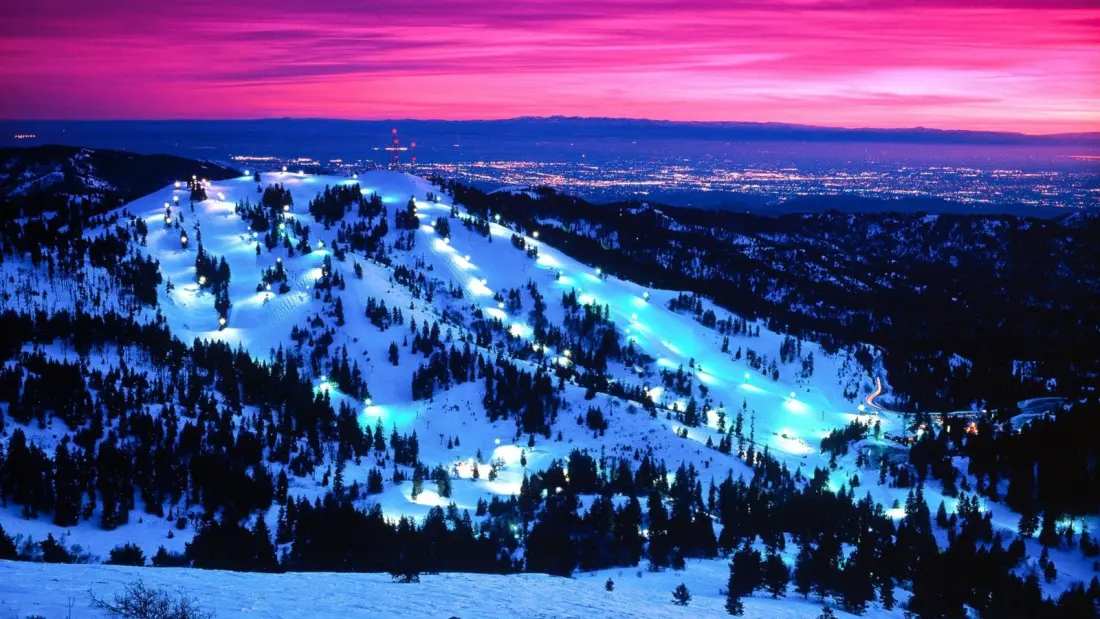
Out west, Boise's nonprofit Bogus Basin offers big acreage and fast lifts, with cheap lodging 16 miles downhill in a city that empties out in winter. Around Idaho's Snake River Plain, Magic Mountain, Pomerelle and the steep wildcard Pebble Creek keep costs low. And near Reno — where the author once paid $30 a night for a casino hotel — Mt. Rose (Tahoe's highest base at 8,260 feet) and Diamond Peak near Incline Village deliver genuine Tahoe snow without Tahoe prices, especially on deals like two-for-one Tuesdays.
The takeaway for travellers: stay in a summer-traffic town instead of a ski village, pick mid-size independents, ski midweek, and watch the forecast before booking. Whether El Niño delivers or not, this is the winter to know these names.