A United Launch Alliance Vulcan rocket lifted off from Cape Canaveral Space Force Station on 15 November carrying 40 satellites for Amazon Leo, the low-Earth-orbit broadband network Amazon hopes will rival Starlink. Roughly ten minutes into the flight, the vehicle suffered what ULA called an anomaly, and the entire payload was lost. It was the first complete mission failure in the roughly 20-year history of ULA, the Boeing-Lockheed Martin joint venture, and the first Amazon Leo mission flown on a Vulcan rocket.
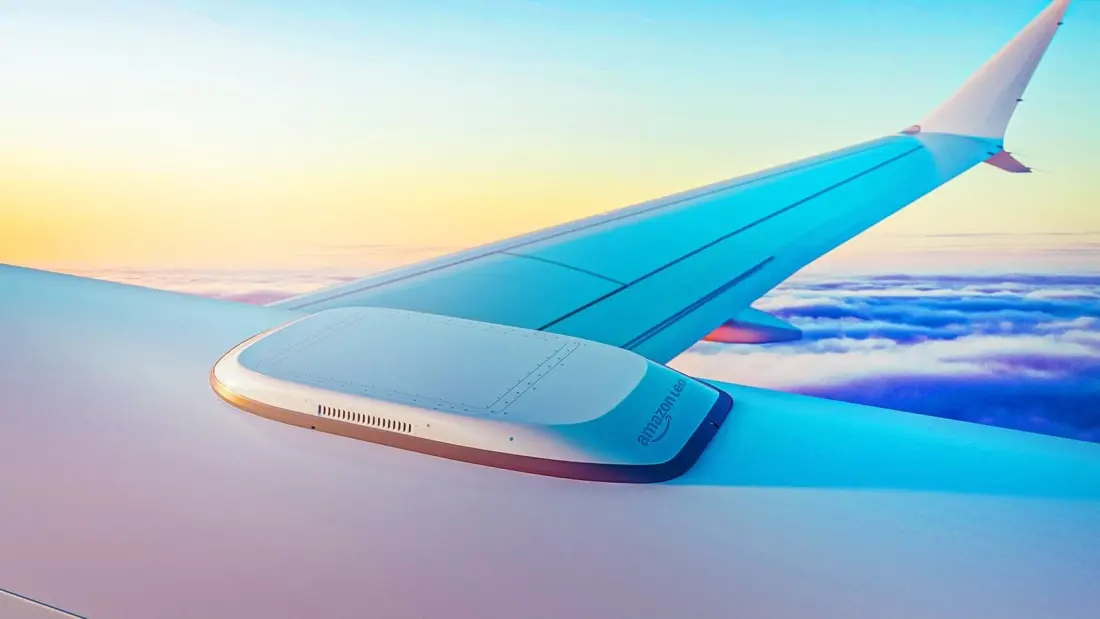
Why should anyone booking a flight care? Because Delta Air Lines has tied its next-generation inflight Wi-Fi to Amazon Leo. The carrier plans to install the system on an initial 500 aircraft from 2028, promising download speeds of up to 1 Gbps and uploads of 400 Mbps, free for SkyMiles members. Unlike Starlink, which already flies on hundreds of commercial aircraft, Leo is still under construction — and this launch failure is a loud reminder of what that means.
The setback is real but not fatal. Before the mishap, Amazon had 398 satellites in orbit across 14 launches, roughly 12% of the 3,236-satellite constellation planned for global coverage. Hundreds more satellites are reportedly ready to fly, and Amazon is not wedded to a single rocket: its next mission, an Ariane 6 carrying 36 satellites, was already scheduled to lift off from French Guiana on 23 November. Amazon has contracts with multiple launch providers, though it had pencilled in Vulcan for dozens of missions, so any lengthy investigation could slow the rollout and pile pressure on its other partners.
The competitive math is what stings for Delta. United Airlines is already fitting Starlink across its fleet and expects to finish by the end of 2027 — potentially before Delta installs Leo on a single aircraft. Delta's choice was not irrational: the airline has a deep relationship with Amazon Web Services and wants to weave connectivity into Delta Sync, its loyalty programme and seatback entertainment, keeping control of the passenger experience rather than handing it to a Musk-run platform. CEO Ed Bastian has said the decision came down to business-model differences, not personal friction.
Nor are Delta passengers offline in the meantime. Free Delta Sync Wi-Fi covers most of the fleet, and the airline is adding Viasat capacity and Hughes Fusion technology as a bridge. But frequent flyers who have worked over Starlink tend to notice the difference — it's fast, low-latency and consistent in a way legacy inflight internet rarely is. Every delay to Leo gives United more runway to advertise genuinely excellent connectivity, and the pressure is now on Amazon to recover quickly and keep Delta's 2028 promise credible.
One failed rocket doesn't prove Delta picked wrong. But it does prove the risk it knowingly accepted: betting on a network that doesn't yet exist at scale. For travellers, the practical takeaway is simple — if gate-to-gate speed in the air matters to you, United's Starlink-equipped flights currently hold the edge.
Credit: Live and Let's Fly