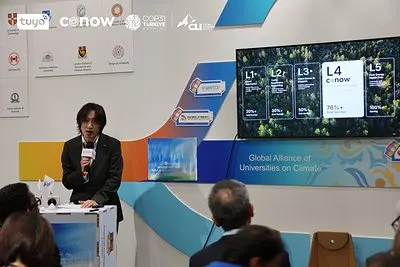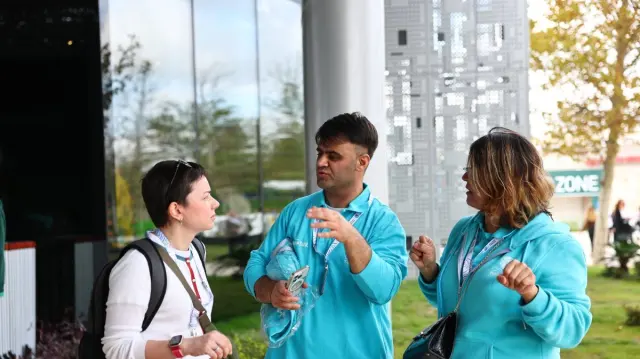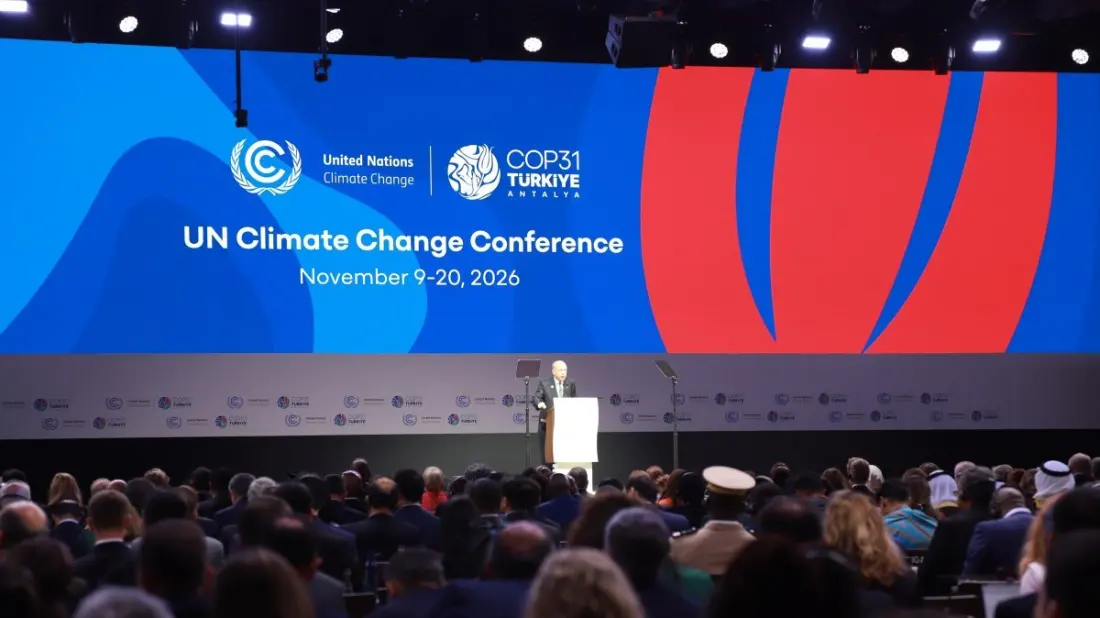
Antalya, Türkiye's Mediterranean resort hub better known for beach holidays than diplomacy, spent 9-20 November 2026 at the centre of world affairs as host of COP31, the United Nations climate conference. By the numbers, it was the largest COP ever staged: more than 102,000 registered participants passed through the Blue Zone, where official negotiations happen, in the first week alone, while over 212,000 people visited the public-facing Green Zone. Representatives came from all 196 parties to the UN climate convention plus the EU, with 102 leaders from 95 countries and seven international organisations in attendance.
Türkiye leaned into the host role with a deliberate theme: an "implementation COP." Rather than piling up fresh pledges, Ankara pushed for the summit to focus on delivering goals already agreed at previous conferences — climate finance, adaptation, emissions cuts, clean energy, resilient cities and zero waste. That last point is a Turkish export: the zero-waste movement launched in 2017 by first lady Emine Erdoğan has since been taken up by the UN, which now marks 30 March as International Day of Zero Waste.
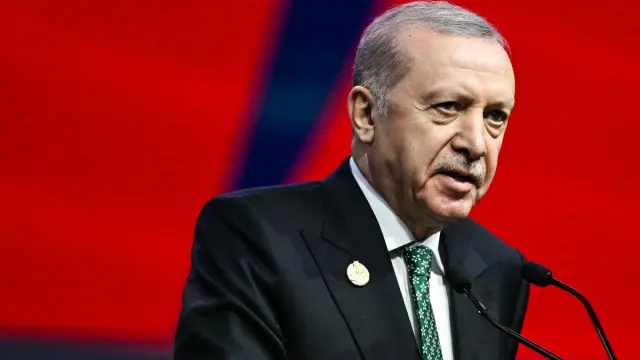
President Erdoğan used the platform for symbolism as well as statecraft, planting an olive tree with UN Secretary-General Antonio Guterres to highlight the collapse of Gaza's olive groves — from more than two million trees in 2023 to roughly 150,000 by 2026, according to the UN's Special Rapporteur. He also packed in dozens of bilateral meetings covering conflicts and stability from the Caucasus to the Horn of Africa.
The column's sharper edge is aimed at the usual big emitters. Its author, professor Muhittin Ataman, argues that the United States and Western European states — the original drivers of the COP process — turned up with noticeably less commitment this time, distracted by wars and geopolitical rivalry, while shifting climate responsibility onto the Global South. Whether or not you share that framing, it captures a mood many delegates voiced: summits are getting bigger while the hardest politics stalls.
For travellers, the practical takeaway is twofold. First, huge UN conferences reshape a destination while they're on: expect booked-out hotels, security cordons and traffic around the venue zones if your trip overlaps with a COP. Second, Antalya's ability to host a 200,000-plus-person event says a lot about its conference infrastructure — this is a city that handles scale well, which bodes well for events and shoulder-season travel beyond the summer sun-and-sand months. The columnist's full argument runs in Daily Sabah, which notes the views are the author's own.