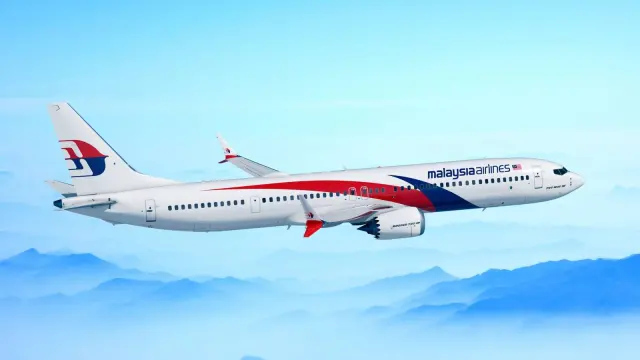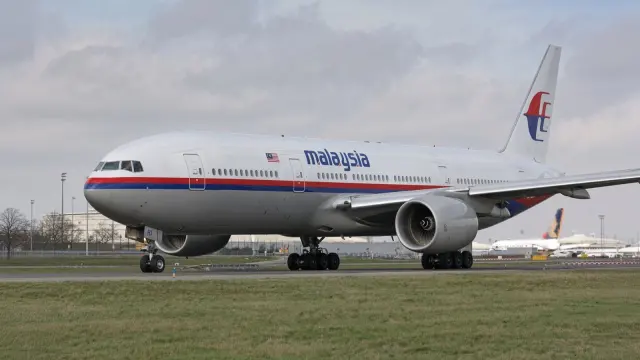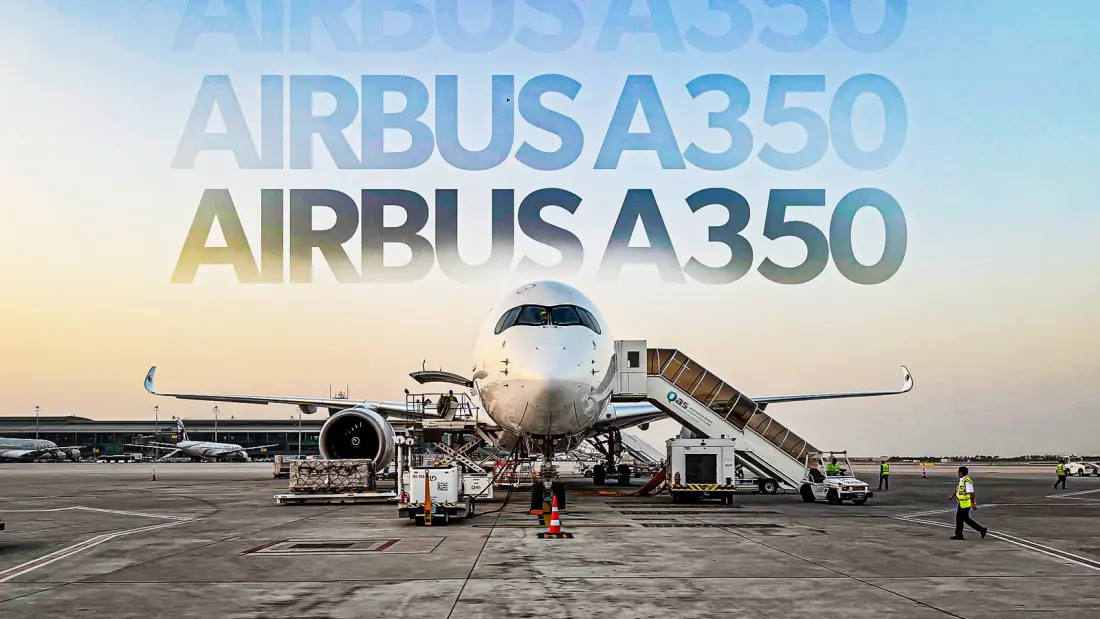
Malaysia Airlines is planning to swap out its flagship long-haul jets unusually early. The carrier has formally begun evaluating replacements for its seven Airbus A350-900s from 2030, when the aircraft will only be around twelve years old — far short of the two decades most airlines keep widebodies in service.
The main reason is scale. Seven jets is a tiny fleet for a network that stretches from London and Paris to Doha, Tokyo and Sydney, so a single aircraft going into the hangar cuts long-haul capacity by more than 14%. Engine inspections and maintenance checks regularly force exactly that scenario. The economics aren't helping either: Malaysia configured its A350s with just 286 seats — four suites, 35 business class and 247 economy — while rivals squeeze roughly 325 onto the same frame, meaning fewer tickets sold for the same fuel and landing fees.
Money matters here. Malaysia Aviation Group only posted its first annual profit in a decade in 2023 — RM766 million (about $162 million) — and running dedicated simulators, spare engines and maintenance kits for a seven-plane sub-fleet eats into that. Management is also scarred by the airline's A380 experience: six superjumbos that proved too big to fill, were retired early and written off. Leadership has been explicit that it won't repeat that mistake.
The likely outcome is an order of 10 to 16 new widebodies. The stretched Airbus A350-1000 offers an easy pilot transition and around 80 extra seats, but production slots are sold out well past 2030. The Boeing 787-9 could deliver sooner with competitive engine deals, though it would mean a second pilot and maintenance system. The carrier's 40 new A330-900neos can reach London in good conditions but fall short in winter headwinds, so whatever it picks must do Europe nonstop and also carry a dense seat count on routes to Sydney and Melbourne. An announcement is expected before the end of the year.
For travellers, this is worth watching if you fly between Europe and Australia or Asia. Malaysia's current A350 cabins — especially the business suites and the low 6,000-foot cabin altitude that comes with the jet's carbon-fibre build — are a genuinely comfortable way to cross those long distances. The replacement decision will shape what that product looks like through the 2030s, and whether the London-to-Sydney 'Kangaroo Route' gets a consistent single aircraft type end to end. If you're eyeing Malaysia Airlines premium cabins in the next few years, the current leased jets may not be around long past 2030 — and any lease extensions could signal delays in the upgrade programme.