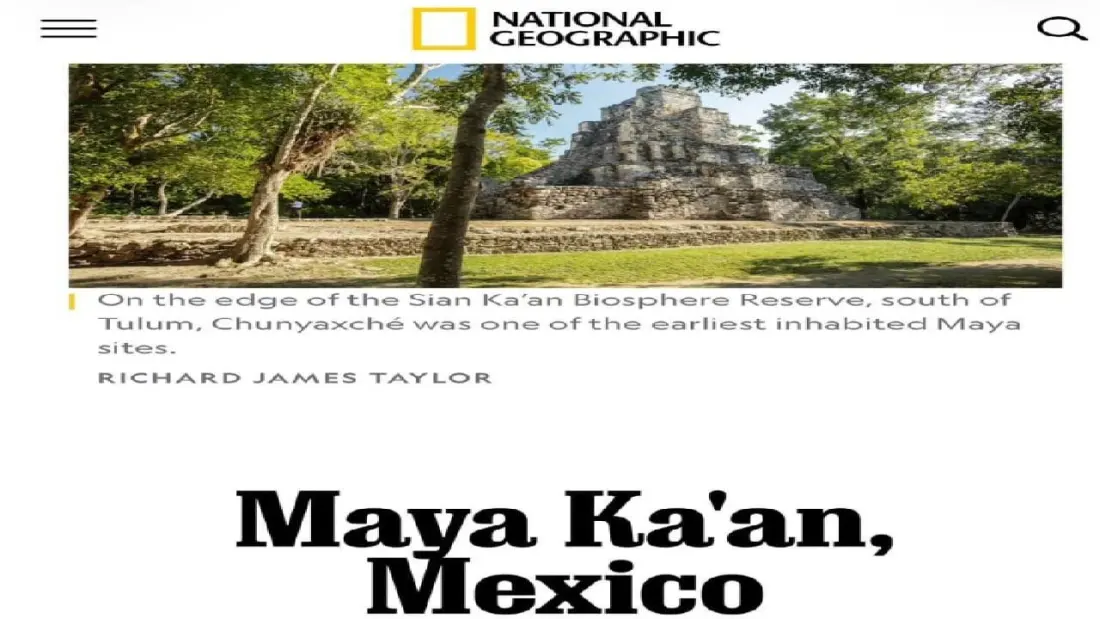
Skip the resort strip for a moment. National Geographic has named Maya Ka'an, the community-run corner of Quintana Roo inland from the Riviera Maya, among its Best of the World destinations for 2027 — and the recognition centres on something unusual: tourism organised and delivered by Mayan communities themselves.
The region stretches across a stretch of jungle, lagoons and villages around Felipe Carrillo Puerto, deep in the Yucatán peninsula. Where Cancún and Tulum sell beaches, Maya Ka'an sells time with locals. National Geographic's write-up flags the communities that have protected their forests and lagoon systems for generations, and the experiences built around their traditions, food, crafts and ancestral knowledge.
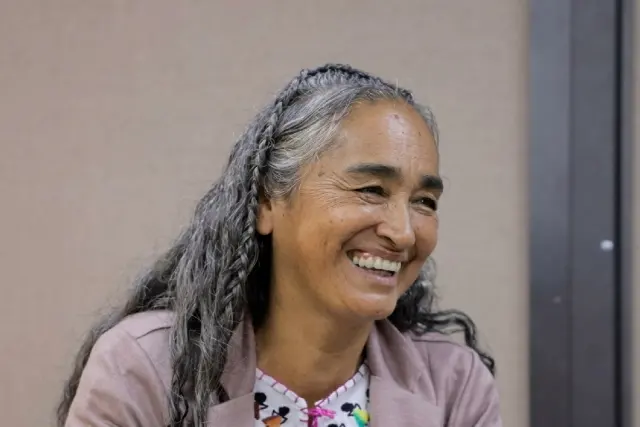
The specifics on the list are worth noting if you're planning a trip. In X-Pichil you can join Mayan embroidery workshops. Señor offers tours with local food and honey producers. There are nature outings on the Muyil Lagoon and into the mangroves of the Sian Ka'an Biosphere Reserve — a UNESCO World Heritage site that shares the region's eastern edge — plus cultural activities in the towns of Tihosuco and Chunhuhub, the latter known for its Caste War history. The magazine also stresses that the communities themselves are the drivers of conservation here, which is precisely what makes the model stand out.
Mexico's tourism secretary, Josefina Rodríguez Zamora, framed the nod as validation of community tourism as a way to spread tourism income beyond the coast while protecting cultural and natural heritage. The federal tourism ministry and Fonatur are backing the approach with a Community Tourism Distinction and a national guide to community experiences, and Quintana Roo is coordinating planning and infrastructure for Maya Ka'an specifically.
For travellers, the appeal is straightforward. You can pair a few days of cenotes and Caribbean water with two or three days in Maya Ka'an — an hour or so from Tulum — and put your money directly into village economies instead of hotel chains. Expect hands-on experiences rather than polished attractions: cooking, weaving, guided walks through forest and wetland, conversations through guides who often grew up in the villages. Spanish helps, though operators increasingly work with visitors in English, and booking through community cooperatives or local operators is the way in.
If 2027 is on your calendar, this is a destination likely to get more attention — and more infrastructure — as the year approaches. Going sooner means seeing it while it still feels genuinely off-script.