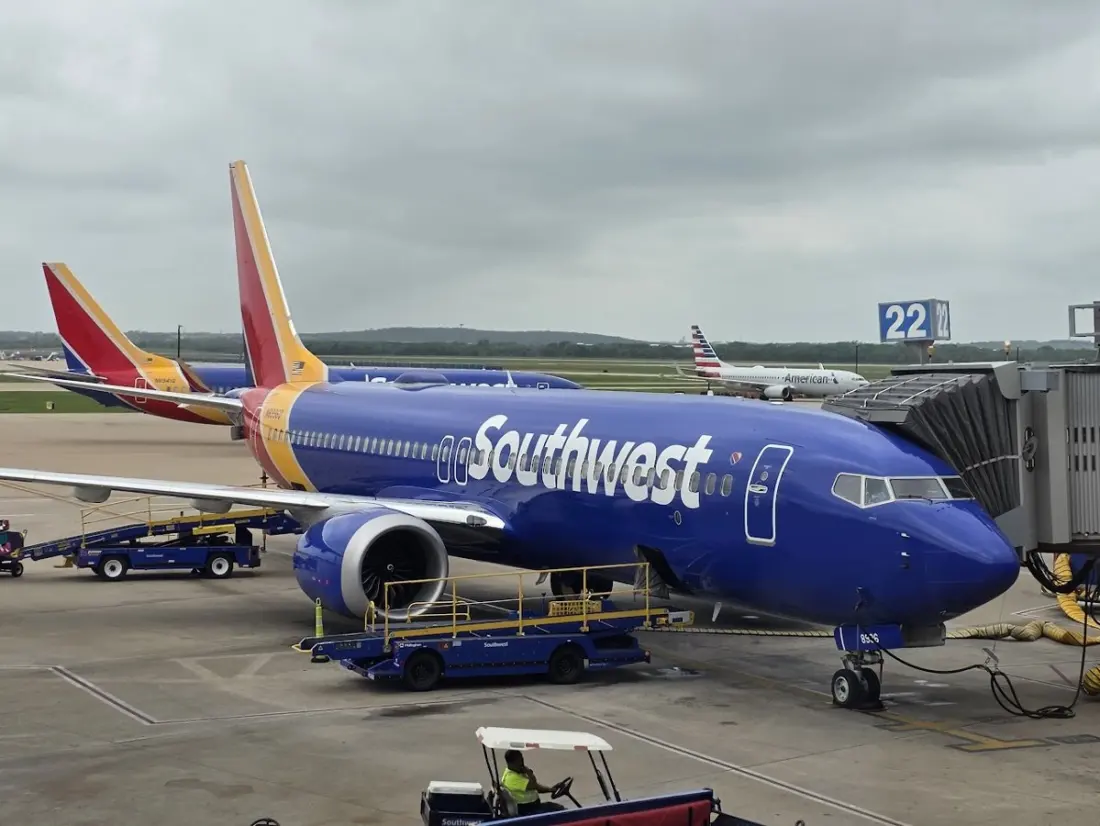
Southwest Airlines has been talking up its transformation — bag fees, assigned seating, extra-legroom rows — as the engine of its comeback. The latest quarterly numbers tell a messier story.
The airline posted $428 million in adjusted pretax profit, but $214 million of that came from selling things: $118 million in aircraft sale-leaseback deals and $96 million from retiring planes and selling engines. Strip out those one-off gains, as United does with its own, and Southwest's operating margin sits around 2.8% — well behind Delta's 9.4% and United's 6.9%. The cost-control advantage also fades once those sale credits are counted properly: expenses rise 7.4% rather than 3.8%, in line with peers.
That said, the top line is genuinely strong. Revenue grew 21.2% year over year, beating both United (17.4%) and Delta (15.7%), and doing it with slightly less flying — capacity actually dipped 0.4%. Load factor held flat at 79.8%. A big part of that growth, though, comes from the Chase co-brand credit card: the airline is recognising more of that partnership revenue upfront rather than deferring it against future award travel, which flatters the year-over-year comparison.
There are warning lights elsewhere. Southwest cut its full-year earnings forecast to $2.60–$2.85 per share from $3.25–$4.25, and fourth-quarter guidance of 55–80 cents trails the 81-cent analyst average. And the bag-fee maths remains murky: Southwest's own 2024 analysis projected $1.5 billion in fee revenue but $1.8 billion in lost business — a net $300 million hit. Management now cites a $1 billion profit contribution from bags plus another billion from seating, but that's gross revenue without deducting passengers who simply booked elsewhere.
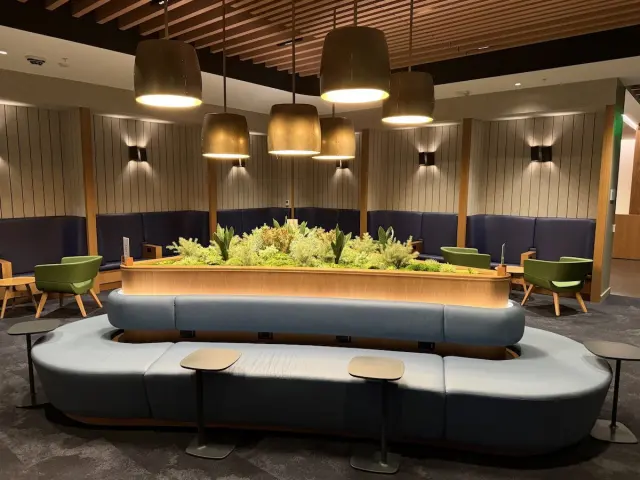
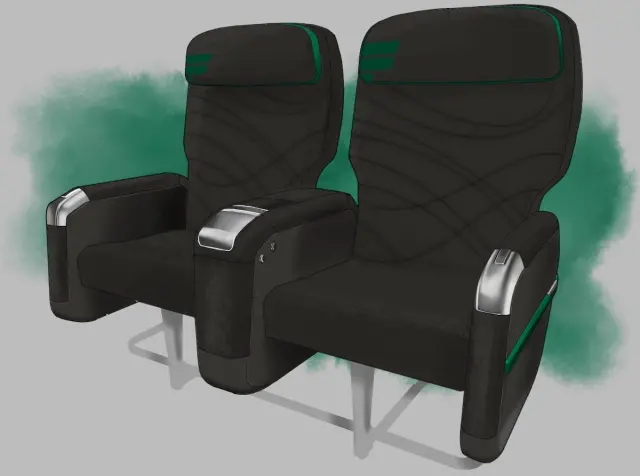
For travellers, the takeaway is that the new Southwest is here to stay. Fares are unbundled, bags cost extra on most tickets, and assigned and premium seats are the growth story. lounges and new card perks are on the way. The airline still runs a solid operation with a strong balance sheet, but anyone hoping for a return to the old all-inclusive, low-fare model shouldn't hold their breath. What's emerging is essentially another legacy-style carrier — just one without first class, seatback screens or long-haul routes.