El Salvador's surf towns get the headlines, but the country's real character shows up in its small mountain and colonial pueblos. The latest guide from El Salvador Info rounds up more than a dozen towns where traditions, food and coffee culture are still part of everyday life — and most are easy day trips or overnight stops.
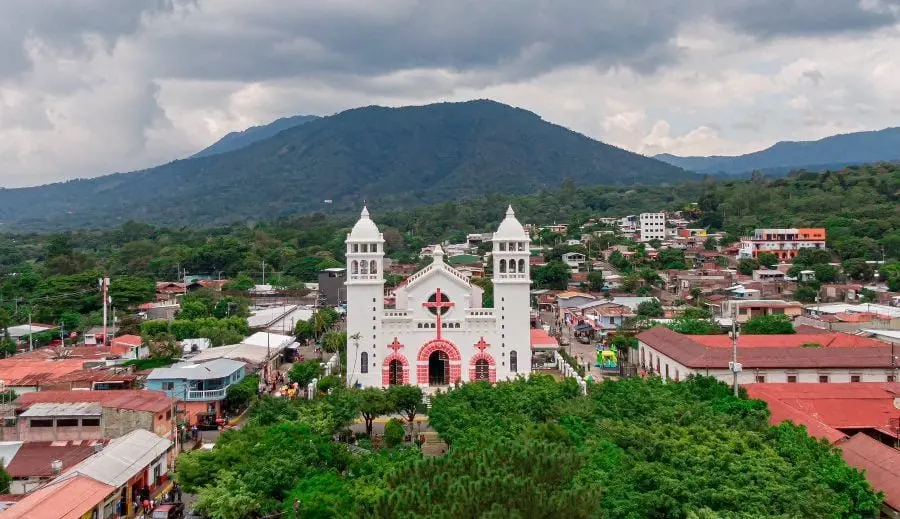
Suchitoto, in Cuscatlán, is the classic first stop: cobblestone streets, colonial houses, and the Santa Lucía Church watching over the central plaza. It's also the jumping-off point for boat trips and birdwatching on Lake Suchitlán. On the other side of the country's culture spectrum sits Perquín in Morazán, where the Museo de la Revolución documents the civil war years, paired with cool mountain air and the Ruta de Paz.
The Ruta de las Flores in the western highlands strings together several highlights. Juayúa is famous for its weekend food festival and the Cristo Negro Church; Ataco wins over photographers with its painted murals and artisan shops; Apaneca sits among coffee plantations near the Laguna Verde; and quiet Salcoatitán slots in neatly as an extra stop between them. Nearby Nahuizalco is the place for basket weaving and furniture made from natural materials, with strong Indigenous roots.
Eastward, the picks get wilder. Alegría sits high in the mountains beside the crater lagoon of the Tecapa volcano, while Berlín (yes, like the German city) trades on coffee heritage and a cooler climate. Conchagua, near the Gulf of Fonseca, pairs a colonial church with views over the gulf and its islands from the slopes of the Conchagua Volcano.
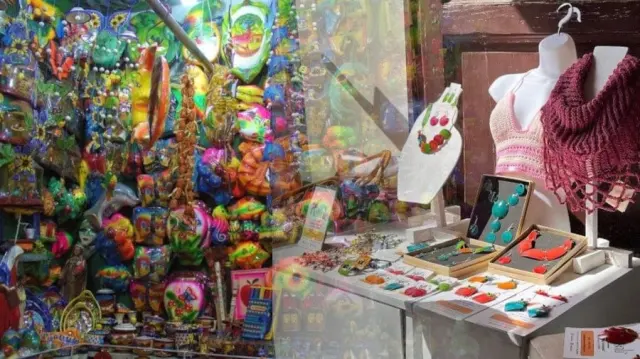
In the north, La Palma is the artisan capital — artist Fernando Llort's colourful folk-art style shaped the whole town, and workshops still sell hand-painted wood and ceramics. A short drive away, San Ignacio is the base for hiking or camping around Cerro El Pital, one of the country's highest peaks. Closest to the capital, Panchimalco (about 15km from San Salvador) preserves Pipil heritage — descendants of those who fled the Spanish conquest — and throws its Flowers and Palms festival on the first weekend of May. Izalco rounds out the list, its Indigenous traditions set under the gaze of one of El Salvador's most recognisable volcanoes.
The practical takeaway: you can't sensibly cover all of these in one trip, so pick a thread. Coffee and murals point west along the Ruta de las Flores; history and folk art point north to Suchitoto, La Palma and Perquín; crater lakes and gulf views point east. Many towns work as day trips, but staying one or two nights means catching a festival or market without rushing. Photographers, food lovers, hikers and anyone interested in how Salvadoran culture actually lives day to day will get far more out of these pueblos than another afternoon at a mall in San Salvador.