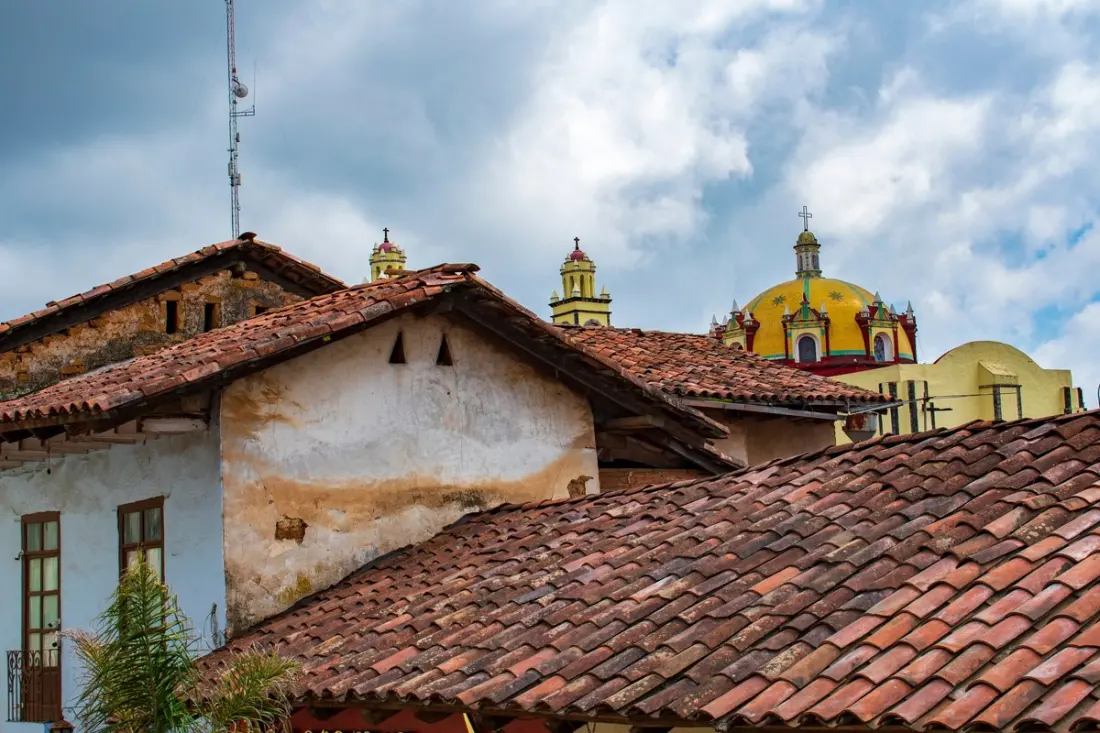
Drive a couple of hours out of Mexico City and you'll pass towns full of big, faded country houses — colourful gardens, mature trees, a pool and a terrace for long evenings. Many were built between the early 1950s and late 1970s as weekend retreats for professionals, officials and well-off families, some on plots dating back to the colonial era. They look idyllic, and they can be. But they also come with a story worth hearing before you buy.
These houses were usually left empty most of the week, tended only by a gardener and housekeeper until the family arrived on Fridays. Forty years on, the original owners have often passed away, and the property has landed with their children or grandchildren — people with careers of their own, no free time, and little appetite for a house that might be listed at several million pesos yet demand hundreds of thousands of pesos a year just to maintain. Empty structures decay quickly, however diligent the staff.
That's where heirs get stuck. Selling can be emotionally hard, siblings argue over costs, upkeep and asking prices, paperwork may be in poor shape after a parent's death, and HOA fees in gated communities keep climbing. Result: houses sit mostly vacant while families deliberate. Many heirs now try renting instead — short-term lets through Airbnb if the town draws tourists, or long-term tenants for steadier income with fewer headaches. Renters lured by "old-world charm" often find that charm comes with daily friction once they move in.
For buyers, this is the interesting part. These properties frequently occupy large plots with mature gardens and good views that you simply can't find on new developments, in established neighbourhoods with services already in place. The catch is money and patience. Budget well above the sale price for repairs and renovation, add a contingency, and negotiate accordingly — a fair price should reflect the state of the structures. And because several heirs often share title, expect slow, messy decision-making. If a seller doesn't jump at your full asking-price offer, the reason is usually internal family politics, not the number.
Some buyers skip all of it and build new on vacant land — modern standards, their own design. That's a legitimate path, but it means waiting years for trees to grow and neighbourhoods to mature. An older house, once restored, offers character and shade that money buys slowly at best.
One more lesson from the cycle: if you buy, plan for the next generation too, especially if your heirs live abroad. Leave clear instructions and make legal provision early, because these same dilemmas — contested sales, unclear titles, shared costs — are exactly what happens when nobody does.
For travellers and expats dreaming of a provincial retreat in Mexico's colonial towns, the takeaway is simple: the charm is real, the purchase is a renovation project, and the negotiation behind the sale is often more complicated than the sale itself. Patience, a realistic budget and a good local lawyer will get you further than falling in love with the pool.
Full story via Mexperience.