Qatar's tourism numbers are finally turning a corner — but not the way the country expected. A Skift analysis of Qatar Tourism data shows the recovery is being powered by cars crossing the Saudi border, not planes landing in Doha.
The contrast with earlier this year is stark. In March, international arrivals collapsed 82% year over year to just 63,000 visitors, the low point after the U.S.-Iran war upended travel across the region. By September, arrivals were up 1% annually, and October drew 336,000 international visitors — though still 10% fewer than the same month last year.
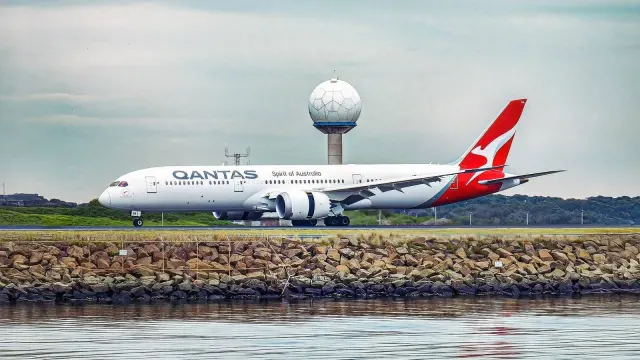
Zoom out and the damage remains visible. Qatar welcomed 2.95 million visitors in the first ten months of 2026, down from 3.9 million over the same stretch in 2025 — a 24% drop. But the composition of that traffic tells the more interesting story. Land arrivals, all of which funnel through Qatar's single land border with Saudi Arabia, grew 18% year over year in October. Air arrivals fell 19%, marking the eighth consecutive month of decline.
That split matters beyond the statistics. Fly-in visitors from long-haul markets typically stay longer and spend more per trip than Gulf residents driving in for a weekend. So even as total arrivals recover, a heavier reliance on regional road traffic means hotels and tourism businesses in Doha aren't yet seeing pre-crisis revenue patterns return. Qatar's tourism sector — which leaned heavily on fly-in traffic and the transit hub role of Hamad International Airport — is effectively being propped up by its neighbours for now.
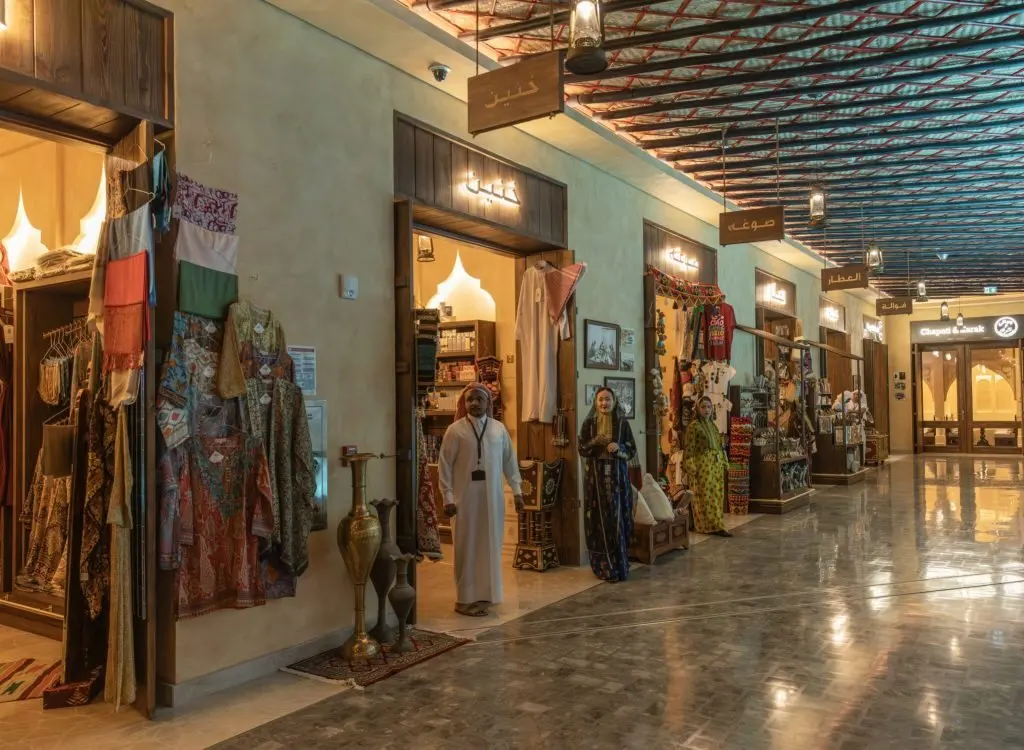
For travellers, the picture is a mixed but mostly encouraging one. Doha is open, functioning and welcoming visitors, and regional travellers are clearly voting with their wheels. Long-haul carriers are still rebuilding capacity, so flight options and fares may remain less favourable than before the conflict — worth factoring in if you're planning a trip that includes Qatar. On the flip side, if you're based in the Gulf, a road trip to Qatar via the Saudi crossing is currently the smoothest way in, and you may find Doha's hotels, museums and restaurants quieter than usual — which can be a plus.
Who should care? Anyone considering Qatar for the 2027 shoulder season or beyond should watch whether air arrivals stabilise in the coming months; the trajectory of those monthly figures is the best signal for when long-haul trips become easy again. In the meantime, Qatar's tourism story is a reminder that a border crossing can matter as much as an airport.