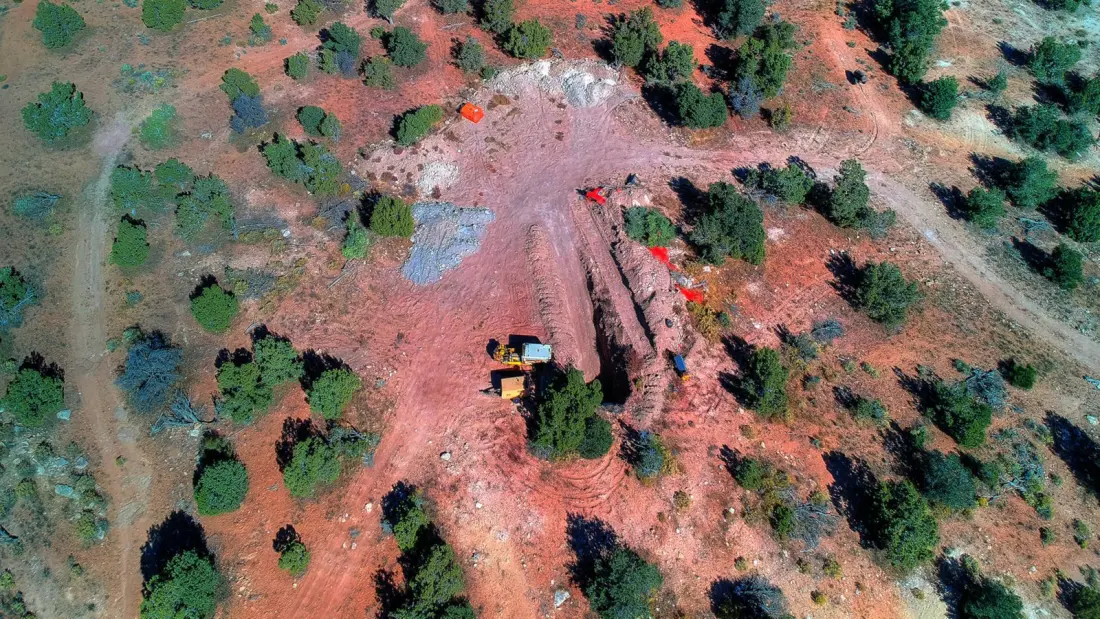
Sixteen new mining claims were filed across land cut from Bears Ears National Monument in Utah — and the timing was no accident. Records from the San Juan County Recorder's office show two mining interests staked the claims on September 11, the very day the Trump Administration's proclamation shrinking the monument took effect. Advocates say digging could begin within months.
Here's what happened. In July, an executive order shrank both Bears Ears and Grand Staircase-Escalante by more than 90 percent. The moment protections lapsed, George W. Schultz filed three claims in the Lockhart Basin area near the monument's northern edge, while Kimmerle Mining filed thirteen in the central-eastern sector. Two of Kimmerle's claims adjust the Easy Peasy Mine, a site that was closed and reburied after the Biden administration restored the monument's boundaries in 2021 — now the company wants it reopened.
The exact footprint is unclear. County data lists claims in 160-acre segments, but the Southern Utah Wilderness Alliance (SUWA) says most are likely between one and 20 acres. The catch, according to SUWA's Grant Stevens, is that claims can be amended and grow over time, and even small operations threaten ecosystems and cultural sites in an area dense with Indigenous archaeology.
Legal fights are stacking up. A coalition of environmental, archaeological and Indigenous nonprofits — joined by outdoor brand Patagonia — has sued, arguing the shrinkage exceeds presidential power under the Antiquities Act. Meanwhile, monument opponents, including Kimmerle managing member Kyle Kimmerle, have their own suit challenging Biden's 2021 restoration, which an appeals panel revived this June. Before any digging starts, the Bureau of Land Management must approve the claims and run an environmental assessment, and SUWA plans to fight those approvals — though its staff attorney, Hanna Larsen, concedes on-the-ground action within a few months is 'certainly possible.'
Why should hikers and road-trippers care? Lockhart Basin and the monument's backcountry corridors are classic Utah canyon-country terrain — remote routes between the Colorado River and Canyonlands' Maze District, rich in Ancestral Puebloan sites. New mines here could mean vehicle traffic, road building, noise and restricted access on land many travellers visit precisely for its quiet and cultural depth. If you've been putting off a Bears Ears trip, conditions on the ground may look noticeably different within a couple of years. For now, the trails remain open — but the future of this corner of southern Utah is genuinely up for grabs in the courts.