A light earthquake shook southern Kyrgyzstan in the early hours, according to the Institute of Seismology of the country's National Academy of Sciences. The tremor, roughly magnitude 3, hit at 2:21 a.m. local time, with its epicentre about 15 kilometres southeast of Nichke village and 62 kilometres southeast of Toktogul, the administrative centre of the district. Villages close to the epicentre — Kyzyl-Ozgeryush, Nichke and Sary-Bulak — felt the shaking at around magnitude 2, a level typically noticed as a gentle jolt rather than anything destructive. No damage or injuries have been reported.
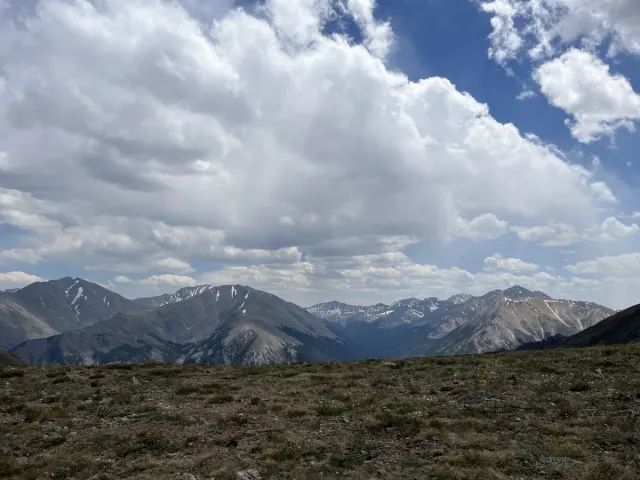
Quakes of this size are routine in Kyrgyzstan. The country sits in the Tien Shan mountains, one of the most seismically active zones in Central Asia, where the Indian and Eurasian plates keep grinding together. Small tremors like this one are recorded constantly, and most pass without locals giving them much thought. That said, the region has a serious seismic history — a massive earthquake in 1911 flattened parts of what is now northern Kyrgyzstan — so monitoring agencies here take even minor events seriously and publish details quickly.
For travellers, the epicentre lies in the Jalal-Abad region's hills near Toktogul, an area best known for the enormous Toktogul Reservoir on the Naryn River. The reservoir and the winding Bishkek-to-Osh highway that runs along it are a common stop for anyone road-tripping between Kyrgyzstan's two big cities, and the wider region is a launch point for hiking, fishing and village stays. There's no reason to change plans after a magnitude 3 event — roads, the dam and villages operate normally — but the news is a useful nudge for anyone trekking in remote parts of the country.
Practical takeaway: if you're heading into the Tien Shan, keep your accommodation briefing in mind (know where the exits are), note that phone coverage can be patchy in mountain valleys, and register with your embassy's travel programme if your government offers one. Earthquake details in Kyrgyzstan are published by the Institute of Seismology, and local emergency services respond quickly to reported events. Travel insurance that covers natural events is standard advice here, as it is anywhere in mountainous Central Asia.
Kyrgyzstan rewards the flexible traveller — alpine lakes like Song-Kul, the towering walrus-tusk cliffs of Jeti-Oguz, and Silk Road sites at Tash Rabat are all within reach. A gentle overnight shake near Toktogul is, for most visitors, nothing more than a story to add to the trip report.