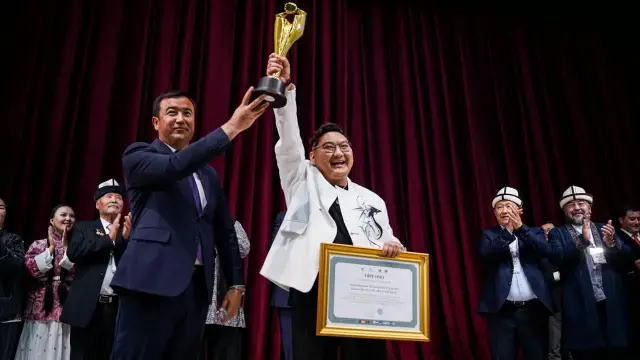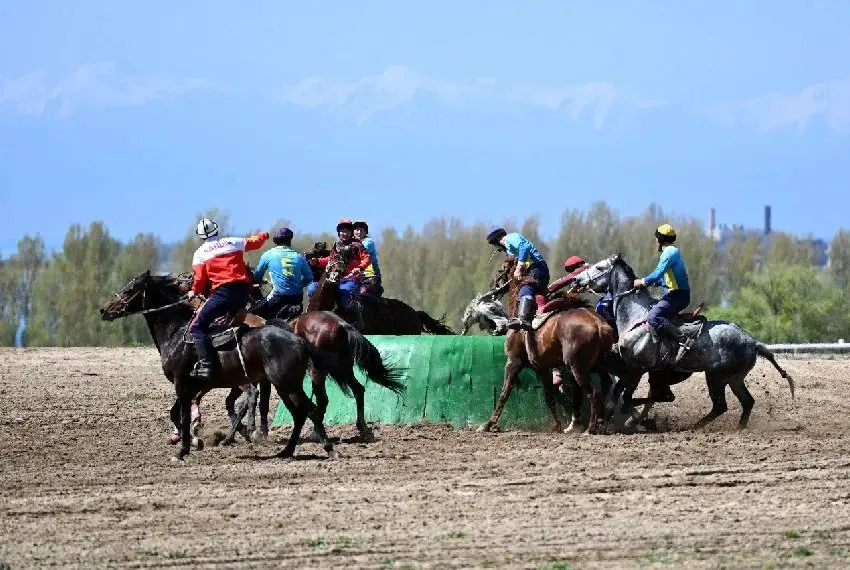
Chui region's team has won the Interregional Kok-Boru Championship, beating Talas 8-4 in the final at the Toloykon hippodrome in Osh on October 25. The tournament ran from October 21, with six regional teams split into two groups, and Osh and Issyk-Kul facing off for third place. The champions pocketed 1 million soms (roughly £9,000), with Talas taking 500,000, Osh 250,000 and Issyk-Kul 150,000.
If you haven't seen kok-boru, it's the region's most electrifying traditional sport: two teams of riders on horseback battle for control of a goat carcass, which they must carry or throw into a tall circular goal. It's fast, physical and loud — the Central Asian cousin of Afghanistan's buzkashi, and a fixture of Kyrgyz identity. The World Nomad Games, which Kyrgyzstan pioneered, helped push it to an international audience, but regional championships like this Osh one are where the sport feels most local.
Osh is a fitting stage. Kyrgyzstan's second city sits in the fertile Fergana Valley near the Uzbek border, anchored by the sacred Sulaiman-Too mountain, a UNESCO World Heritage site, and one of Central Asia's liveliest bazaars. The Toloykon hippodrome is a regular venue for horse games, and matches here draw passionate crowds of local fans rather than tour groups.
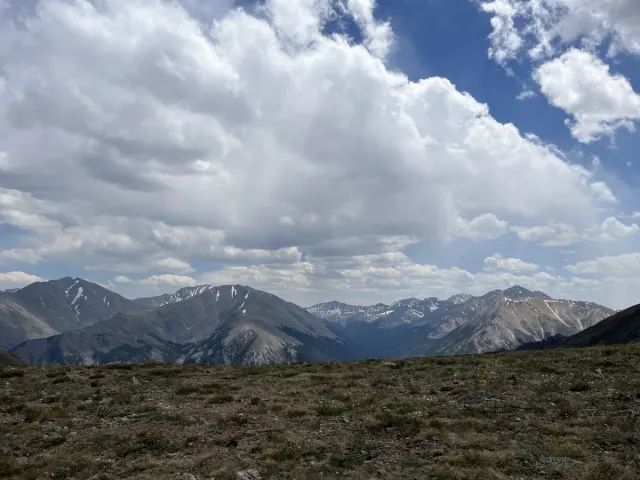
For travellers, this is a nudge to plan a trip around the horse calendar rather than stumble into one. Autumn works well in southern Kyrgyzstan: days are still mild, the summer crowds are gone, and the wrestling and horse-game season kicks off. Between matches you can overnight in a homestay, feast on plov and laghman, and use Osh as the launch point for the famous Pamir Highway or the Alay valley and Peak Lenin views.
Even outside tournament dates, many guesthouses and local guides can arrange to see kok-boru practice sessions or smaller village games, especially around holidays and weddings. Combine it with a hike in the Alay mountains and you get both sides of the country — the nomadic sporting tradition and some of the hardest hiking in Central Asia.
Who it's for: anyone drawn to Central Asia beyond the standard Silk Road checklist — culture travellers, photographers chasing action shots, and riders who want to see what genuine horsemanship looks like when a national title (and a million soms) is on the line.