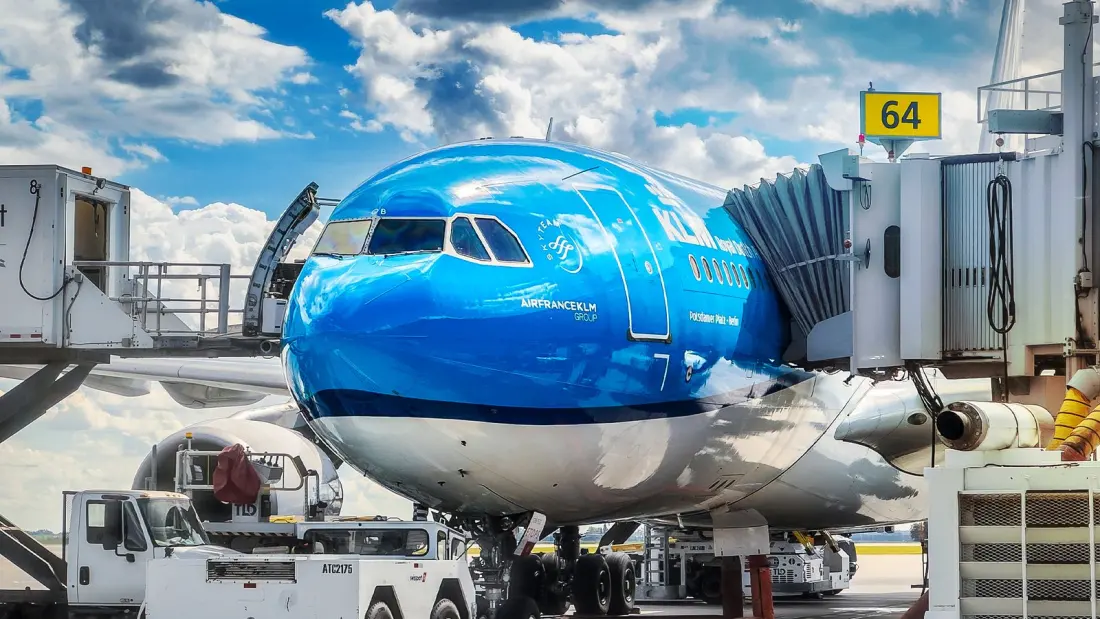
KLM has done something fairly rare in aviation: it is canceling flights months ahead of time on purpose. The Dutch carrier has told staff that selected services will be dropped between October 26, 2026 and early March 2027, so that more intercontinental aircraft can sit ready as reserves instead of leaving the airline scrambling when a jet goes unserviceable.
The logic is blunt. Rather than wait for an aircraft shortage to trigger same-day cancellations, KLM wants to make the cuts early, on routes where passengers can be rebooked easily, and protect everything else. Operations director Mathieu Essenberg admitted changing the schedule wasn't the preferred option, but said giving customers earlier notice creates more certainty and leaves the airline room to maneuver on the day. The move came after KLM scrapped at least five intercontinental routes at short notice over a single weekend.
So why is one of Europe's biggest network airlines short of planes? A mix of factors: unplanned maintenance, damage repairs, scheduled work overrunning, slow parts deliveries, and an aging fleet that takes longer to fix as it's phased out. On top of that, KLM's maintenance division was placed under intensified supervision by the Dutch regulator ILT in May, over slow completion and poor documentation of minor maintenance tasks — though neither the airline nor the regulator has linked that directly to the cancellations, and no safety issue has been reported.
There's a broader industry backdrop too. Engine maintenance capacity has been tight globally since the pandemic, with shop slots scarce and turnarounds slow — advisory firm IBA estimates a CFM LEAP engine averaged around 230 days out of service in 2025. Rolls-Royce says it has largely eliminated 'aircraft on ground' cases after boosting large-engine output, but KLM hasn't confirmed engine delays are behind its own problems.
The airline has sunk €7 billion into fleet renewal, and a new Airbus A350 — named 'The Night Watch' — has already arrived at Schiphol. But new types need trained crews, cabin fit-out and support systems before entering service, so the fresh metal won't fix a winter shortage. KLM's winter schedule covers 164 destinations through March 27, 2027; it hasn't said how many flights or which routes will be cut.
If you have a KLM booking for this winter, don't panic — the airline says it's targeting flights where rebooking is easiest, and the goal is fewer last-minute cancellations, not more. But check your booking status periodically, especially for long-haul routes, and pay attention if KLM publishes a list of affected services. Advance notice of a change is a good sign; a same-day cancellation despite the reserve fleet would suggest the plan isn't working. Essenberg expects stabilization by the autumn school holidays, which will be the first real test.
Story first reported via Simple Flying.