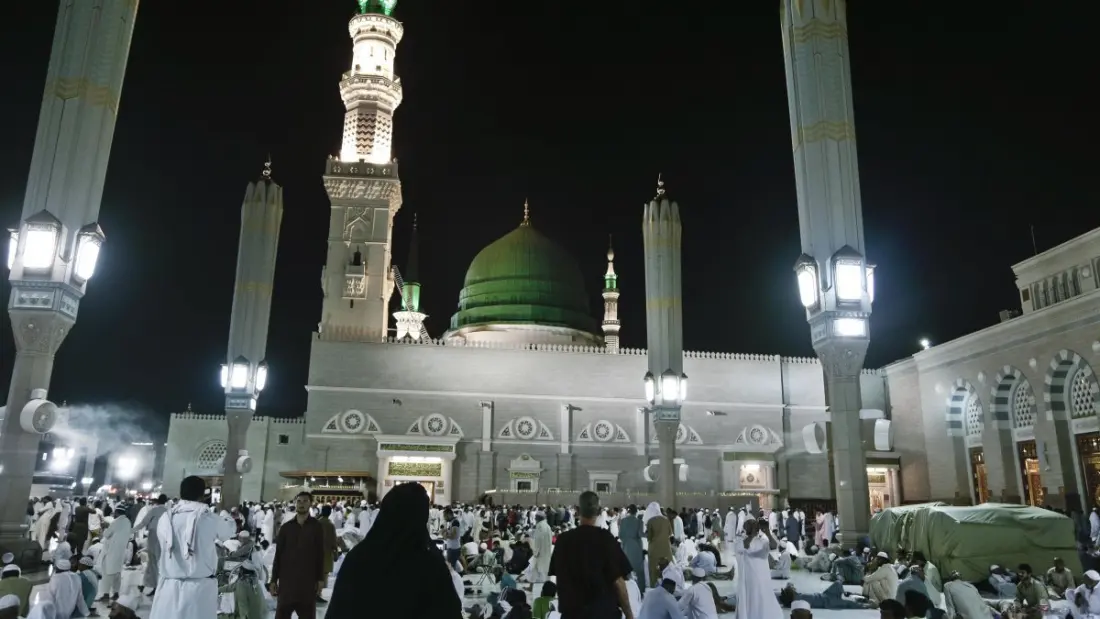
Saudi Arabia's air defences shot down a ballistic missile aimed at the Medina region on Thursday, according to the Saudi-led coalition fighting Yemen's Houthis. Coalition spokesman Turki al-Malki announced the interception minutes after the kingdom's civil defence agency issued a danger alert near the Red Sea port of Yanbu, though officials did not confirm whether the two events were linked.
Medina is one of Islam's holiest cities and draws millions of pilgrims and visitors each year, which is why the mere mention of it in an attack claim caused alarm. The Houthis were quick to reject the accusation, calling it a "blatant and grave falsehood" and insisting their operations only target oil facilities and military bases. The group has repeatedly stated it would not strike the holy cities of Mecca or Medina, even as its campaign against Saudi Arabia has hit airports, energy infrastructure and military sites over the course of the Yemen conflict.
The Yanbu alert is the more telling detail for anyone following the region. The civil defence agency said the National Early Warning Platform issued a warning in Yanbu Governorate about potential danger, and the port has been targeted several times in recent months. That is no coincidence: Yanbu sits at the western end of the East-West Pipeline, which lets Saudi crude bypass the Strait of Hormuz entirely. Since the Yemen war began, the port and pipeline have been central to Riyadh's ability to keep oil and fuel moving to global markets, making them a recurring focal point in Houthi attacks.
For travellers, the picture is mixed. Saudi Arabia has opened up dramatically to tourism in recent years, with e-visas, new resorts and ambitious Red Sea developments, and religious travel to Medina and Mecca continues at enormous scale. But this incident is a reminder that parts of the country, particularly the Red Sea coastline near key energy infrastructure, sit within range of a conflict that has not ended. Airports and airports' surroundings have been among the targets in past Houthi strikes, so flight disruptions are a real possibility when tensions flare.
Anyone planning a trip to Saudi Arabia should treat official guidance as the baseline: check your government's current travel advice for the kingdom, pay attention to civil defence alerts (the country runs an early warning system similar to those elsewhere in the region), and build flexibility into itineraries that involve the western coast or onward travel through the region. Pilgrims visiting Medina itself are unlikely to change plans based on a single intercepted missile, but knowing that Houthi capability remains active — and that the group's stated targets are energy and military sites rather than holy cities — helps put the risk in context.
The broader takeaway is that Saudi Arabia's tourism boom and its security situation are developing in parallel. Most visits proceed without incident, yet the conflict in Yemen still occasionally reaches Saudi soil or airspace. Staying informed, registering with your embassy where possible, and keeping an eye on announcements from Saudi authorities are sensible steps for any trip to the kingdom right now.
Story reported by Daily Sabah Travel, with AFP.