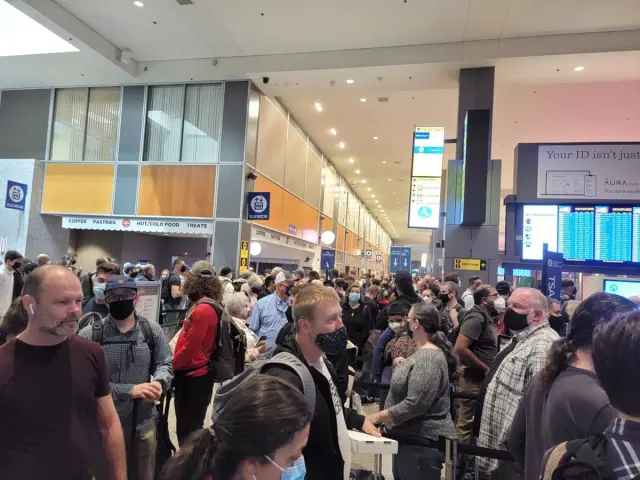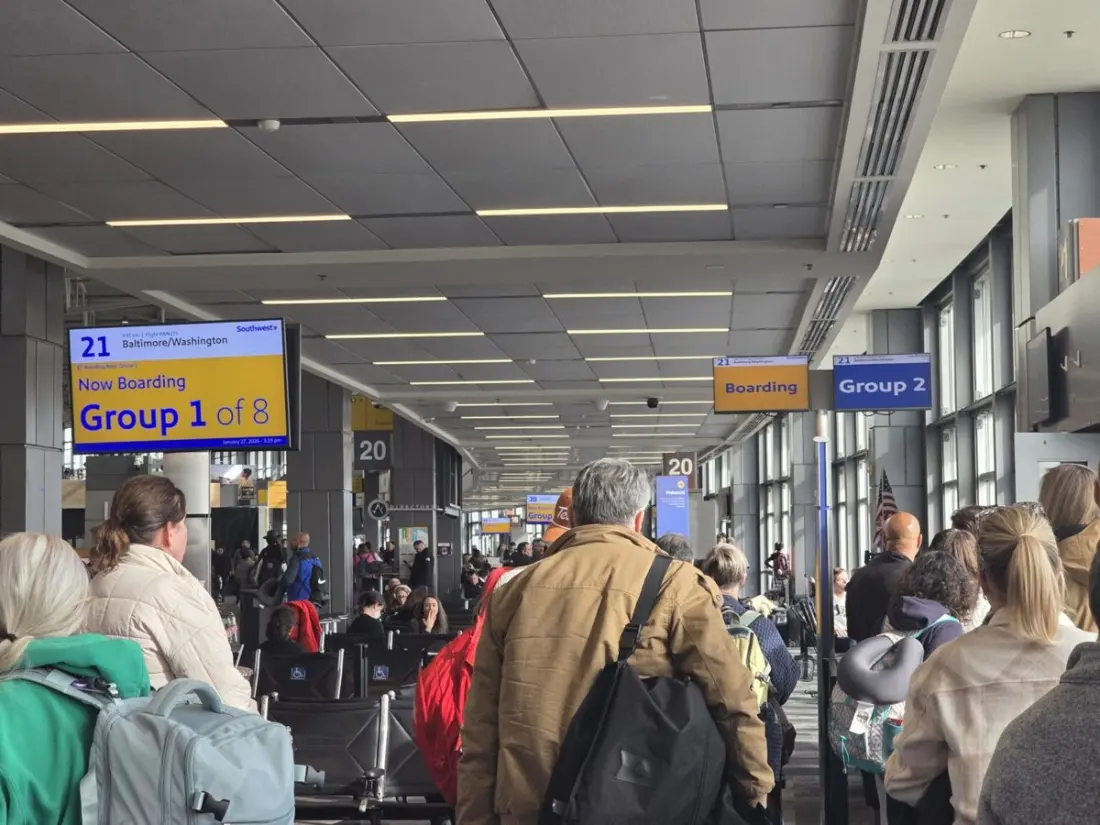
That person fumbling at the gate, blocking the aisle, confused about boarding groups? Statistically, that's most of the cabin. A November YouGov poll of 1,092 U.S. adults found 82% fly once a year or less — 34% said less than annually, 32% said never, and just 16% fly about once a year. Only a third had been on a plane in the past 12 months.
The numbers back up what frequent travellers suspect. American Airlines' president Scott Kirby noted back in 2015 that 87% of its customers flew the airline just once in the previous year — yet those infrequent flyers generated about half its revenue. In 2017, of every 100 American adults who flew, 24 took a single trip.
Why does this matter for the industry? Business travel used to make up roughly half of all U.S. air trips in the 1970s and 1980s; personal trips now account for 74%. When regulars vanished during the pandemic, so did the quiet competence of the experienced passenger — of 5,981 unruly passenger reports the FAA received in 2021, 4,290 involved mask disputes.
Flying has also never been cheaper or easier to book. Average domestic fares fell 37% between 1995 and 2025, from $618 to $387 in today's dollars, even before counting the shift toward à-la-carte fees. Still, access is uneven: in an earlier November poll, just 18% of people earning under $50,000 had flown in the past year, versus 66% of households at $100,000 or more. With tickets multiplied across family members, driving wins the maths — AAA expects 72.9 million Americans on the road this Thanksgiving and under 6 million flying domestically.
Interestingly, frequent and infrequent flyers agree on the pain points: high fares top the list for both groups (64% and 66% calling it a major problem), followed by delays, hidden fees and long security lines.
Where the experience diverges is everything around the ticket. Status holders board early and snag bin space; they rebook from their phone before reaching the agent. The once-a-year traveller faces sharper traps: a seat map full of surcharges and an eight-year-old potentially seated with a stranger; security rules that differ by scanner; a 40-minute connection that's really 25 once boarding closes 15 minutes before departure. Even airline procedure changes trip people up — Southwest's move to assigned seating after decades of open boarding caught out plenty of passengers who last flew when grabbing any open seat was fine.
For anyone heading home this Thanksgiving, the practical takeaway is simple: assume the rules have changed since your last flight, check the baggage and seat-selection policies before you book, and build in more connection time than feels necessary. And if you can travel the week before or after the holiday instead, you'll share the airport with a far more experienced crowd.