The night sky is becoming a headline act. In 2027, natural phenomena — from a once-in-a-lifetime eclipse to the northern lights at their most reliable in years — are reshaping where and when people book holidays, and pushing travellers to rethink the classic summer break entirely.
The big-ticket event is the total solar eclipse on August 2, 2027, the second-longest of the century. The path sweeps from the Atlantic through southern Spain, Morocco, Algeria, Tunisia and Libya before climaxing near Luxor, Egypt, where totality lasts six minutes and 23 seconds. Spectacular, but demanding: Luxor regularly tops 40°C in August, and mid-eclipse hits around 1pm. Plan for hats, water, industrial-grade eye protection, and consider a tripod time-lapse from the base of one of Luxor's temples — though lying back and simply watching works too. The stand-out place to stay is Al Moudira, a Lebanese-, Syrian- and Turkish-influenced resort on the Nile's West Bank.
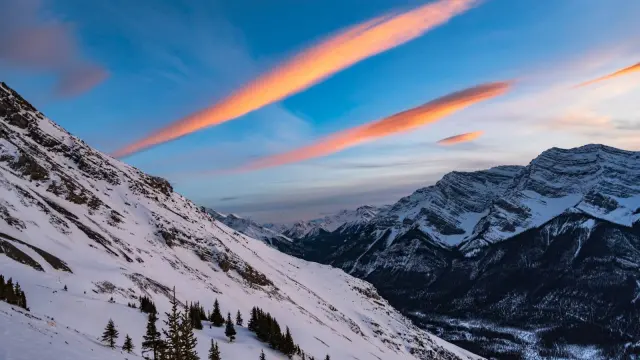
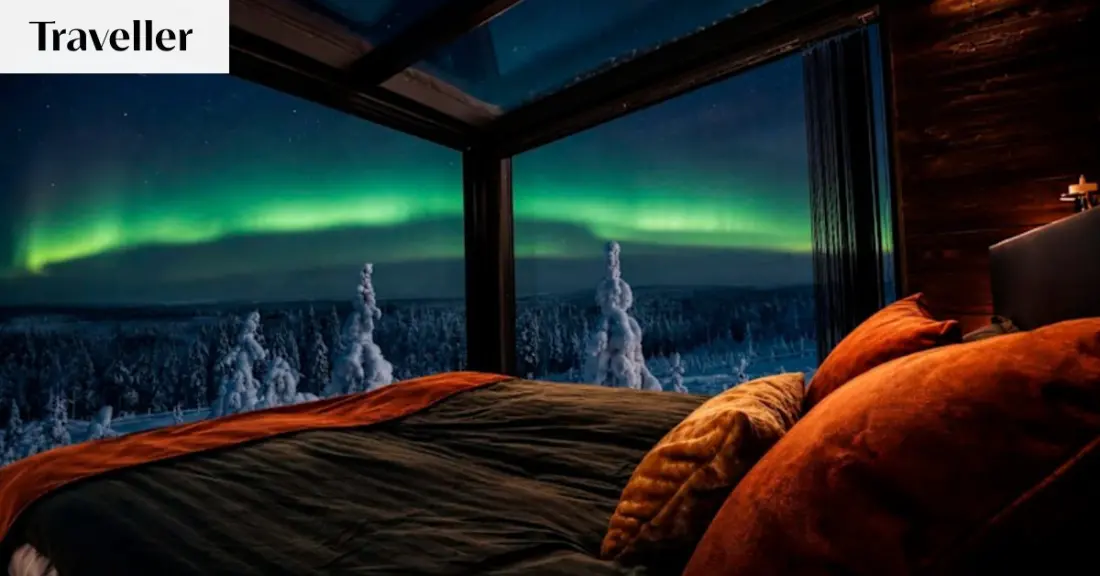
Aurora hunters get good news too. Astronomer Tom Kerss, Hurtigruten's chief aurora chaser, says the sun's post-maximum 'declining phase' brings more frequent sub-storms, producing vivid green, red and pink displays — best seen above roughly 67 degrees latitude in northern Norway, Sweden, Iceland and Finland. Hurtigruten and Havila Voyages run aurora sailings, while 50 Degrees North offers land-based itineraries. On the flip side of the light calendar, midnight-sun experiences are growing: 24-hour golf at Lofoten Links in Norway, glass-roofed Aurora Rooms at Arctic Lumo Resort in Finnish Lapland (now with an ex-Noma chef in the kitchen), and flight-free 'astro trips' by train with UK operator Byway.
Australia is a dark-sky powerhouse in its own right. Dark-sky tourism is now worth an estimated $10 billion globally, and Australia has the southern hemisphere's first International Dark Sky Park — Warrumbungle National Park in NSW, watched over by Siding Spring Observatory — plus three Dark Sky Sanctuaries: the Jump-Up at Winton, Queensland; Arkaroola Wilderness Sanctuary in South Australia, with six private observatories and a Ridgetop Sleepout; and Karlu Karlu/Devils Marbles in the Northern Territory, designated in August.
Heat is rewriting summer plans. With a strong El Nino expected to persist into 2027, travellers are swapping scorching Mediterranean beaches for cooler options: Mongolia's high country, Sapa in Vietnam, Yunnan in China, Hokkaido's alpine summers, the Canadian Rockies, Alaska and the US Pacific north-west. If Europe in summer is non-negotiable, the advice is go Nordic or travel in shoulder season. Related is 'last-chance tourism' — seeing fragile places like Antarctica, Borneo's orangutan habitat and the Great Barrier Reef — best done responsibly, say with B Corp-certified Aurora Expeditions, whose 21-day South Georgia, Falklands & Antarctic Odyssey starts from $45,467 a person twin share. Australians can also embrace the cool alternative to the beach: Victoria's High Country, with its upgraded Murray to Mountains Rail Trail, wildflower walks and the gruelling 30-kilometre climb to Mount Hotham. Even wet seasons are being reframed — Angkor Wat reflected in rain-fed moats, Iceland's roaring waterfalls, Japan's hydrangea season — proof that the weather itself can be the attraction.
Credit: Traveller (Sydney Morning Herald)