Anyone who travelled to Nepal in the cold months of the 2010s remembers it well: hours-long power cuts, hotels running noisy diesel generators, and headlamps becoming essential packing list items. Those days mostly ended, but winter still puts pressure on the grid — rivers that drive Nepal's hydropower plants slow to a trickle when temperatures drop, just as demand for heating spikes.
That is why the latest move by the Nepal Electricity Authority matters. The authority will import electricity from India for the winter season, plugging the seasonal gap with a steady supply from across the border. India's Central Electricity Authority has approved the import of 350MW, and the arrangement runs until 31 July 2027 — so this is not a one-winter stopgap but a multi-year commitment.
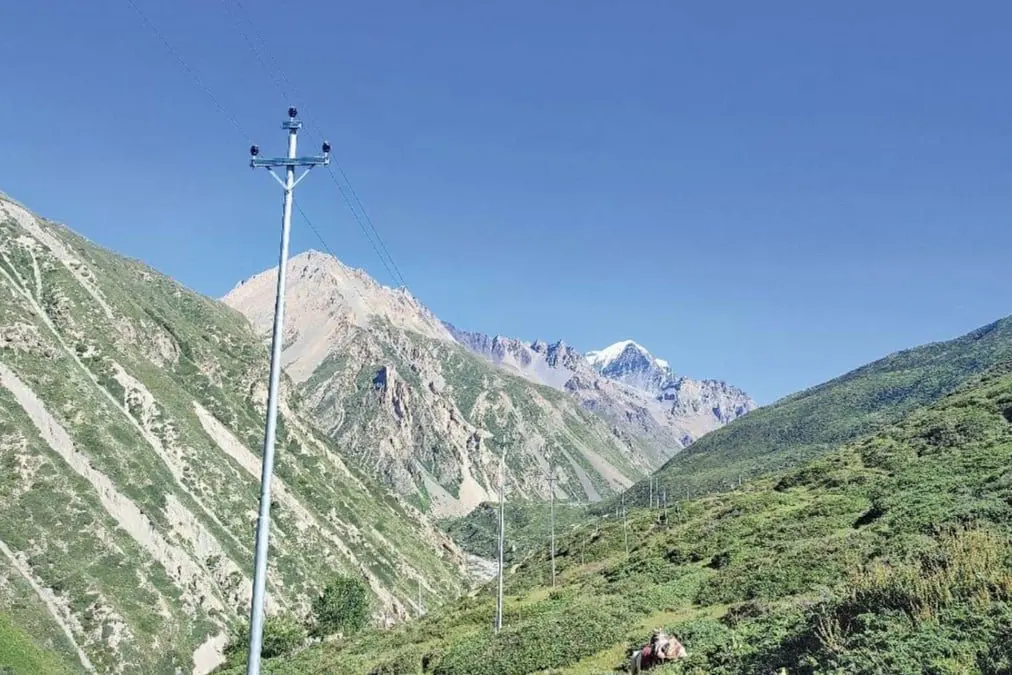
The power will flow over existing 132-kilovolt transmission lines at several border crossings, including Kataiya–Kushaha, Ramnagar–Surajpura, Raxaul–Parwanipur and New Nautanwa–Mainahiya. These crossings sit along Nepal's southern border with the Indian states of Bihar and Uttar Pradesh, the same corridor where much of the two countries' energy trade already happens.
The arrangement reflects how Nepal's energy story has flipped in recent years. During the dry season the country leans on imports; once the monsoon swells the rivers, Nepal's hydropower plants often generate a surplus, which is now exported back to India. The winter imports are the other half of that seasonal balancing act.
So why should a holidaymaker care? Reliable electricity quietly shapes a trip. It means guesthouses in Pokhara and mountain lodges on the Annapurna or Everest trails can keep lights on, charge your devices, and heat rooms without firing up generators. It means fewer evenings cut short by blackouts, and quieter nights without generator drone in the valleys. For trekking season — which overlaps with the winter power crunch — it makes tea-house stays more comfortable than they were a decade ago.
Winter is, in fact, one of the best times to be in Nepal: clear skies, crisp mountain views, and far fewer crowds than the autumn peak. With the grid on a firmer footing, the main reason to hesitate — dodgy power supply — carries less weight than it used to. Pack layers for the cold, not a power bank the size of a brick.