Kathmandu's autumn cultural calendar gets a cinematic boost this month: the European Union Film Festival (EUFF) Nepal is back for its 15th edition, bringing 28 films from 11 countries to screens in Kathmandu on 21-22 November before moving to Janakpur on 28-29 November.
The programme mixes political documentaries, animated folklore and intimate dramas about family, gender and daily life. It includes 12 European features, a six-film selection from BAFTA, a shorts strand and nine Nepali student films, plus 'Clay Bird', a Nepali animated production from studio Incessant Rain. That blend of imports and homegrown work is deliberate — festival director Prasuna Dongol says the event has long been a meeting point for European and Nepali cinema, and this edition aims to keep challenging audiences while giving new local voices a platform.
The most encouraging part of the line-up, according to curator and filmmaker Rajeela Shrestha, is the student showcase. The nine selected films tackle migration, gender, education, unemployment and social expectations in Nepal — themes that give visitors a sharper, more personal view of the country than any guidebook. Shrestha says she was struck by the maturity of the ideas and the care with which the young filmmakers approached their stories. The student jury also includes filmmakers Prabhat Gurung and Suzana Shrish, while Pragyan Thapa Ghimire, founding editor of the online archive The Nepali Cinematheque, sits on the European selection committee.
For travellers in Nepal in late November, the festival is an easy win: screenings are short, free or cheap compared with typical tourist activities, and they double as a window into how young Nepalis see their own country. Kathmandu audiences get first access, but the Janakpur screenings give the Terai city — a pilgrimage hub with its own Maithil culture — a cultural event of its own, and could pair nicely with a trip to the Janaki Mandir temple complex.
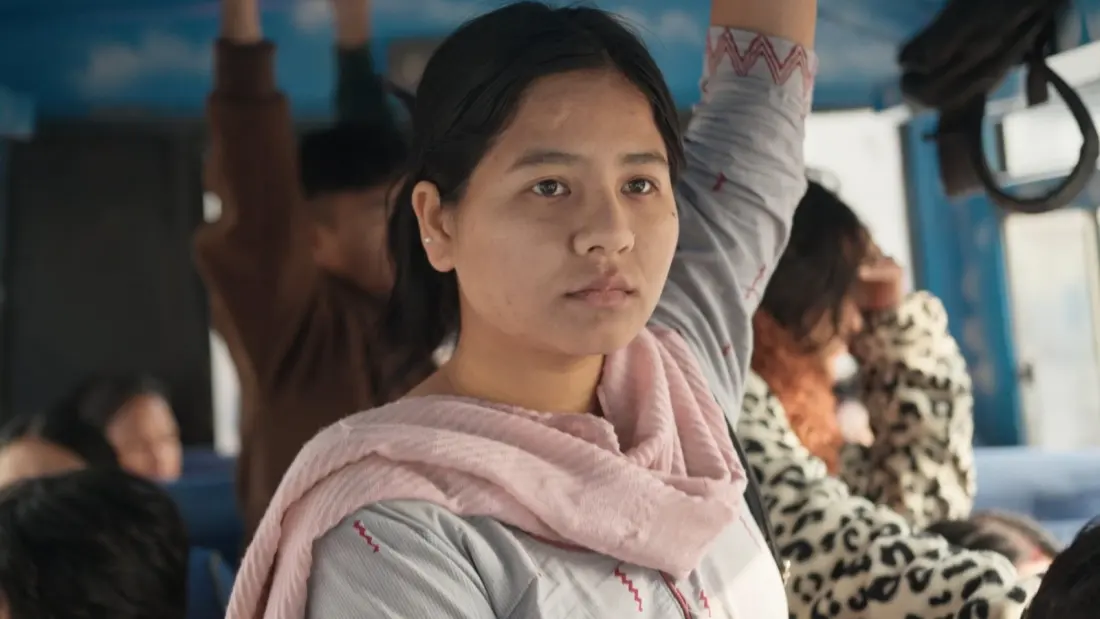
Fifteen editions in, EUFF Nepal has become one of the country's steadier cultural fixtures, and this year's genre-hopping selection — from a Russian classroom to an Irish folklore forest to a Kathmandu bus ride — makes a case for catching at least one screening between temple visits and mountain views.