Nepal's government has approved a $49.9 million programme running from 2026 to 2033 to cut the risk of glacial lake floods and modernise the country's weather infrastructure. The plan targets three of the biggest high-altitude lakes — Tso Rolpa, Imja and Thulagi — where water levels will be artificially lowered to reduce the danger of a sudden outburst rushing downstream into populated valleys.
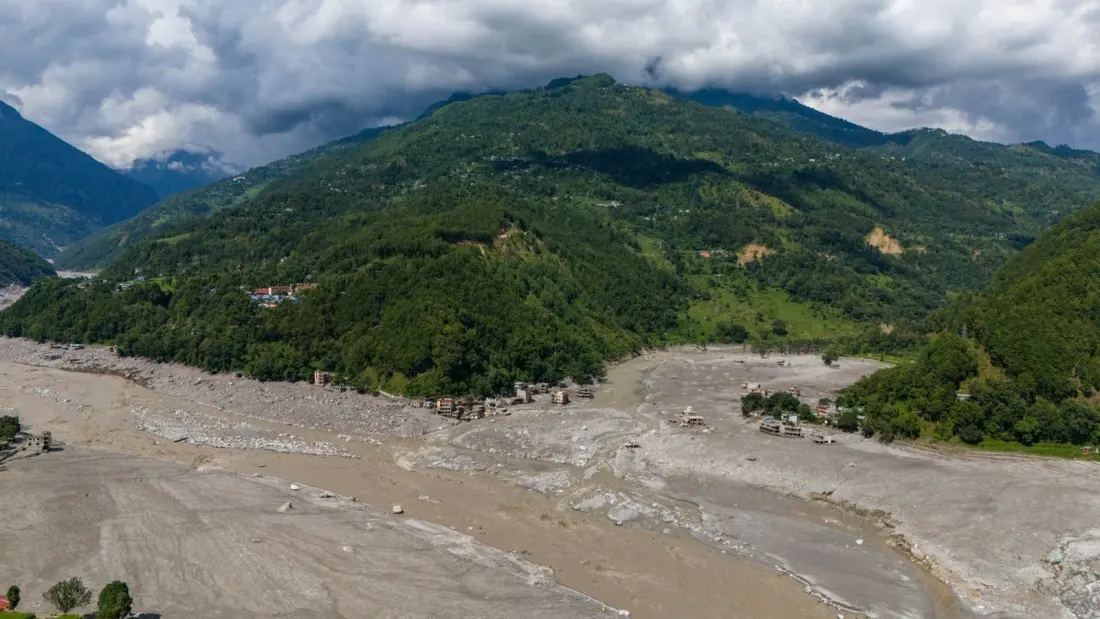
Glacial lake outburst floods, often shortened to GLOFs, are one of the Himalaya's most serious hazards. As glaciers melt faster in a warming climate, lakes held back by loose moraine dams can burst with little warning, sending walls of water, rock and debris down river gorges. Trails, bridges, villages and hydropower projects sit directly in the path of several of these waterways, which is why the government is pairing lake engineering with better forecasting.
That second half of the plan is where the day-to-day change will show. Around 503 manually read weather stations are due to be automated, meaning faster, more reliable data feeding into forecasts. Three ageing Doppler radars — in Surkhet, Palpa and Udayapur — will be repaired, and a new X-band radar will be installed to give the Kathmandu Valley proper coverage. For a country where weather can swing from clear skies to monsoon deluge in hours, and where a wrong forecast can mean a stranded trek or a washed-out road, that is a meaningful upgrade.
For travellers, the timing matters. Nepal's monsoon season (roughly June to September) regularly brings landslides and flash floods that close highways and hit trekking routes, and incidents linked to glacial lakes — including at peaks like Everest, where the Imja glacier sits — have prompted agencies to reroute or cancel itineraries. More reliable alerts and radar coverage should mean earlier warnings for people on the trail and in river valleys, and fewer hours spent guessing whether a bus route is passable.
If you're trekking in the Everest region, Langtang or areas downstream of these lakes, the practical takeaway is that conditions data should steadily get better over the coming years — but don't treat it as a reason to drop caution. Check official bulletins from the Department of Hydrology and Meteorology before setting out, travel with guides who monitor alerts, and build flexibility into monsoon-season itineraries so a washed-out road or evacuation order doesn't wreck your trip. The investment is real and welcome; the risk hasn't gone away.
Reported by Nepali Times.