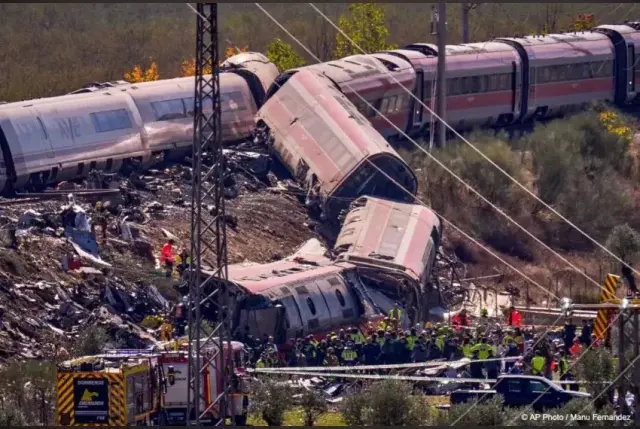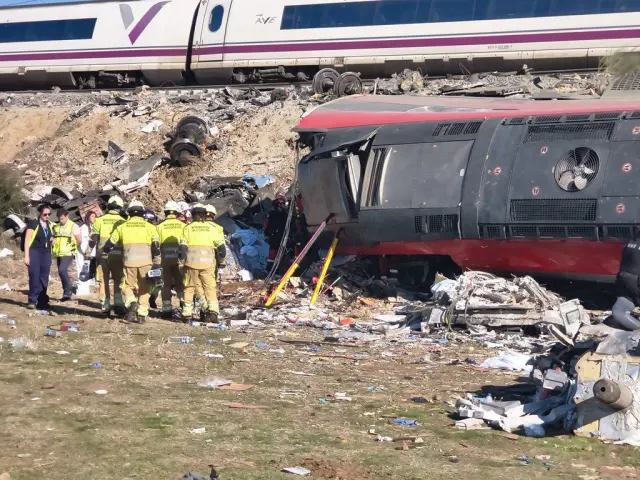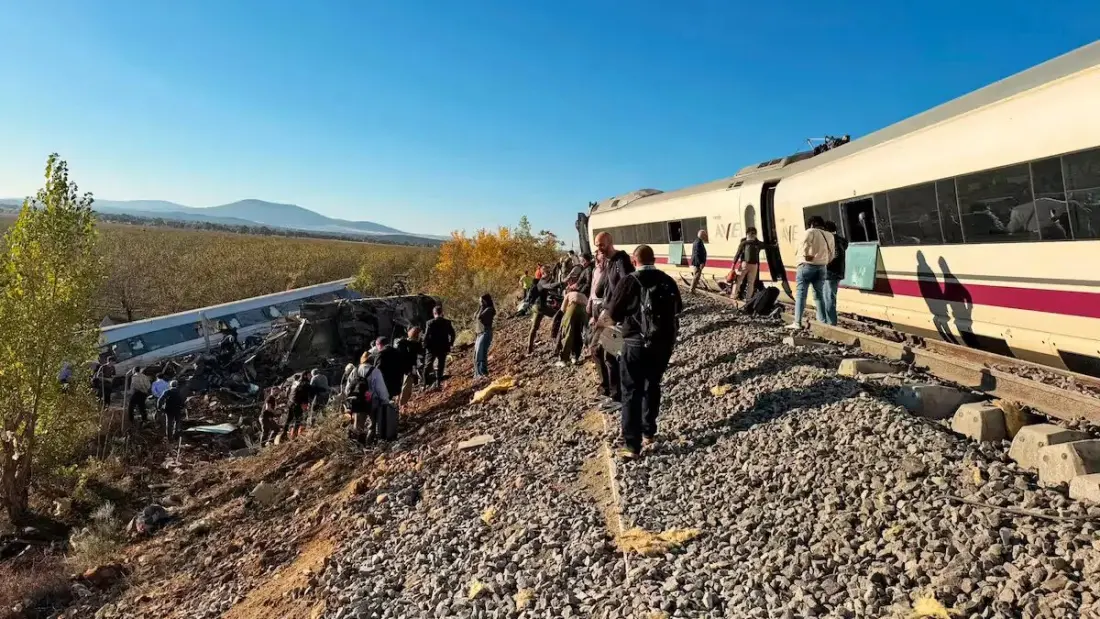
A head-on collision between two trains near the town of Urda in Toledo province has killed at least 64 people, with the toll climbing sharply through the day — from around 30 mid-morning to 64 by 2pm local time. Scores more were hurt, and regional officials in Castile-La Mancha say 15 of the injured are in a very serious condition.
According to reports, a train operated by the private carrier Iryo was stationary or moving slowly when it was struck by a high-speed AVE service run by Spain's national operator Renfe. Emergency services received the first alert at 8.45am. Witnesses described passengers being thrown into the air on impact, and rescue work continued along the line for hours afterwards.
The crash has already prompted a response from across the border. Portugal's infrastructure ministry, led by Miguel Pinto Luz, has offered Spain the support of its railway bodies — operator CP, infrastructure manager Infraestruturas de Portugal, and the country's rail accident investigation office — alongside formal condolences to victims' families.
Worryingly, this is being reported as Spain's third rail disaster of 2026. In January, two high-speed trains collided near Adamuz in Córdoba province, killing more than 40 people, and days later a commuter train derailed near Barcelona, killing the driver and injuring 37. No official cause has been given for the Toledo crash, but Spain's train drivers' union Semaf has raised safety concerns before: in August 2025 it wrote to rail infrastructure manager Adif asking for maximum speeds on high-speed lines to be cut from 300km/h to 250km/h, saying some stretches were vibrating and stressing the track.
For anyone planning to travel around Spain by train, this is a developing situation. The affected line is the busy high-speed corridor linking Madrid with Andalusia — one of the country's most-used routes, serving cities like Córdoba, Seville and Málaga. Renfe and Adif typically post service disruptions on their websites and apps, and ticket-holders on suspended routes are usually offered rebooking or refunds. If you have a Spanish rail trip booked in the coming days, check your operator's status page before setting out and expect delays or replacements on Madrid–Andalusia services while investigation and recovery work continues.
Spain's high-speed network remains one of the largest in the world and carries millions of passengers a year, and these events are rare relative to the volume of traffic. Still, the pattern of incidents in a single year — and the union's warnings about track wear at very high speeds — has put the network's safety under fresh scrutiny, and investigations into the Urda collision will likely focus on exactly those questions.
Our thoughts are with everyone affected by the crash.