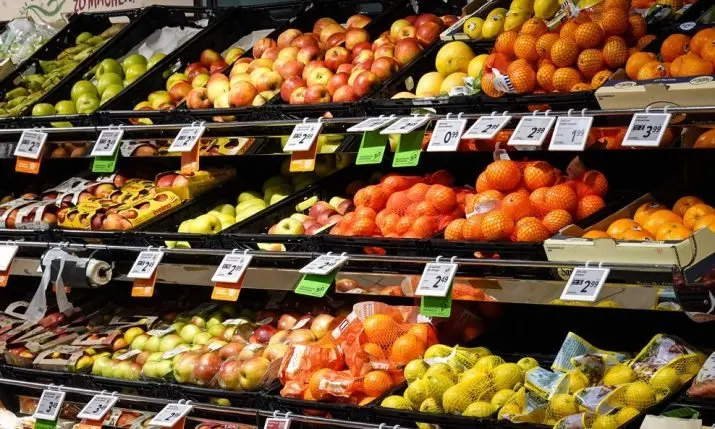
Croatian mandarins have quietly become an export story. Boxes weighing 10 kilograms are selling in Germany for €25 to €30 through private sellers, some of whom even deliver to buyers' doors. That works out at roughly €2.50 to €3 per kilo — a modest price that has helped fruit from the Neretva Valley reach shoppers well beyond Croatia's borders.
The Neretva Valley, in Croatia's far south near the border with Bosnia and Herzegovina, is the country's mandarin heartland. Every autumn the region's groves produce a sweet, easy-peeling fruit that Croatians treat as a seasonal ritual — bags of them disappear at markets, on beaches and in offices from October onwards. Growing demand from German buyers is a welcome boost for local producers, who now have a second market during harvest season.
For travellers, the fruit is reason enough to time a Dalmatian trip to late autumn. The mandarin harvest brings roadside stalls and a cheerful, low-key festival atmosphere to towns around the delta, and the fruit itself is genuinely good: rich in vitamin C, fibre and antioxidants, with a medium mandarin clocking in at only 35 to 50 calories.
If you're picking your own — at a Croatian market or a German pop-up — a few practical checks help. Weight matters more than looks: a mandarin that feels heavy for its size will be juicy, while a suspiciously light one is often dry. The skin should be intact, with no mould, damp patches or broken areas, and the fruit should feel firm with a slight give under gentle pressure. Soft spots, leaking juice or an off smell mean it's past its best. If you're buying net bags, inspect the fruit underneath as well as on top. And don't judge by shape — a mandarin's form tells you nothing about sweetness or whether it's full of seeds.
The German demand is a small story with a nice travel footnote: one of Croatia's most local seasonal pleasures is now travelling north, and the fruit in your Christmas-market paper cone may well have grown on the Neretva delta.