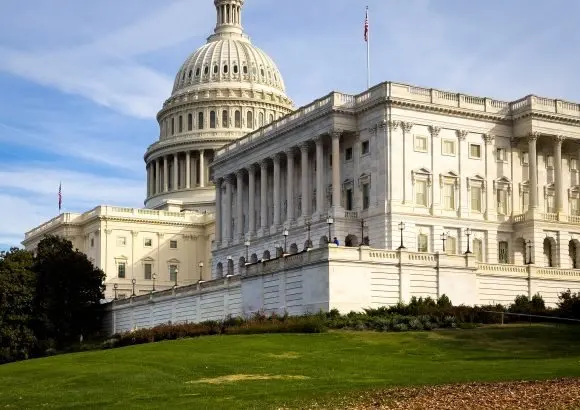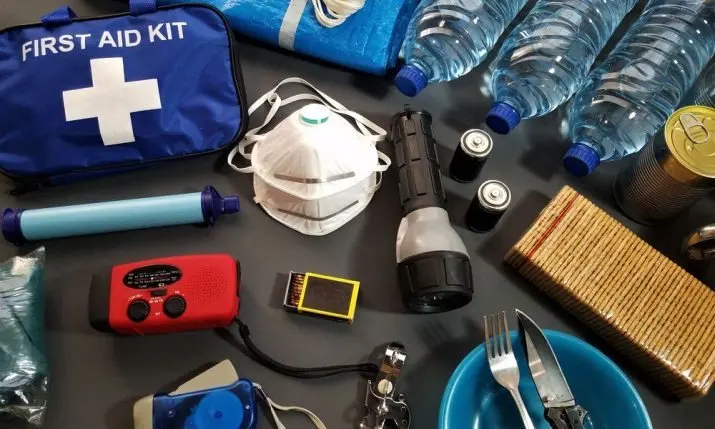
The European Commission has told households across the bloc they should be able to cope on their own for at least 72 hours if disaster strikes. The advice, unveiled by Commissioner Hadja Lahbib at the European Civil Protection Forum, is part of the wider Preparedness Union Strategy — and while it is aimed at residents, it's quietly useful reading for anyone heading to Europe on holiday.
The thinking is simple: in the first days of an earthquake, flood or major infrastructure failure, emergency services may be stretched thin, and waiting for official help could mean waiting a while. The guidelines therefore ask people to keep enough water, food and essentials to get through three days without power, running water or transport, ideally with a ready-to-go emergency bag packed.
Four themes run through the recommendations. Beyond the 72-hour self-sufficiency rule, the Commission wants emergency preparedness worked into primary school education, proper inclusion of people with disabilities in planning, and clearer, more reliable communication from authorities before, during and after a crisis. Nothing here is legally binding — no one is going to inspect your suitcase — but national governments are expected to turn the advice into practical public guidance.
There's a symbolic date too: an annual European Preparedness Day, with the first edition pencilled in for October 2027.
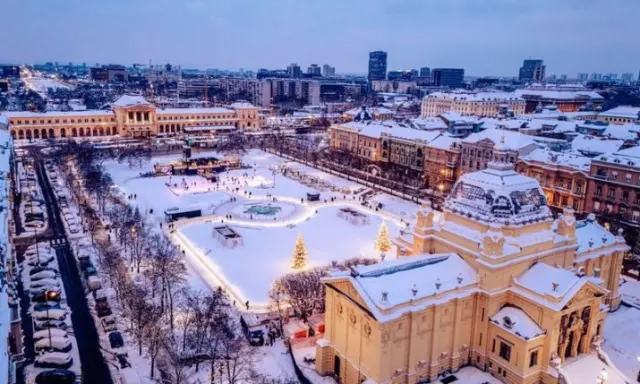
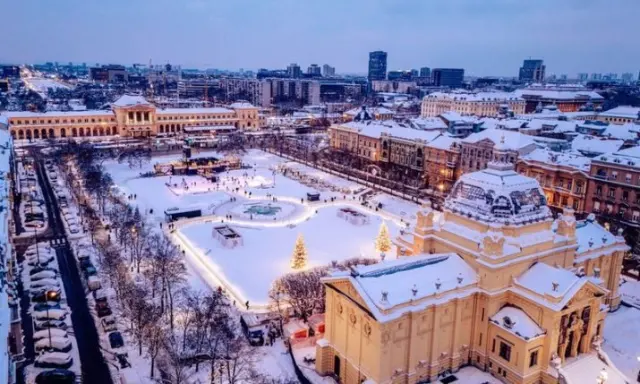
Croatia gets a specific mention, and for good reason. The country has had a rough run in recent years, including damaging earthquakes in Zagreb and the Sisak-Moslavina region, plus regular wildfires, floods and severe storms along the coast. For travellers, that's a reminder that natural events can disrupt a trip — a summer road trip down the Dalmatian coast can run into wildfire-related closures, and winter city breaks in Zagreb can meet the occasional heavy quake or storm.
What should a visitor actually take from this? Mostly awareness rather than packing a survival kit. Know the emergency number (112 across the EU), keep a charged phone and a little cash on you in case card systems go down, and have a rough idea of what to do if your accommodation loses power or water for a day. If you're travelling during wildfire or storm season, a quick check of local news and weather warnings goes a long way.
The broader message from Brussels is that short disruptions are increasingly normal, and a bit of foresight — whether you live in the EU or are just passing through — beats scrambling when something goes wrong.
Via Croatia Week.