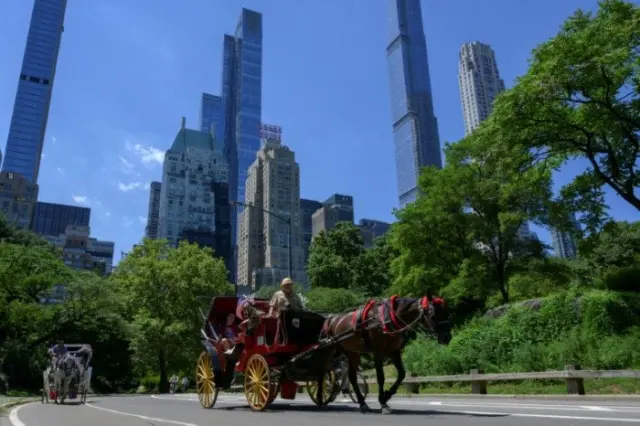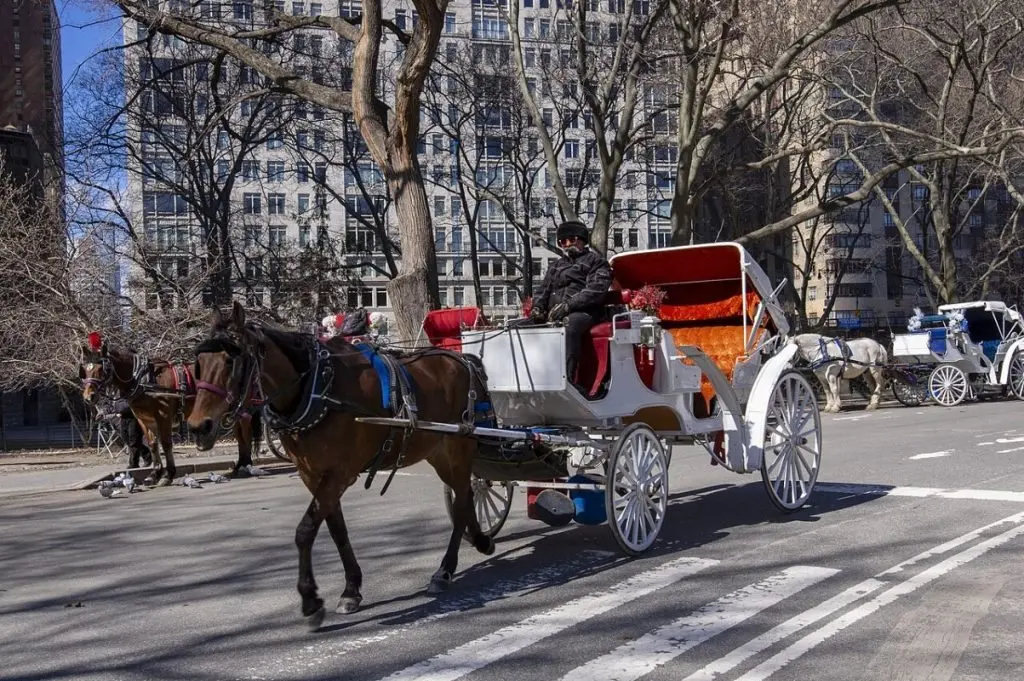
One of New York City's most enduring tourist traditions is on its way out. The City Council has passed a bill that will phase out the horse-drawn carriage industry by mid-2028, closing the book on more than 165 years of horses clopping through Manhattan, mostly around Central Park.
The carriages have been a fixture of the New York visitor experience for generations — the ride around Central Park was marketed to tourists worldwide, and drivers long considered it part of the city's folklore. One veteran driver and stable manager, Conor McHugh, told a hearing earlier this year that people travel from all over the world specifically for a carriage ride in the park.
But the industry has faced decades of criticism over animal welfare and safety, with repeated attempts to ban it stalling at City Hall. That changed this year. The death of Romanch Mahajan, a teenage tourist from India, in June — after a carriage horse ran loose — reignited the campaign to end the practice, and the council finally voted it through.
What happens to the drivers and horses is part of the transition the city will now have to manage, but for travellers the practical takeaway is simple: if a carriage ride has always been on your New York wishlist, you have a window of roughly a year and a half before the last horse retires. After mid-2028, the Central Park carriage trade as we know it will be history.
The news also reflects a broader shift in how cities think about animal-based tourism. New York is not the first place to rethink horse-drawn attractions, and the welfare concerns raised here — heat, traffic, and the stress of working animals in a dense urban environment — apply elsewhere too. Expect similar debates in other major cities as travellers increasingly factor animal welfare into their choices.
For anyone planning a trip in the meantime, the carriages operate around Central Park's southern edge, with prices set by the city and rides following fixed routes through the park. Alternatives that don't involve animals — walking tours, bike rentals, or a rowboat on the park lake — cover much of the same ground. And Central Park itself, carriage or no carriage, remains the main event: 843 acres of designed landscape that rewards a slow wander far more than a quick ride.
Whether you see the ban as long overdue or the loss of a beloved ritual, it marks a genuine changing of the guard for New York tourism. The horses that have appeared in countless films, postcards and marriage proposals will take their final park loops by the middle of 2028.