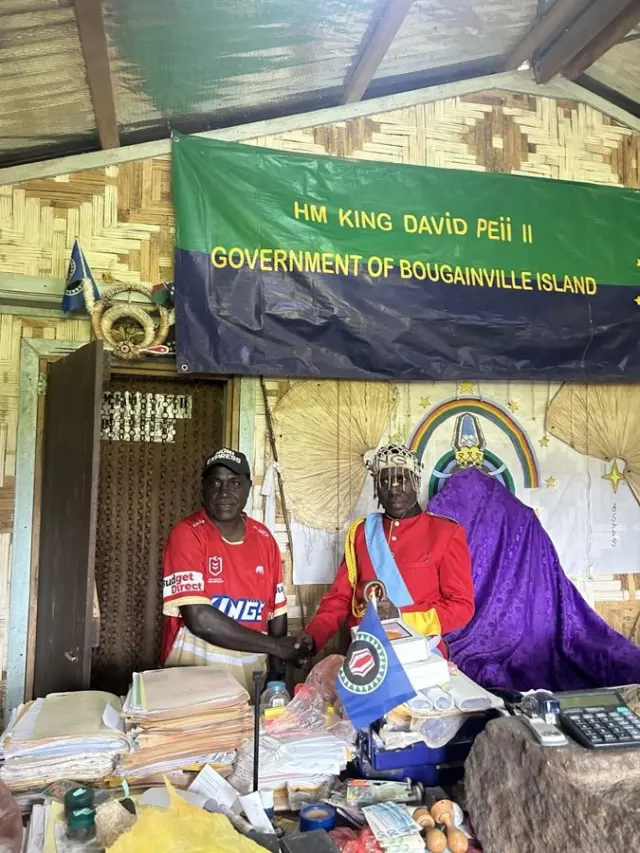
Bougainville, the autonomous island region at the far eastern edge of Papua New Guinea, has spent decades trying to become its own country. This week that ambition hit a wall: PNG's parliament is debating whether to ratify the island's 2019 referendum, in which close to 98% of voters backed independence. The catch is a deliberately steep bar — ratification now needs three-quarters of all MPs rather than the usual two-thirds, and observers in both Port Moresby and Bougainville expect the result to be voted down.
The stakes come from a bitter history. The 2019 vote was promised under the 2001 Bougainville Peace Agreement, which ended a decade-long civil war that killed as many as 15,000 people. The conflict traces back to the Panguna mine, once one of the world's biggest gold and copper operations. Rio Tinto and other investors pulled nearly $2bn out of it between 1972 and its closure in 1989, while landowners saw under 1% of the profits and enduring river pollution. Sabotage by those landowners sparked the blockade and the war.
Now Bougainville's president, Ishmael Toroama, says the island will move to self-government on 1 September 2027 and declare full independence by 2030 regardless of how parliament votes. His government wants a reopened Panguna mine — still holding an estimated $60bn in reserves — to bankroll the new state. That plan is already contested: last month around 30 armed men torched nearly 40 vehicles and machines belonging to the new contractor, India's Lloyds Metals and Energy. Analysts at the Lowy Institute read the attack as damaging but not a return to war, predicting both sides will eventually return to talks.
Opinion in the PNG parliament is split. Dr Allan Marat, chairing a bipartisan committee on Bougainville, told MPs the island had met every condition of the peace deal and should be allowed to go. Former deputy PM Belden Namah, a veteran of the conflict, pushed back hard, framing the vote as a question of sovereignty and the survival of PNG as one nation.
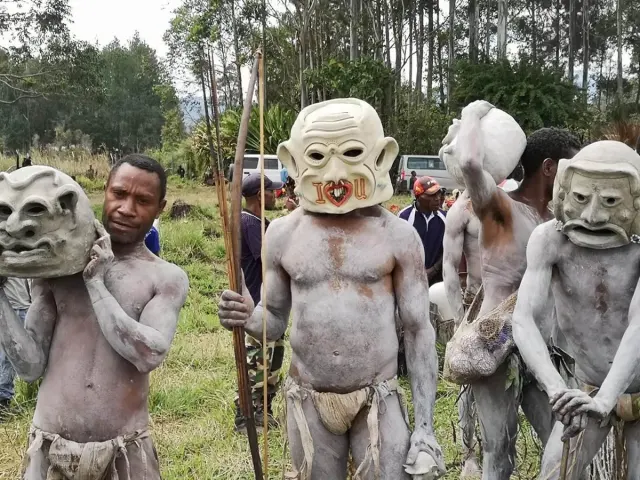
Why should travellers care? Bougainville — culturally distinct from the rest of PNG, home to about 300,000 people and roughly 1,000km from the capital — is one of the Pacific's most intriguing and least developed destinations, with WWII relics, jungle-covered volcanoes and world-class diving. Anyone considering a visit should watch these proceedings closely: the political mood, security around the Panguna site and travel logistics could all shift sharply over the next few years, especially if self-government proceeds in 2027.