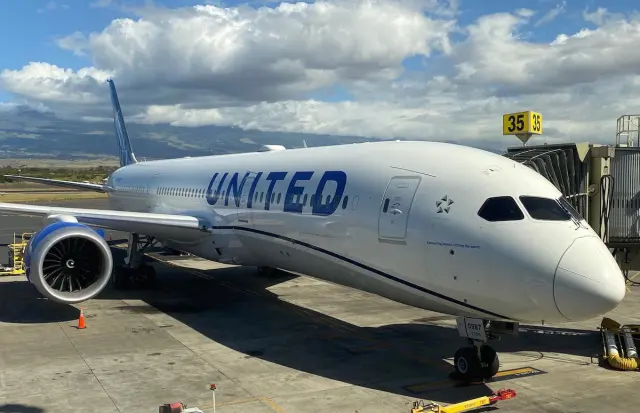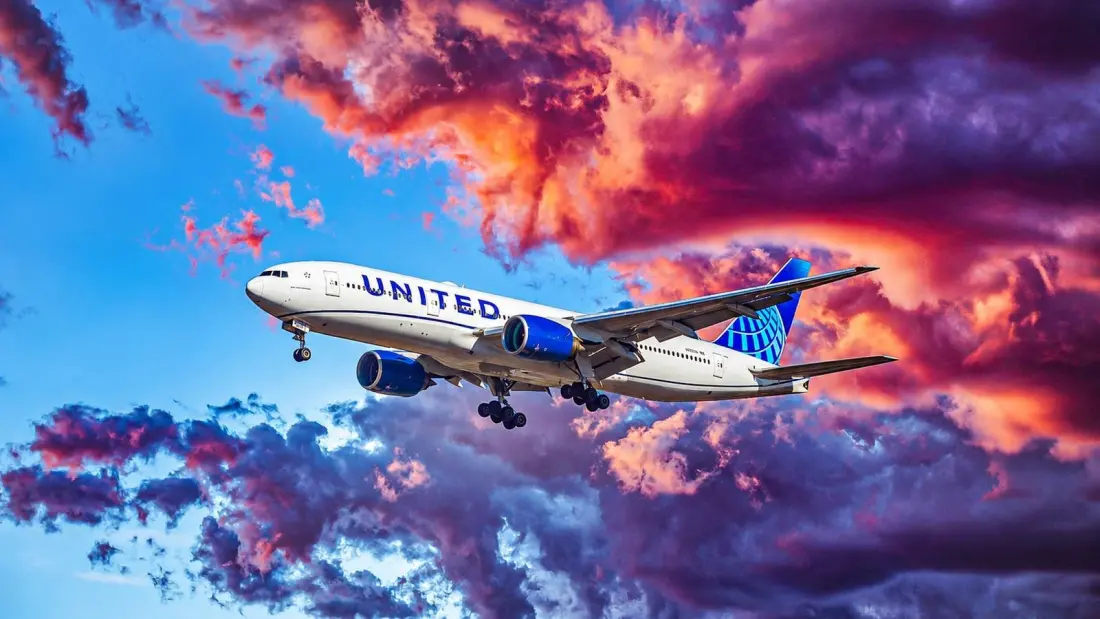
A United Airlines flight from Honolulu to Los Angeles hit severe turbulence during its descent this week, leaving four flight attendants injured and passengers badly shaken. Flight UA1157, a Boeing 777-200 with 190 passengers and 10 crew aboard, ran into trouble at roughly 27,000 feet. Flight-tracking data showed the aircraft losing around 3,675 feet in a single minute — though since it was already descending for landing, that figure alone doesn't prove an uncontrolled drop.
The human account was more visceral. Passengers described sudden shaking, a sensation of falling, and screaming in the cabin. One traveller told ABC 7 she was watching a movie when the aircraft abruptly dropped. Blood was visible on at least one crew member's head. Four flight attendants needed medical attention and one was taken to hospital. Notably, none of the passengers were hurt — and that's the pattern: FAA figures show crew suffered about 85% of serious turbulence injuries on US airlines between 2019 and 2024, precisely because they're up and moving while everyone else is buckled in. Air traffic control audio suggests one pilot suspected wake turbulence from another aircraft, and the FAA is investigating.
This wasn't an isolated scare. It joins a string of turbulence incidents on Hawaii routes: Hawaiian Airlines' Phoenix-to-Honolulu flight in December 2022 injured 24 people near Maui; a Hawaiian Honolulu-to-Sydney service hit rough air in June 2023, sending several passengers to hospital; and another United 777 was hit on approach to San Francisco's neighbour Kahului in June 2024. Research points to a broader trend, with studies estimating up to 30% more moderate-or-worse turbulence in the Hawaii and West Coast region, and severe clear-air turbulence up 55% over four decades — changes scientists tie to stronger wind shear from global warming.
For anyone flying to or from the islands, the takeaway is unglamorous but simple: keep your seatbelt fastened whenever you're seated, even when the sign is off and the cabin feels calm. Clear-air turbulence gives no warning. Crew injuries in these events also depend on communication — a 2024 Newark incident found an earlier turbulence report never reached the cabin — so airlines are pushing better forecasting and real-time pilot-to-crew reporting. Aircraft remain overwhelmingly safe in turbulence; it's unbuckled bodies that get hurt.