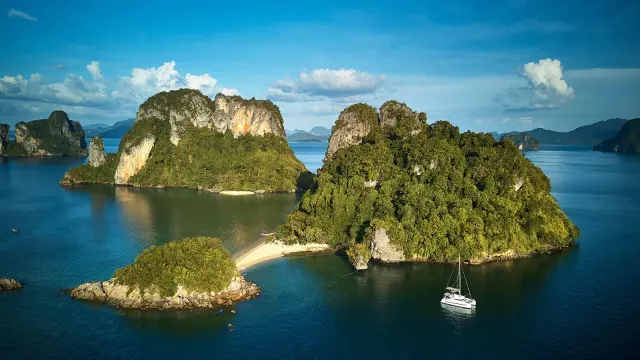
Tourism New Zealand has launched a campaign with a cheeky framing: forget the film-location angle, the country is now "Studio New Zealand", a giant natural wellness retreat for burned-out Americans. The push invites US visitors to swap studio classes and ice baths for geothermal pools, glacial lakes and native forest — with Māori hospitality, or manaakitanga, woven through the pitch.
The numbers behind the campaign are serious. The Global Wellness Institute estimates the world spent US$6.8 trillion on wellness products and experiences in 2024, heading towards roughly US$10 trillion a year by 2029, with wellness tourism itself approaching the US$1 trillion mark. Tourism New Zealand reckons the campaign will pull in an extra 7,100 arrivals and $47 million in visitor spending by June 2027.
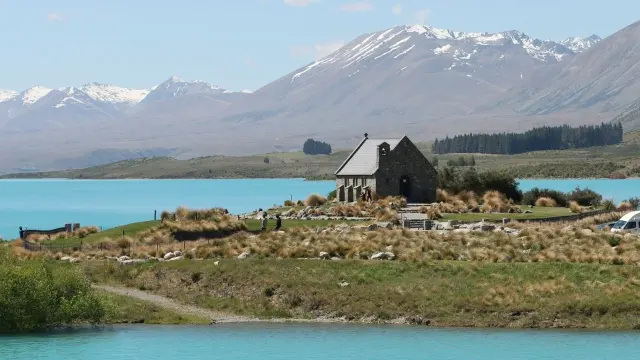
The marketing angle leans on what New Zealand has that a city spa doesn't. Rather than paying for a cold plunge, the argument goes, you can dip in a glacial lake; instead of a studio session, soak in a geothermal pool under the stars with birdsong for company. Marketing manager Brodie McLeish also points out the format suits American holiday patterns — a meaningful reset achievable inside a single week of limited US leave.
There's history here too. Wellness essentially built Rotorua's tourism industry: the Pink and White Terraces drew international visitors in the 1800s, and after their destruction in the 1886 Tarawera eruption, the Government's first tourism investment — the Rotorua Bath House — opened in 1908 on the back of claims about the healing mineral pools. The city's newest offering, Wai Ariki on the waterfront, is a luxury spa and geothermal bathing destination guided by the healing traditions of local iwi Ngāti Whakaue.
Beyond Rotorua, the campaign highlights the wairua (spirit) of Northland's kauri forests, cold-water plunges at Kaikōura, and the mountain lakes of Nelson plus the Waitākere Ranges near Auckland. To spread the word, Tourism New Zealand is flying American wellness influencer Liz Moody over for a seven-day reset aimed at her US audience.
Why it matters to travellers: the US is New Zealand's second-biggest tourism market, worth $2.18 billion in the year to June, and holiday arrivals have recovered to 110% of pre-Covid levels. If the campaign lands, expect more wellness-focused products, packages and itineraries aimed at short-stay American visitors — which could shape what's on offer for everyone else too. Tourism New Zealand hopes to extend the campaign beyond the US if it performs.
Anyone planning a New Zealand trip with wellbeing in mind would do well to build around Rotorua's geothermal spa scene, add a forest or coastal walk, and leave room for the slower, connection-focused experiences the Māori worldview brings to the table — the very thing this campaign is betting will set Aotearoa apart from every other wellness destination.