Kazakhstan keeps cropping up in travel news lately, and not for one reason but several. The biggest for holidaymakers: United Airlines is openly weighing flights to Kazakhstan and Uzbekistan. CEO Scott Kirby floated both countries as possible future destinations on a podcast, and the airline's senior network planning executive Patrick Quayle has already visited both this year to scope them out. No dates or routes yet, but a US nonstop would be a game-changer for a country currently reachable from America only with awkward connections through Europe, Turkey or the Gulf.
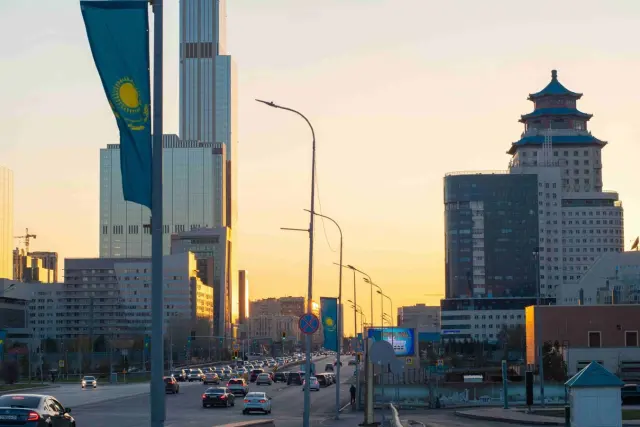
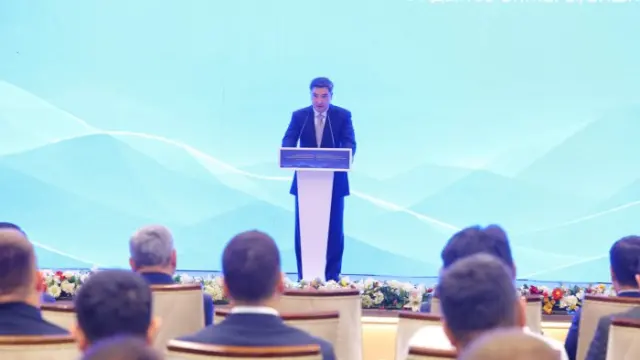
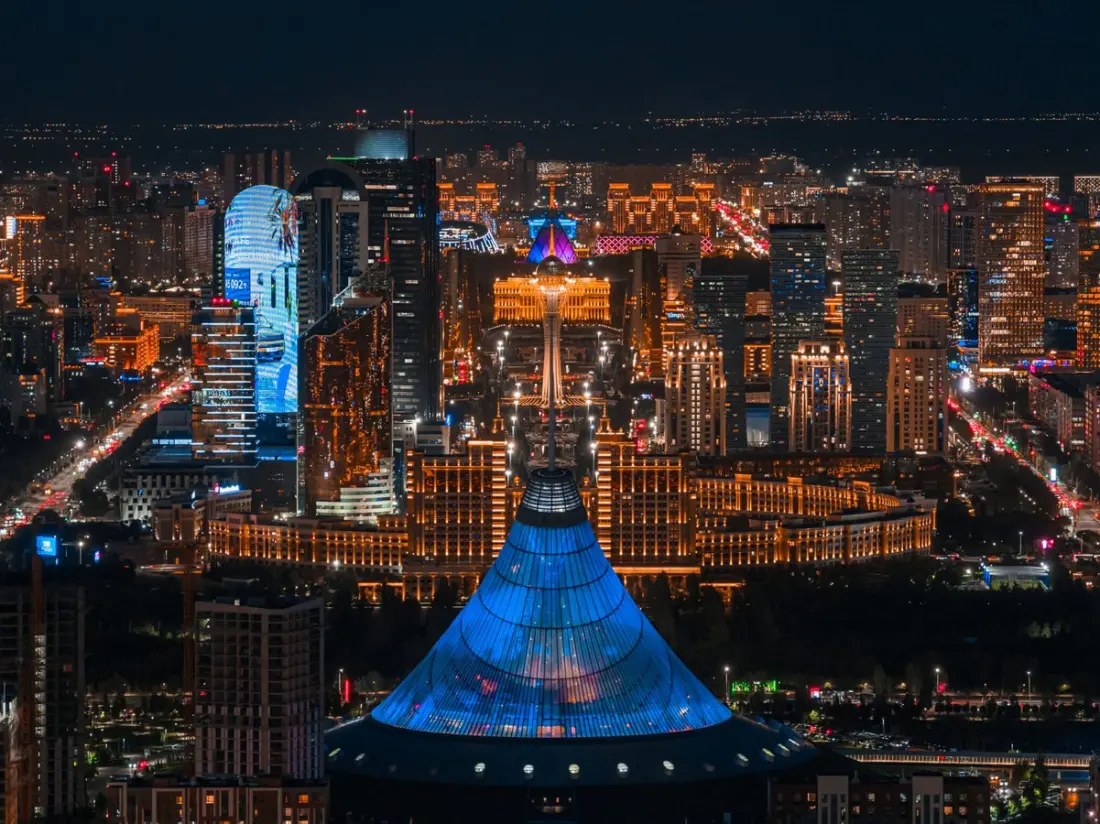
Meanwhile, the tech world is paying attention too. Nvidia CEO Jensen Huang appeared in Astana in late October for a fireside chat with digital development minister Zhaslan Madiyev, calling President Tokayev 'incredibly visionary' for making AI a national priority. Nvidia also invested an undisclosed sum in Higgsfield, an AI video-generation startup that became Kazakhstan's first unicorn in September 2025. It's a signal of how fast Astana is trying to rebrand itself as a Central Asian tech hub — and it makes the city an increasingly interesting stop on any business-or-pleasure itinerary.
The most charming story of the week, though, belongs to the apple. Euronews traced the fruit's origins to the wild Sievers apple, which grows in the Tian Shan mountains of southeastern Kazakhstan and Kyrgyzstan. Genetic research on more than 10,000 cultivated varieties found that 46% carry Sievers DNA — making it the great-grandparent of nearly every apple you've ever eaten. Almaty's name is traditionally linked to a place rich in apples, and the region still grows the Aport, a famously large and fragrant local variety, alongside orchards of wild trees. Apple-themed hiking, orchard visits and autumn harvest trips around Almaty are quietly becoming a niche attraction.
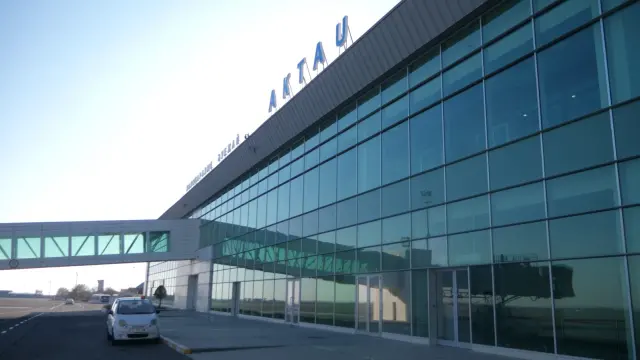
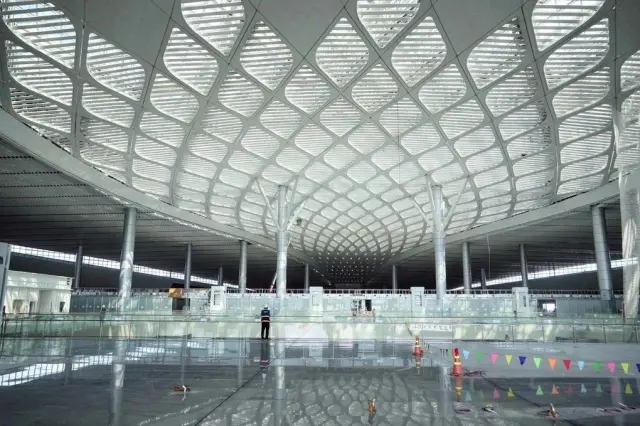
Behind all this sits a big spending plan. President Tokayev announced in his October state-of-the-nation address that 6.5 trillion tenge (about $14.3 billion) from the National Fund will go to infrastructure by the end of 2029, with 2027 declared a year of large-scale construction covering roads, airports, railway stations and public facilities. The goal includes fixing the country's electricity shortage. For travellers, that means expect better airports and rail experiences over the next few years — and some construction disruption in the short term.
Diplomatically, things are warming too. Donald Trump sent a Republic Day message affirming US support for Kazakhstan's sovereignty and said he looks forward to meeting Tokayev at the G20 summit in December in Doral, Florida.
Why should a traveller care? Kazakhstan is one of the few places where you can pair futuristic capital cities with genuine Silk Road history, dramatic steppe and mountain scenery — and with US airline interest, Nvidia money and billions in infrastructure incoming, the window to see it before the crowds is now. The apple forests alone make a good excuse.