Ho Chi Minh City is quietly turning itself into one of Southeast Asia's more tech-forward heritage destinations. Under a national resolution issued this year, Vietnam aims to have every heritage asset rated at national or special-national level digitised by 2026, with a wider programme running to 2030 to get all heritage sites online. The thinking has shifted too: officials now describe heritage as a resource for national development, not just something to keep in a glass case.
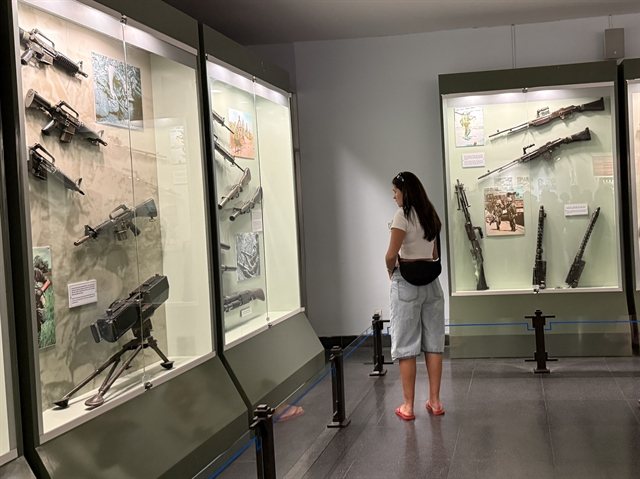
What does that look like on the ground? Start with the War Remnants Museum, one of the city's most-visited sights. It now offers 3D holograms, scanned artefacts, virtual reality and personalised audio guides, plus automated ticketing. Visitors can keep exploring afterwards through digital archives, VR360 exhibitions and online feedback channels. A Malaysian tourist quoted by the museum noted how much easier the audio guides made understanding the war's history.
The Southern Women's Museum, a pilot for the cultural sector's digital push, has digitised more than 1,100 artefacts - over 100 of them already on display - and launched a 360-degree virtual tour, so you can browse the collection from your hotel room or your sofa back home. A planned expansion will bring the rest of the collection into view.
Performance traditions are getting the same treatment. The city's Hát Bội Art Theatre has digitised classical opera plays, musical scores, costumes and makeup masks, and built interactive virtual spaces where users can paint traditional masks, play instruments and design costumes online. Hát bội, once mostly performed at village temples, is now finding audiences on screens. Experts are also pushing for the digital preservation of cải lương (reformed theatre) and đờn ca tài tử (southern folk music), along with historic buildings at risk of deterioration.
There's a caveat worth knowing. The city has more than 300 listed heritage sites, but many are little known or hard to reach - which is exactly the problem digitalisation is meant to solve. Local historians point out that Vietnam still trails international standards, where leading museums scan entire collections in 3D and use AI for research and visitor experiences. They also stress that tech alone won't hold visitors: sites need good storytelling and engaging programming too.
For travellers, this is genuinely useful. It means you can preview collections and war-history exhibits online before deciding what to visit in person, and at the museums themselves you'll find QR codes, holograms and VR layered onto the usual displays - a livelier experience that younger visitors in particular seem to appreciate. It also signals which cultural experiences the city is investing in, from southern opera to overlooked historic buildings that are worth seeking out while they're still quiet.