Tanzania's Ngorongoro Conservation Area has picked up another trophy. The authority that manages it won the Excellence in Sustainable Tourism and Conservation Management Award at the Africa Business Forum & Awards 2026, held recently in Accra, Ghana.
The prize recognises what makes Ngorongoro unusual in the first place: a protected area where conservation and community share the same ground. It was established in 1959 as a multiple-use landscape, meaning wildlife lives alongside semi-nomadic Maasai pastoralists who still keep livestock there. The award specifically highlights the balance between protecting biodiversity and running tourism that delivers long-term benefits to local people.
Conservation Commissioner Abdul-Razak Badru framed the honour as a reminder of the authority's duty to protect the area's natural and cultural heritage while encouraging responsible travel rather than volume tourism.
It is not the first nod. Ngorongoro was also named Africa's Leading Tourist Attraction at the World Travel Awards in both 2023 and 2025, so the region is quietly building one of the stronger award records on the continent.
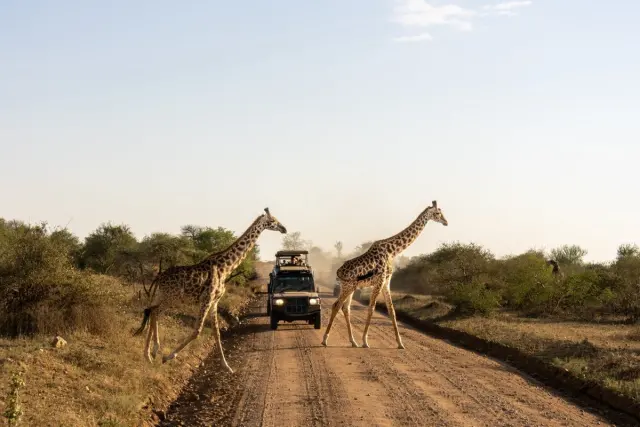
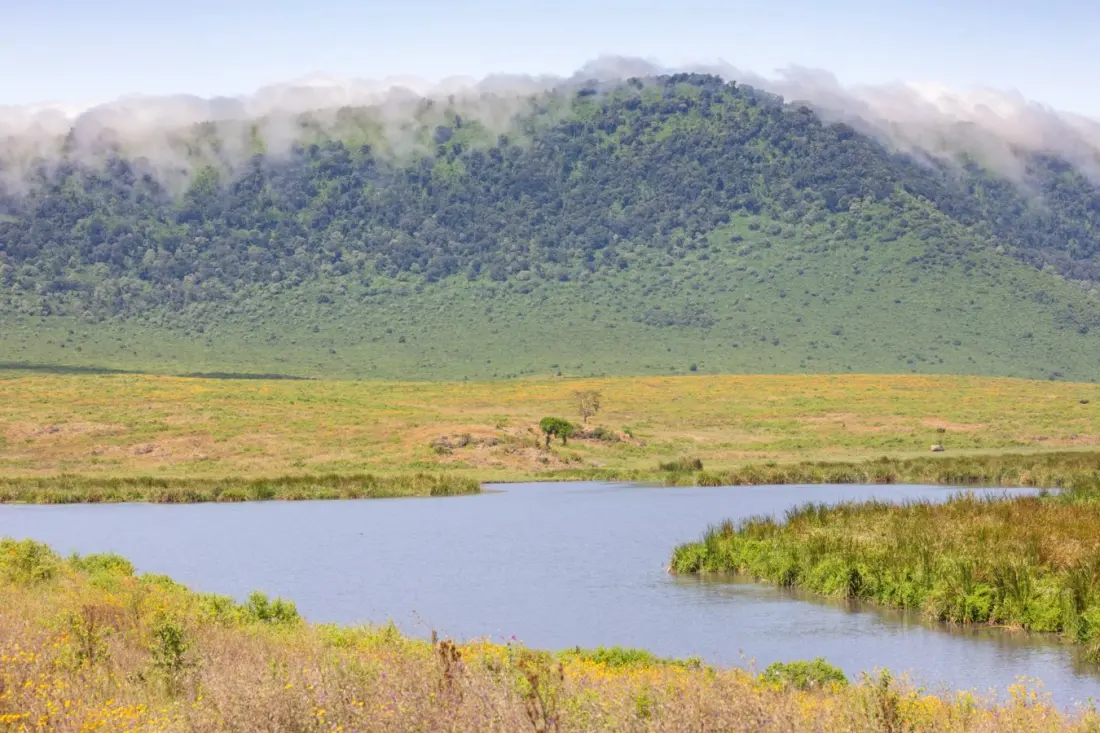
Why the fuss? The conservation area centres on the Ngorongoro Crater, the world's largest intact volcanic caldera and one of the most reliable places in East Africa to see black rhino, lion, elephant and large herds of buffalo in a single day's game drive. Beyond the crater rim, the wider area takes in highland plains, grasslands, woodlands and forest, and forms part of the seasonal routes followed by wildebeest, zebra and gazelle moving across northern Tanzania on the great migration.
There is a deep-time layer too. The area's archaeological sites, including the famous Olduvai Gorge within its boundaries, have produced some of the most important evidence of human evolution anywhere on Earth. Few destinations let you combine world-class wildlife, volcanic scenery and the cradle of humankind in one itinerary.
For travellers, the award is a signal that choosing Ngorongoro supports a model of tourism where park fees and visitor spending feed back into conservation and the communities who live there. That matters as pressure grows on East Africa's migratory corridors and on the Maasai's land rights. Going with operators and lodges that work within the conservation area's rules is a straightforward way to travel a bit more responsibly while seeing one of Africa's signature landscapes.