Oman looks, on paper, like a country weathering a difficult year just fine. Official figures show about 2.5 million visitors arrived between January and August, a dip of less than 1% from the same stretch last year. But step inside its hotels and the picture changes fast.
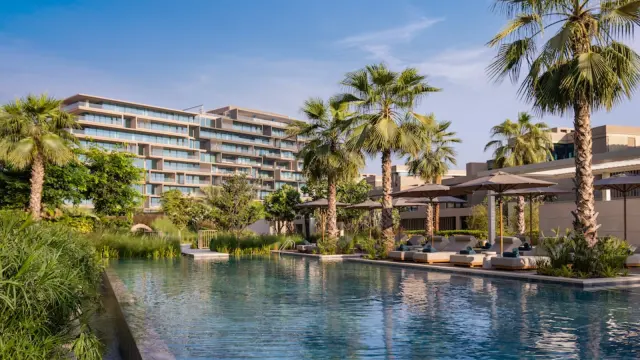
According to the country's National Centre for Statistics and Information, guest numbers at three- to five-star hotels fell 10.7% over the first eight months of the year, down to 1.35 million. Hotel revenue took a similar knock, dropping 11% to 156.5 million Omani rials — roughly $407 million. September offered no sign of a rebound: occupancy slipped to 47.3% from 53.7% a year earlier, a fall of 6.4 percentage points, based on CoStar data.
The gap between steady arrivals and empty rooms comes down to who is actually visiting. Oman has long drawn a strong mix of Gulf neighbours and expatriate residents from nearby Dubai and Abu Dhabi, and those regional trips have continued. What has fallen away is the longer-haul, higher-spending crowd — the travellers who book multi-night hotel stays. The U.S.-Iran conflict has made many Western visitors hesitant about the wider region, and they're the guests hotels depend on to fill rooms during peak season.
The numbers matter beyond the boardroom. Against its Vision 2040 goal of 11 million annual visitors, Oman welcomed close to 4 million in 2025 — a long road ahead even before this year's disruption. In the short term, though, travellers who do make the trip are walking into a buyer's market. Occupancy under 50% means hotels in Muscat, Nizwa and Salalah are competing hard for the guests who show up, often with softer rates and upgrade-friendly front desks.
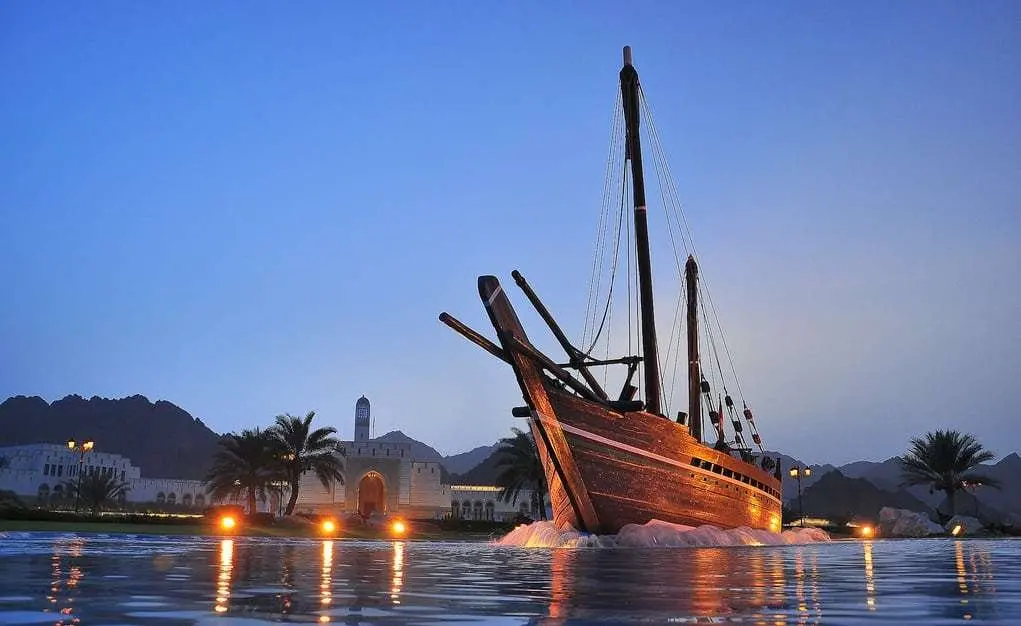
That's a genuine opportunity. Oman offers what much of the Gulf doesn't: dramatic fjord-like inlets around Musandam, wadis and mountain villages in Jebel Akhdar, empty beaches near Salalah, and a capital that still feels unhurried compared with Dubai. For travellers comfortable visiting the Arabian Peninsula — the country itself remains calm and welcoming — this is one of the better-value moments in recent years to see it, with fewer crowds at Sultan Qaboos Grand Mosque and more negotiating room on desert camps and diving trips.
If the regional standoff eases, expect rates and occupancy to climb back. Until then, the hotels are waiting — and flexible travellers are the ones who benefit.
Story first reported by Skift.