On the equatorial islands of São Tomé and Príncipe, the word 'roça' carries a lot of weight. These former Portuguese colonial plantations once powered a cacao empire, and today they're at the heart of an argument about what tourism should look like in one of Africa's least-visited countries.
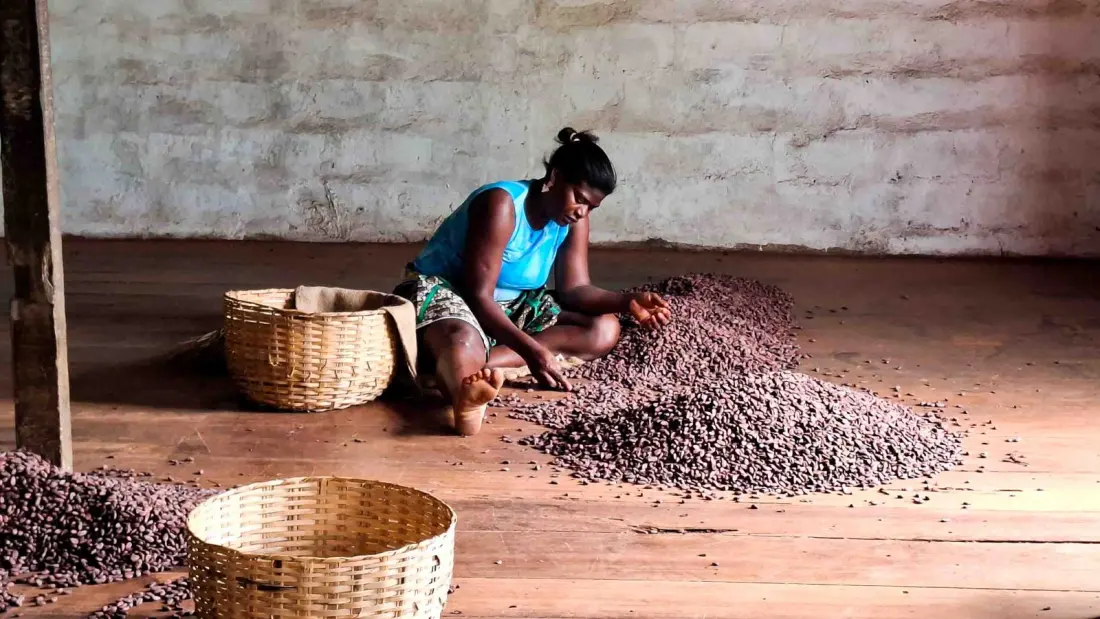
Start with the good news: some roças are already being revived, and the results are delicious. In the capital, São Tomé city, the Diogo Vaz boutique café pours coffee alongside 'tree-to-bar' artisan chocolate and miniature cakes — all made from beans grown at Roça Diogo Vaz itself. The estate dates to 1880, but it got a second act in 2014 when it was renovated and certified organic. A local team now tends the historic cacao trees between harvests and turns the beans into chocolate on site. For travellers, it's a rare chance to taste a product whose entire supply chain lives within a few kilometres of the beach where you're sipping it.
Príncipe, the smaller sister island, has seen the most visible restoration work, driven by HBD, the initiative behind the island's upmarket eco-tourism push. Its restored roças show what these compounds can become when money and intent align.
Across the channel on São Tomé island, though, the picture is more complicated. Many roças remain in ruins — and not empty ruins. Families live in the crumbling former plantation buildings, a legacy of how laborers were settled on the estates after independence. That makes any question of restoration a question about people's homes, not just heritage architecture.
That tension is exactly what locals like Quinzinho, a guide from the piece's reporting, are thinking out loud about. His wish for the neglected roças isn't a hotel conversion or a photo-op attraction. He wants them restored as places São Toméans themselves can visit — to understand and honour what happened there, and to pass that history to younger generations. Whether more estates get restored, and whether islanders genuinely share in whatever comes next, is still an open question.
Why should this be on your radar? São Tomé and Príncipe offer a genuinely off-the-beaten-path mix: jungle-clad volcanic peaks, empty beaches, and a cacao culture you can taste straight from the source. And how you travel here matters more than in most destinations. Choosing community-run guides, buying chocolate from estates like Diogo Vaz that employ local teams, and asking questions about who benefits from your stay all nudge this debate in the right direction. The islands are small enough that thoughtful visitors genuinely make a difference.