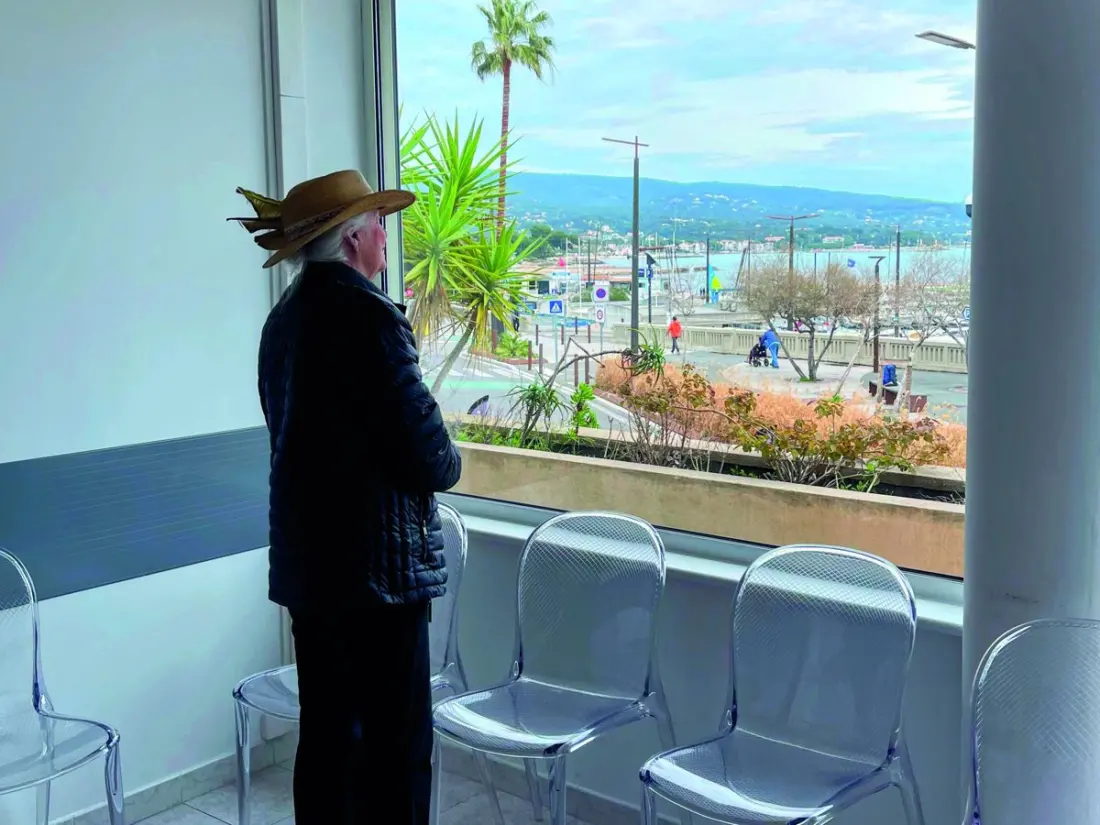
A French-language column from writer Kristin Espinasse tells a story anyone fumbling through a second language will recognise. Taking her American mother to a doctor's appointment in France, Espinasse watched the family GP treat her elderly mom with genuine care — patiently working through a translator, asking thoughtful questions, never once seeming rushed. The surgery itself was distinctly French: an office inside a residential building, across from a surf shop and about a block from the beach, reached via stairs shared with a dog-walking neighbour. The waiting room felt closer to a friend's living room than a clinic.
Moved by the experience, Espinasse wanted to thank the doctor warmly as they left. Her French picked a fight with her. She started well with "Vous êtes le portrait de la patience" — you are the picture of patience. Then she went off-script: "Vous êtes un amour," repeated twice for good measure. The trouble is that "un amour," literally "a love," is affectionate language best kept for partners, children and close friends. Telling your doctor he's "a sweetheart" crosses a line in French, and the warmth drained out of the room. The doctor went noticeably reserved, wished them a good day, and the appointment ended with Espinasse walking home, kicking herself while her oblivious, flower-picking mother enjoyed the sunshine.
The column closes with the perfect French word for it: "l'esprit d'escalier" — literally "staircase wit," the ideal reply that only occurs to you once you've left. It's a fitting entry in her long-running Le Dernier Mot series, which mines small everyday misunderstandings for what they reveal about the language and the culture behind it.
For travellers, the takeaways are practical as well as comic. First, "vous êtes un amour" is reserved for people you're close to — if you want to thank a professional politely, stick to "merci beaucoup" or "vous avez été très gentil." Second, the story offers a reassuring glimpse of French healthcare from the inside: doctors with individual practices in residential buildings, unhurried appointments, and genuine patience with patients who don't share a language. And third, it's a gentle reminder that a botched phrase rarely ruins anything. The doctor was kind; the mother picked wildflowers. Language learners muddle through, and the French — often caricatured as impatient with errors — largely forgive them.
Who is this for? Anyone planning a stay in France, language learners who want real-life vocabulary rather than textbook phrases, and expats navigating a foreign healthcare system with ageing parents in tow. The glossary alone — "toubib" (informal for "doc"), "salle d'attente" (waiting room) — is worth a skim before a trip.