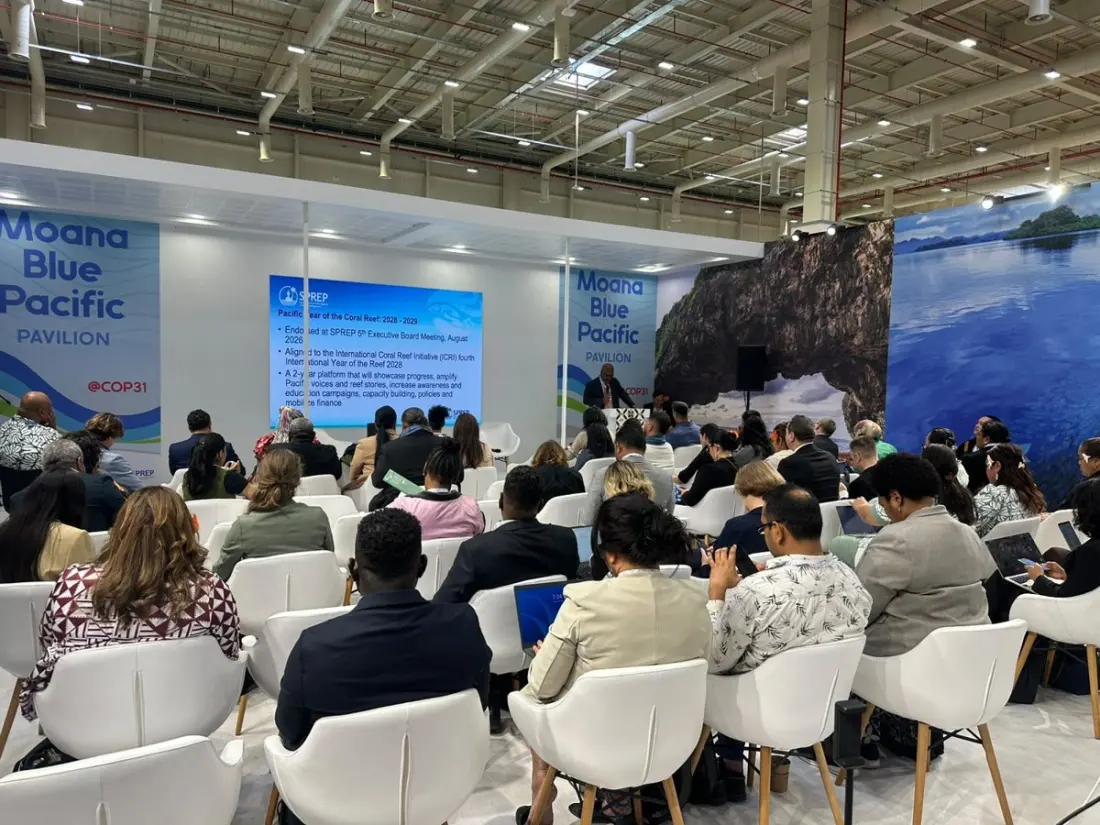
Tuvalu, Kiribati and Fiji sit at the sharp end of a crisis they barely contributed to, according to a new Oxfam in the Pacific report launched at COP31 in Antalya. 'An Unequal Tide: Disaster Divide in the Pacific' puts numbers to what islanders have been saying for years: Pacific island countries generate roughly 0.03% of global greenhouse gas emissions, yet 71% of the region's population — about 1.9 million people — live with exposure to at least one major climate hazard.
The statistics are stark. An estimated 58% of Pacific islanders face cyclone risk, five times the rate in high-income countries. Natural hazards cost Pacific Small Island Developing States around US$1.08 billion a year, roughly five per cent of their combined GDP. And the pressure is accelerating: the number of people hit by climate disasters in the Pacific has jumped 700% over the past decade.
Oxfam's central argument is that income decides who survives a disaster intact. Wealthier households can build stronger homes, buy insurance and relocate on their own terms. In Tuvalu, Inge Koepke of the Lofeagai Women's Association has been repairing roofs and gutters for rainwater harvesting as droughts stretch longer and saltwater fouls traditional sources — yet she notes that leaving the island, if it comes to that, offers none of the security available to families with money. 'It's good for you because you have plan B, but not for me,' she says.
Fiji's village of Vunidogoloa shows what forced adaptation looks like. After years of erosion, flooding and saltwater intrusion, the entire community relocated to higher ground in 2014 — one of the Pacific's first planned climate relocations. Residents described moving day as feeling like a funeral. Land in Fiji is tied to ancestry and identity through the concept of vanua, so leaving meant losing far more than houses. In Kiribati, climate campaigner Maximillian worries that rising seas salting groundwater wells will eventually sever the next generation's connection to land and ocean entirely.
The report also scrutinises who profits and who pays. Oxfam found 217 companies involved in activities contributing to or capitalising on climate disasters earned an average of US$1.8 billion in 2025, while more than 55,000 private jet flights from East Asia and the Pacific produced nearly 400,000 tonnes of CO2. It calls for climate finance delivered as grants rather than loans — warning that loan-funded reconstruction is pushing already constrained Pacific governments deeper into debt — and for more funding to reach locally led projects instead of international contractors.
For travellers, this is context that should shape any Pacific trip. Low-lying nations like Tuvalu, Kiribati and the Marshall Islands face genuine questions about long-term habitability, and the tourism dollars that arrive there matter more than ever. Choosing locally owned accommodation and operators, respecting water shortages, and understanding why communities talk about migration are part of visiting these places responsibly rather than extracting a postcard from them.
Islands Business