A hiker collapses on a steep descent in the Hajar Mountains, toes blistered and knees raw, 6,345 feet up beside Jebel Jais in the UAE. A local man walking the other way stops, tapes her toes, bandages her knees, then carries her pack for miles. No name exchanged, no payment asked. Hikers call this trail magic — the Appalachian Trail Conservancy's catch-all term for finding exactly what you need when you least expect it. The concept took hold on the Appalachian Trail in the early 1980s, but it clearly travels well: here are five moments of it from around the world.
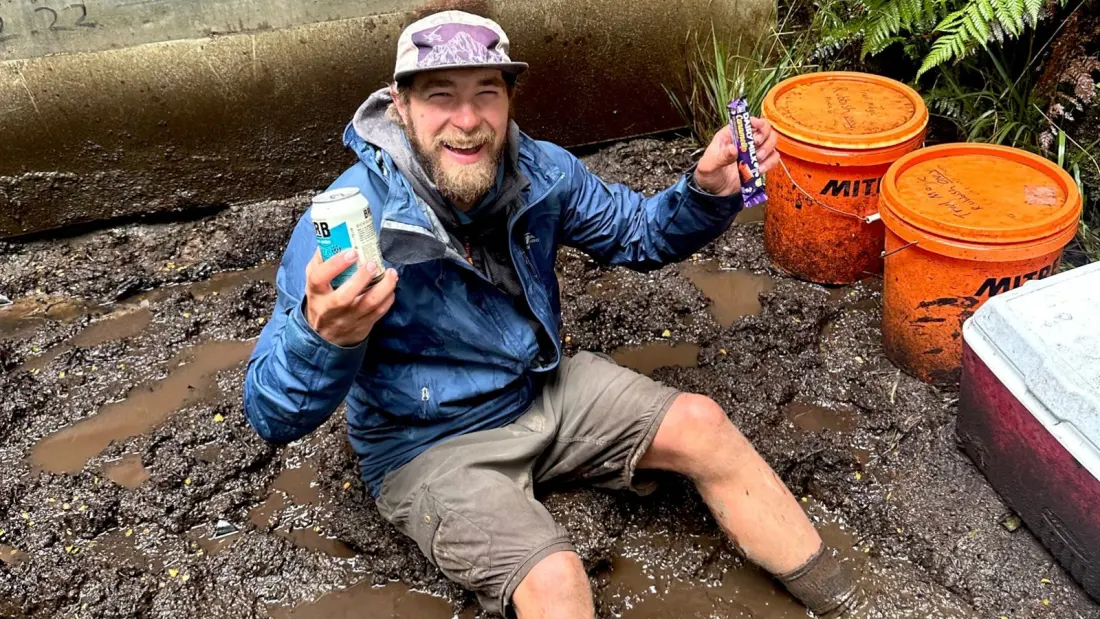
On New Zealand's 1,881-mile Te Araroa Trail, guide Matt Jordan limped through the bogs of Longwood Forest in Fiordland in 2023 to reach Turnbull's Hut. A local man who services the remote hut roughly twice a month — hauling out trash and maintaining it — had left coolers stocked with beer, soda and candy bars for whoever came through. Jordan celebrated with a cold drink, immediately slipped in the mud, and laughed for the first time in days.
Kindness doesn't always come from fellow hikers. In Uttarakhand, India, trekking guide Meeta Singh Rao's group was caught in heavy rain in October 2022 with gear mules lost and camp far off, when a Himalayan shepherd took them into his channi, a rough hut of stone, mud and plastic sheeting. When the roof leaked, he went out into the downpour to fix it — then refused any payment, calling them his guests.
On Spain's 62-mile Camino Inglés in Galicia, Kaitlyn Bussell, wet and alone on a rainy autumn day in 2023, was told her café con leche was free — along with water, prayer cards and a small Camino keepsake. In Japan, on the 88-temple Shikoku pilgrimage, Lauren Roerick and her brother were invited into a matcha ceremony where the host phoned a friend and put her on speakerphone to translate the whole ritual into English. And near Matterhorn Base Camp, EF Adventures tour director Libera Pagano sat with an 86-year-old woman whose legs were shaking from altitude — it turned out the hike was her birthday present to herself, and without the company she'd have turned back short of the summit.
Why should a traveller care? Because these stories are a reminder that the best thing you meet on a trail is often a person, not a view. And the advice buried in them is genuinely useful: long-distance routes worldwide — from New Zealand's hut network to Galicia's pilgrim bars and the shepherd shelters of the Himalayas — run on informal goodwill that locals extend to strangers. Carry a little of it yourself. Check your toes before descents, sit with the struggling hiker behind the rock, and if you ever maintain a backcountry hut, maybe leave a cooler of cold drinks. Small gestures cost little and can decide whether someone finishes their day — or their once-in-a-lifetime trip.