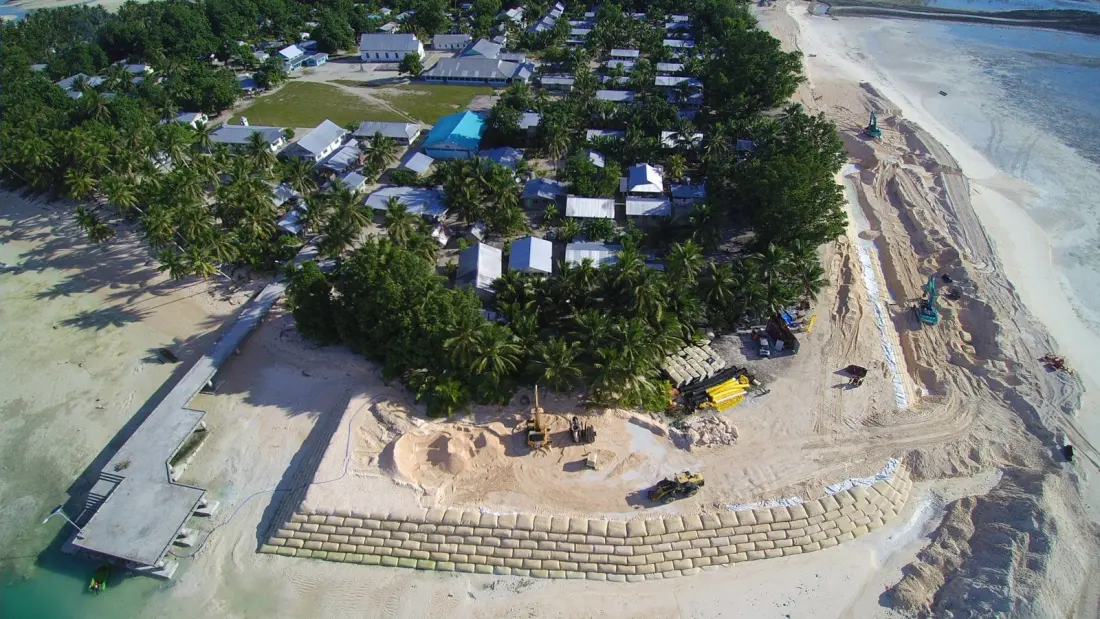
When the costs of climate change are counted in seawalls and damaged buildings, a lot goes missing — including what happens inside people's bodies. That's the argument public health doctor Remco van de Pas took to the Pre-COP talks in Fiji, where he worked alongside Public Services International, the Fiji Nursing Association and the Pacific Council for Education. His message for negotiators heading into COP31: put people, not just projects, at the centre of the transition.
Van de Pas, who leads research on climate justice and health at the United Nations University's International Institute for Global Health in Kuala Lumpur, points to impacts that rarely make it into climate finance spreadsheets. Infectious diseases like malaria, water- and food-borne illness, malnutrition driven by food insecurity, and extreme heat all track back to a warming climate. The WHO estimates climate change will cause around 250,000 additional deaths a year between 2030 and 2050. Heat alone affects farm workers and can shorten pregnancies, raising the risk of premature birth.
Then there's the toll that never shows up in a damage report. Repeated disasters and displacement create what van de Pas calls a social, communal trauma — not something an individual counselling session can fix. He argues for collective mourning and community-level coping alongside clinical support, and for climate policy to fund social care, community nurses, social workers, art and culture, not just renewable energy infrastructure.
Money is the sticking point. Climate finance currently rewards technical innovation but leaves the care economy — much of it unpaid, and about 70 per cent of paid care jobs done by women — ineligible for support. Van de Pas argues investing in community care could yield two to three times the economic return of inaction. He also flags a health-workforce issue familiar across the Pacific: publicly trained professionals leaving Fiji for better pay abroad amounts to a subsidy from Fijian taxpayers to the rest of the world. His fix: portable pensions and social-protection entitlements, plus returning part of the investment to countries of origin.
For COP31, he wants health and education services included in just-transition schemes and made eligible for climate-finance grants, with health costs counted in loss-and-damage negotiations — including disability and years lived in illness. And he has a tip for anyone who wants to understand the crisis properly: don't look for health workers on conference stages. Go to the villages.
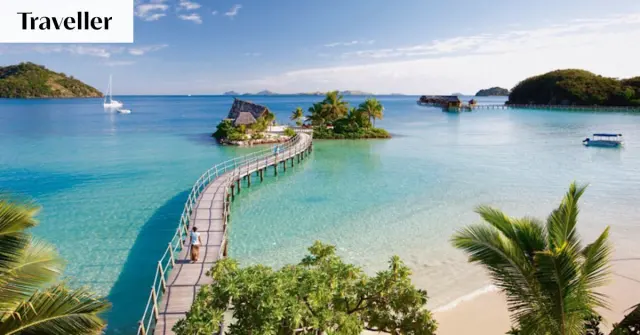
For travellers who love the Pacific, this matters. The region's resilience — and its future as a place worth visiting — depends on whether climate money reaches the clinics, carers and communities holding it together.